If you’re thinking about selling your Park Hill home, you’ve probably asked the same question most owners do: Should I list now or wait for a better moment? It’s a fair question, especially in a neighborhood where homes can look and perform very differently from one block to the next. The good news is that timing still matters, but not in the simple, one-size-fits-all way many people assume. Here’s how to think about timing in Park Hill so you can make a smarter, more confident move.
Why timing matters in Park Hill
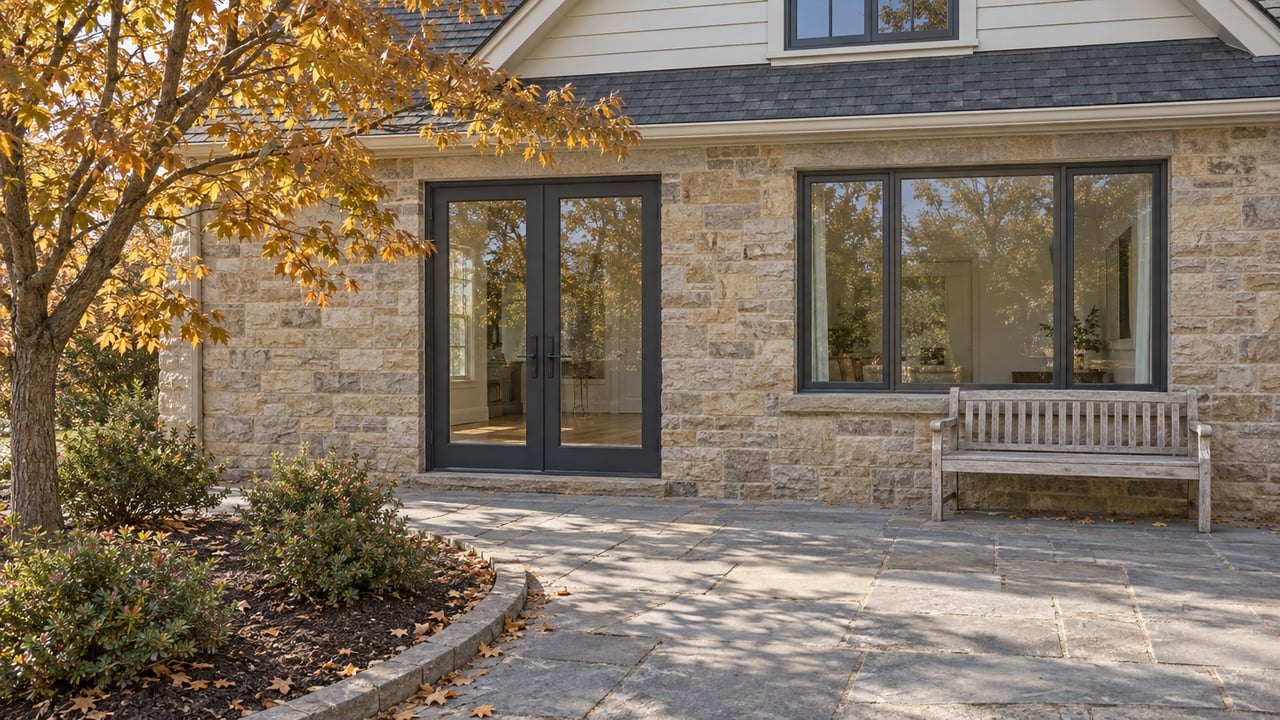
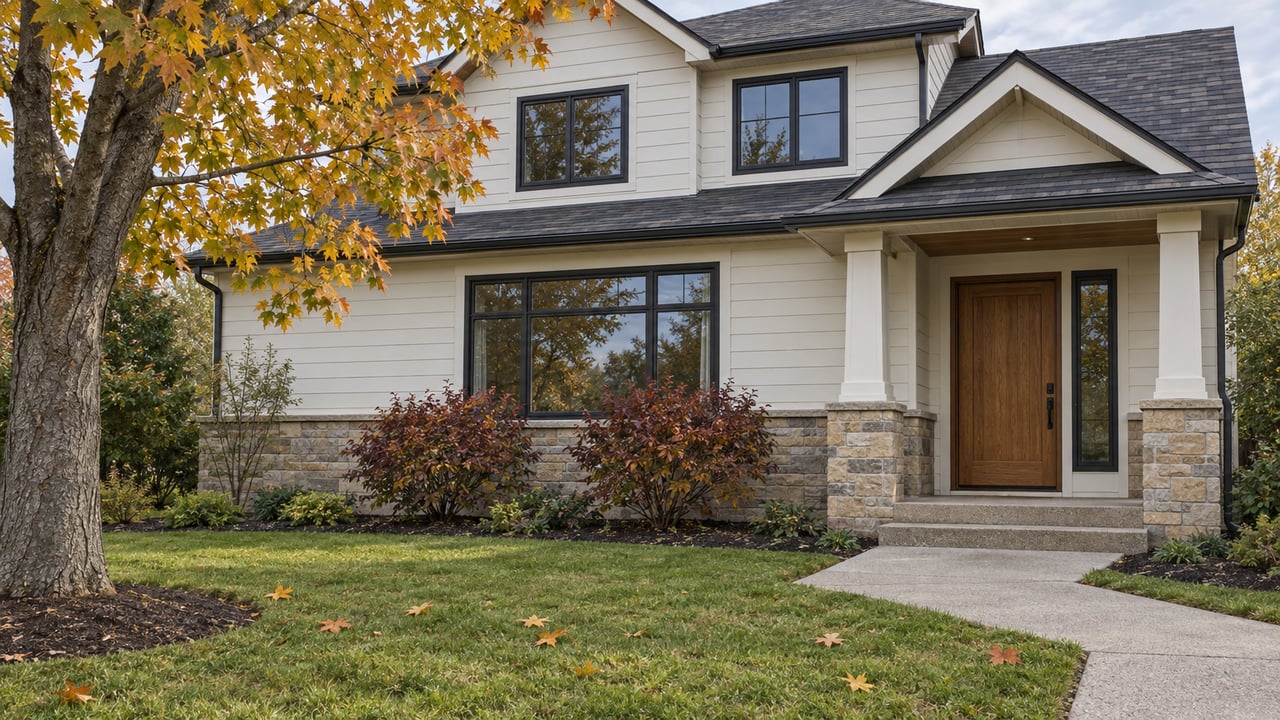
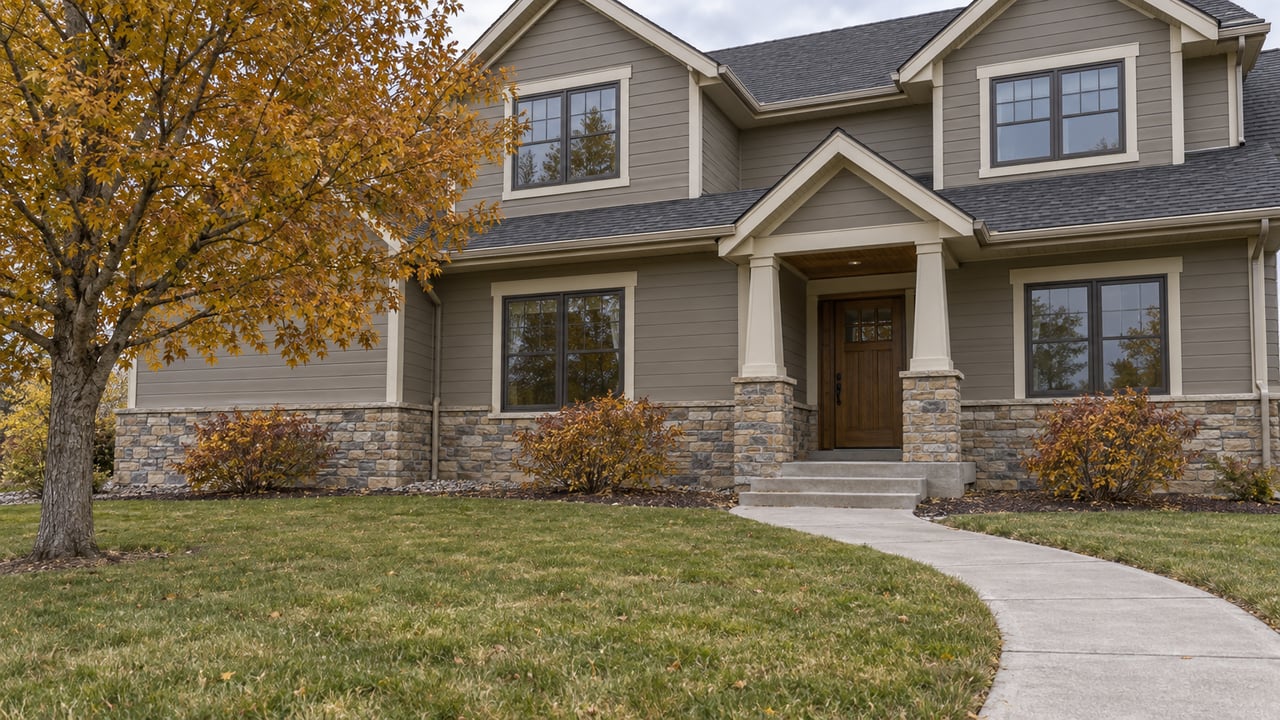
Park Hill is not a single-price, single-style market. The neighborhood includes a wide range of homes, from smaller alley houses to large historic residences, and many were built between 1893 and 1941. You’ll also see a broad mix of architectural styles, including bungalows, Denver Squares, Tudor Revival, Colonial Revival, and more.
That matters because buyers do not react the same way to every Park Hill home. A well-updated bungalow at one price point may attract quick attention, while a larger classic home with different upkeep needs may take longer to find the right buyer. In other words, your best timing depends on your home’s condition, style, lot, and price band.
Park Hill demand is active, but measured
The current data points to a healthy market, not an overheated one. In March 2026, Park Hill had a median sale price of $705,000, median days on market of 23, and a 100.0% sale-to-list ratio. About 29.3% of homes sold above list price.
At the same time, current listing data shows a more balanced picture. Park Hill had 22 active listings with a median list price of $645,000 and a typical market time near 40 days. In nearby ZIP code 80207, April 2026 data showed 103 homes for sale, a median listing price of $609,500, median days on market of 33, and a 100% sales-to-list ratio.
The takeaway is simple: buyers are still engaged, and near-list sales are common, but this is not the kind of market where weak pricing or poor presentation gets ignored. Timing matters because it works together with pricing and preparation, not because the calendar alone creates a great result.
Spring still helps, but it is not magic
If you’ve heard that spring is always the best time to sell, there is some truth there. Denver’s seasonal pattern has become flatter than it used to be, but spring still tends to bring meaningful buyer activity. Realtor.com’s 2026 timing report found that the Denver-Aurora-Centennial metro’s strongest week to sell was earlier than the national pattern, landing on March 8, 2026.
That week brought 35.2% more views per property than an average week, 44.2% fewer price reductions, 12 fewer days on market, and 30.0% fewer active listings. Those are meaningful advantages. They show why local timing matters more than broad national advice.
Still, spring is not a guarantee of top dollar. DMAR reported that Denver’s median close price in April 2026 was $605,000, nearly identical to April 2025 and April 2024. That tells you the market is moving, but not in dramatic seasonal spikes.
More spring inventory can cut both ways
One reason timing matters is competition. DMAR reported that the usual March-to-April increase in active listings is 11.84%, but in 2026 that jump was larger at 17.19%. That means more sellers came to market faster than normal.
For you, that can create both opportunity and pressure. More inventory means more buyers are out looking during spring, but it also means your home has to stand out against a larger group of competing listings. If your home is fully ready, listing earlier in the cycle may help you capture demand before choices expand further.
Readiness often matters more than the perfect week
This is the part many sellers overlook. A strong market can still punish a home that is overpriced, underprepared, or not matched to the right comparable sales. In Park Hill especially, where home types vary so much, the wrong strategy can cost time and money.
Recent sales examples show that clearly. One home sold 4% over list in 22 days. Another sold 2% under list in 69 days. A third took 304 days and closed 4% under list. Those outcomes are too different to blame on season alone.
If your home is show-ready and priced well for its segment, listing sooner may make sense because buyer demand is still present and near-list sales remain common. If the home needs repairs, paint, staging, or a sharper pricing strategy, taking a little more time may be the better move.
How to know if now is the right time
Instead of asking only whether it’s spring or summer, ask whether your home is ready to compete in its specific slice of Park Hill. That means looking at the indicators that actually shape outcomes.
Watch days on market
Days on market can tell you how quickly buyers are acting in your segment. Park Hill sales data and nearby 80207 data suggest homes are still moving at a reasonable pace, but not every property moves quickly. If similar homes to yours are selling fast, that can be a sign your timing is favorable.
Check sale-to-list ratios
Sale-to-list ratio helps you understand pricing power. Park Hill and 80207 both show ratios around 100%, which suggests many sellers are landing close to asking when strategy is right. That does not mean you can name any price and expect the market to follow.
Track your price band
This is especially important in Park Hill. A smaller historic bungalow, an updated family home, and a larger classic property may all attract different buyer pools. Looking only at broad neighborhood averages can lead you off course if your home sits in a very different segment.
Be honest about condition
Preparation affects timing. If buyers in your price band expect polished presentation, deferred maintenance or dated finishes can limit your leverage. In a market with 3.6 months of inventory across Metro Denver in April 2026, buyers usually have enough choice to compare carefully.
Should you wait for less inventory?
Some sellers think it is better to wait until fewer homes are on the market. That can help in certain cases, but it should not be your only reason to delay. Lower competition is useful only if your home is truly ready and priced correctly when you launch.
Waiting can also come with tradeoffs. If you delay while your home still needs work, the extra prep time may pay off. But if your home is already in strong condition and buyer demand is active, waiting for a slightly quieter window may not produce a better result than entering the market with a polished, data-backed strategy now.
A smart Park Hill selling strategy
For most Park Hill sellers, the best approach is not chasing a mythical perfect week. It is matching your list date to your level of readiness and to the behavior of buyers in your micro-market.
A strong plan usually includes:
- Reviewing the most relevant comparable sales for your home’s size, style, condition, and location
- Studying current inventory in your price range, not just the whole neighborhood
- Preparing the home so it shows cleanly and consistently from day one
- Setting a price that reflects today’s demand, not last year’s peak hopes
- Launching when your home can compete well, not simply when the calendar says spring
That kind of strategy is especially valuable in Park Hill because the neighborhood is so varied. Broad averages are helpful for context, but the homes that perform best are usually the ones matched to the right comps, presented well, and brought to market with clear intent.
The bottom line on timing
So, when should you sell your Park Hill home? Usually, the answer is: when your home is ready and the data in your price band supports your plan. Spring can still offer an edge, and early spring may be especially helpful in the Denver metro, but timing alone will not overcome weak prep or loose pricing.
If you want the best chance at a strong result, focus on the three things that matter most: local demand, competing inventory, and your home’s readiness. When those line up, timing starts working in your favor.
If you’re weighing your options and want a clearer read on your home’s position in today’s Park Hill market, Stephen LaPorta can help you build a pricing and launch strategy based on the numbers, your property, and your goals.
FAQs
When is the best time to sell a home in Park Hill?
- In today’s market, early spring can offer an advantage, but the best time to sell your Park Hill home is usually when it is fully prepared and priced for its specific market segment.
Does spring always bring the highest price for a Park Hill home?
- Not necessarily. Denver seasonality is flatter than it used to be, so a strong outcome depends just as much on pricing, presentation, and competition as it does on the season.
How fast are homes selling in Park Hill right now?
- Recent Park Hill data showed median days on market around 23 for sold homes, while active listing patterns pointed closer to 40 days, which suggests demand is healthy but outcomes still vary by property.
Should I wait for fewer listings before selling my Park Hill house?
- Maybe, but only if waiting also helps you improve the home or sharpen your strategy. Less competition helps most when your listing is ready to stand out.
What should Park Hill sellers watch before listing?
- Focus on days on market, sale-to-list ratios, inventory in your price band, and how comparable homes with similar condition and style are performing.