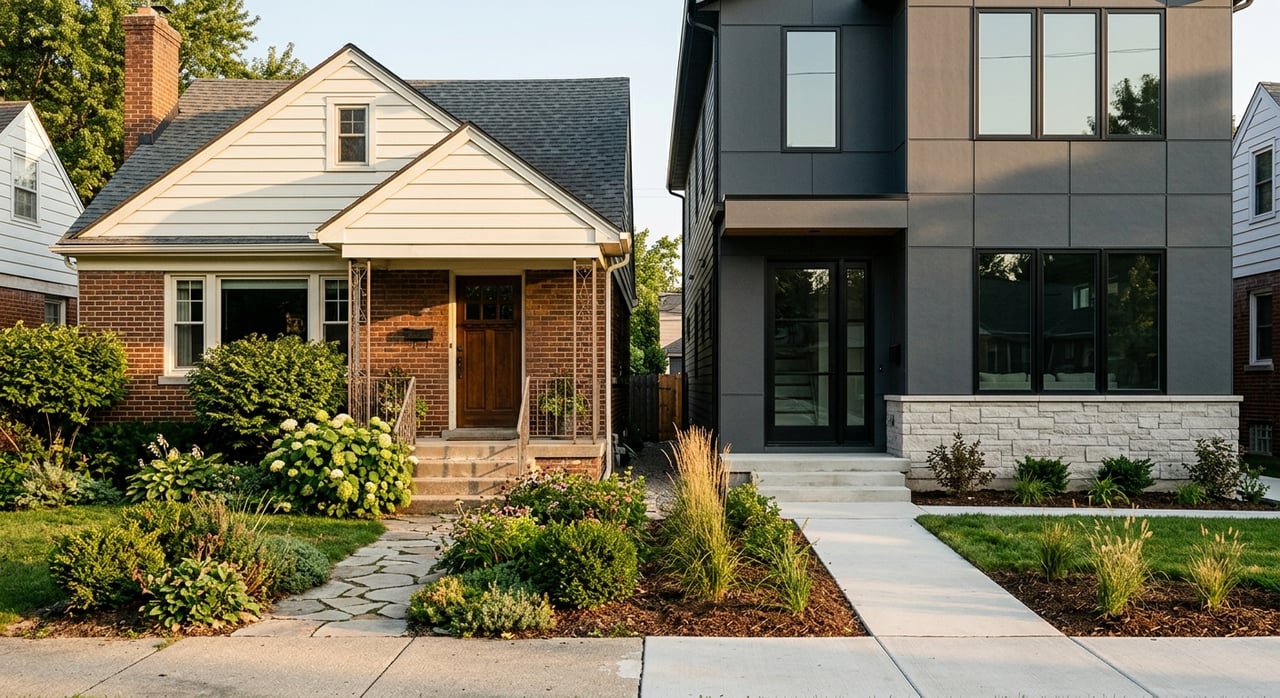
Buying in Central Park can feel tricky for one simple reason: you are choosing between two very different paths in the same neighborhood. This is not a case of comparing a brand-new subdivision to an older part of town. Central Park is already an established Denver community, yet it still has some remaining new-build options. If you are trying to decide which route fits your budget, timing, and comfort level, this guide will help you make a clearer choice. Let’s dive in.
Central Park Offers Both Options
Central Park is in its final phase of development, but it is already a mature part of central Denver. The community includes more than 20,000 residents, more than 100 business owners, over 60 parks, six neighborhood pools, and a 57,000-square-foot recreation center. The Central Park Rec Center also includes an indoor pool with a lazy river, splash area, lap pool, and slide.
That matters because you are not choosing between “finished neighborhood” and “future neighborhood.” You are choosing between a new home in one of the remaining buildout pockets and a resale home in an already established streetscape. In Central Park, both can give you access to a neighborhood with shopping, dining, parks, and recreation already in place.
Compare Home Type, Not Just Price
One of the biggest mistakes buyers make is comparing all Central Park homes as if they are the same product. They are not. A new townhome, a mid-size resale house, and a larger detached resale home can live in very different price ranges and offer very different tradeoffs.
As of March 2026, Central Park’s median sale price was $717,500, with homes averaging 29 days on market and about 2 offers. New homes in the neighborhood showed a median listing price of $765,000, with 21 days on market and about 3 offers. For broader context, Denver’s metro median home price in April 2026 was $600,000, which shows Central Park remains a premium submarket.
Recent resale examples ranged from about $615,000 for a 3-bedroom, 3-bath home to $1.85 million for a much larger detached home. On the new-build side, Brookfield’s Contour townhomes in Central Park started at $541,449 at the time of reporting, with quick move-in inventory also available. That is why the right question is not “Is new construction more expensive?” but rather “Which home type am I comparing?”
New Builds May Offer Different Cost Advantages
A new build can look more expensive at first glance, but the monthly cost may tell a different story. Builder promotions can change the math, especially if you are looking at a quick move-in home with a financing incentive attached. Brookfield, for example, advertised a limited-time promotion as low as 2.99% in year one, 3.99% in year two, and 4.99% from years 3 to 30+, while also noting that terms, pricing, and availability can change.
That does not mean every new build is the better deal. It means you need to compare the full monthly picture, including base price, financing terms, recurring fees, and how long the incentive lasts. A lower sticker price on a resale home does not always mean a lower overall cost if the financing or repair outlook is less favorable.
Resale Homes Can Offer More Immediate Certainty
If timing matters most, resale often gives you a more direct path. You can evaluate the exact home, the block, the finishes, and the condition as they exist today. That can make the decision feel more concrete, especially if you want to move on a specific schedule.
In Central Park, resale can also mean a more settled streetscape and a wider range of home sizes and styles. Since the neighborhood has been built out over time, resale inventory may include homes that feel more established in terms of landscaping, layout variety, and placement within the community. For many buyers, that sense of certainty is a major advantage.
New Construction Works Best for Specific Priorities
New construction tends to fit buyers who want a more selection-driven process. You may be choosing based on floorplan, inventory status, lot location, finish package, and builder timeline. In Central Park, where new homes are now limited to the remaining pockets, this can be appealing if you want a newer product but still want to live in an established Denver neighborhood.
This route is often best if you value features like modern layouts, new systems, and the chance to buy a home that has not been lived in before. It can also work well if a quick move-in option lines up with your schedule. Since Central Park still has limited new-home inventory, including quick move-ins, buying new does not always mean waiting through a long build.
Inspections Still Matter on New Homes
A lot of buyers assume a new home means fewer risks. That is not always the right way to think about it. The stronger approach is to focus on your protections in the contract, the inspection process, and the warranty terms.
The CFPB recommends making purchase contracts contingent on financing and a satisfactory inspection. That advice applies whether you are buying resale or new construction. An inspection can help uncover issues early enough for you to negotiate, request repairs, or decide not to proceed.
Builder Warranties Are Helpful, But Limited
A builder warranty is not the same thing as a blanket promise that everything will be covered. According to the FTC, builder warranties on newly built homes often provide limited coverage for workmanship and materials during the first year. HVAC, plumbing, and electrical systems are often covered for two years, and some builders offer up to 10 years for major structural defects.
Those warranties also have limits. They usually do not cover appliances, small cosmetic cracks, or living expenses during repairs. So while a warranty can be valuable, it should not replace careful contract review and an independent inspection.
Resale Homes Need Inspection Strategy Too
Resale homes do not automatically mean higher risk or heavier maintenance. What matters is the actual condition of the property and what the inspection reveals. A well-maintained resale home may offer a strong balance of value, location, and move-in readiness.
The CFPB notes that inspections can also matter because lenders may require repairs before closing if major problems are found. In practice, that means resale buyers need a strategy, not fear. You are not just buying an age of home. You are buying a specific property with a specific condition profile.
You Can Shop Lenders on a New Build
If you are looking at a builder sale, you may be offered financing through an affiliated lender. That can be worth reviewing, especially if there is an incentive tied to it. But you are not required to use that lender.
The CFPB says buyers can shop around for a mortgage instead of using the builder’s affiliated lender. That gives you room to compare rates, fees, and loan structure. In some cases, the builder incentive wins. In other cases, an outside lender may offer the better overall deal.
How to Decide in Central Park
The best choice usually comes down to three factors: timeline, product type, and total monthly cost. If you want the simplest path to occupancy and like the idea of seeing the exact home before you commit, resale may be the better fit. If you want a newer product and are comfortable with a more builder-driven process, a new build could make more sense.
Here is a simple way to frame it:
- Choose new construction if you want a newer home, may value builder incentives, and are open to the remaining buildout areas in Central Park.
- Choose resale if you want an established block, immediate clarity on the home’s condition and setting, and more certainty around move-in timing.
- Compare monthly cost, not just list price.
- Review inspection rights, deposit terms, and warranty details before you commit.
- Compare homes by category, not just by neighborhood median.
Because Central Park is both established and still finishing its final chapter, it gives you a rare choice in Denver. You can buy new without leaving a mature neighborhood, or buy resale without giving up the amenities that make the area so popular.
If you want help comparing actual Central Park options by price point, product type, and timing, Stephen LaPorta can help you sort through the numbers and choose the path that fits you best.
FAQs
Is Central Park in Denver still being built out?
- Yes. Central Park is in its final phase of development, but new homes are still available in some areas.
Do you need an inspection for a new construction home in Central Park?
- Yes. An independent inspection is still important because builder warranties are limited and may not cover every issue.
Are new builds in Central Park more expensive than resale homes?
- Not always in a simple apples-to-apples way. The right comparison depends on the home type, size, financing terms, and any builder incentives available.
Can you use your own lender when buying a new build in Central Park?
- Yes. You can compare the builder’s affiliated lender with outside lenders and choose the option that gives you the best overall deal.
What matters most when choosing between new and resale in Central Park?
- The biggest factors are your timeline, the type of home you want, and the total monthly cost rather than list price alone.