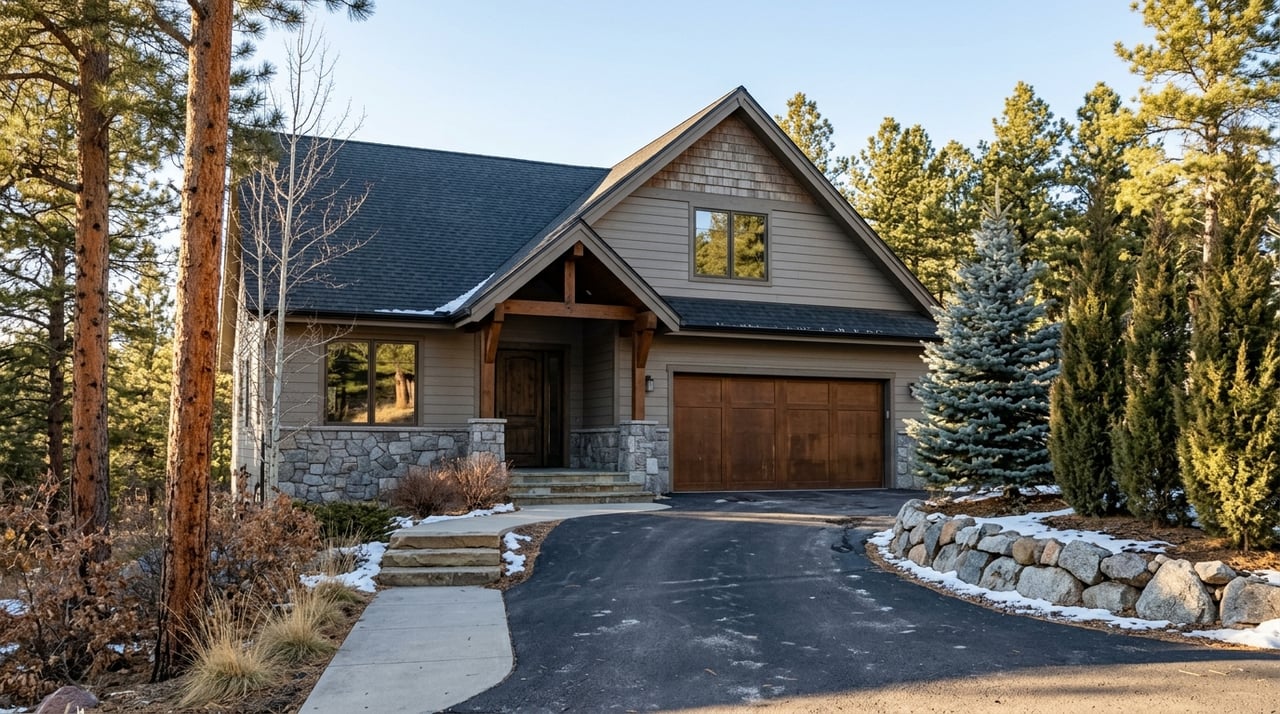
If you are dreaming about mountain living but do not want to feel totally disconnected, Hiwan often lands in a sweet spot. It gives you the wooded foothills setting many buyers want, along with access to Evergreen’s daily conveniences and a workable connection back to the Denver metro. If you are wondering what life here actually feels like day to day, this guide will help you picture it more clearly. Let’s dive in.
Hiwan feels established and outdoors-first
Hiwan is not the kind of place that feels brand new or overly planned. It sits in Evergreen’s foothills landscape, where mature trees, winding roads, and larger lots shape the experience in a very real way. The overall feel is established, forested, and tied closely to the outdoors.
That sense of place is reinforced by local history. Hiwan Heritage Park and Museum sits in an old-growth ponderosa grove, and Jefferson County traces the site back to Camp Neosho in 1893, later becoming the Hiwan Ranch before opening as a museum in 1974. For you as a buyer, that history translates into a neighborhood with deeper roots and a more grounded identity than many newer communities.
Evergreen itself had 9,307 residents in the 2020 Census, so you are not moving into a major urban center. Instead, you are choosing a foothills community where nature and neighborhood character tend to stand out more than density or nightlife. That difference is a big part of Hiwan’s appeal.
The scenery is part of daily life
In Hiwan, the natural setting is not just something you visit on weekends. It becomes part of your routine, from the drive home through the trees to the changing light, weather, and seasons around you. Many buyers are drawn to that feeling because it offers a calmer pace without leaving the metro region entirely behind.
Nearby public spaces help shape that experience. Jeffco Open Space manages more than 58,000 acres, 27 parks, and more than 275 miles of trail, and Hiwan residents are close to places like Elk Meadow Park, Hiwan Heritage Park, and Alderfer/Three Sisters Park. That means your options for walking, hiking, and simply spending time outside are woven into everyday life.
Elk Meadow is known as the county park system’s likeliest place to see elk, and its Pioneer Trail connects Bergen Park to Evergreen Lake. Alderfer/Three Sisters offers landmark rock formations, old ponderosa stands, and the most trails per acre of any foothills park in the county system. If outdoor access is high on your list, Hiwan makes that part of your normal routine rather than a special trip.
Four seasons feel more noticeable here
Mountain living in Hiwan comes with real seasonal rhythm. According to NOAA climate normals from the Evergreen station at 6,985 feet, the area has an annual mean temperature of 44.7 degrees, about 18.62 inches of annual precipitation, and roughly 80.8 inches of annual snowfall. In short, you should expect all four seasons to feel distinct.
Winter is not just a light dusting now and then. January averages about 44.4 degrees for the high and 12.5 degrees for the low, so snow and cold are a regular part of life. Summer, on the other hand, stays warm during the day but cools off at night, with July averaging 81.2 degrees for the high and 49.0 degrees for the low.
For many buyers, those cool summer evenings are a major plus. You get the kind of seasonal contrast that feels more pronounced than in lower-elevation parts of the Denver area. That said, the weather is something you plan around here, not something you ignore.
Outdoor plans often depend on conditions
Living in Hiwan usually means you become more aware of weather, trail conditions, and seasonal closures. Jeffco Open Space notes that wildlife closures often run from February 1 through July 31 to protect sensitive species. Nearby parks may also see forest-health work or beetle-treatment activity during parts of the year.
That does not take away from the outdoor lifestyle, but it does shape it. You may check conditions before heading out more often than you would in a city neighborhood. Over time, that kind of awareness simply becomes part of how you live in the foothills.
Wildfire awareness is part of mountain living
One of the most important realities of living in Hiwan is wildfire preparedness. Jefferson County’s Wildfire Commission identifies Evergreen and Conifer as among the county’s highest-risk areas. That context matters if you are thinking seriously about owning a home in this part of the foothills.
In practice, that often means conversations about tree care, defensible space, and emergency planning are part of normal homeownership. Jeffco Open Space also promotes the SLASH Program, which helps reduce wildfire risk by clearing natural debris and supporting defensible space. For buyers moving from more urban neighborhoods, this is one of the clearest differences in day-to-day responsibility.
This does not mean living in Hiwan should feel alarming. It means mountain living here comes with a practical mindset. If you value the beauty of wooded surroundings, you should also expect to stay engaged with the upkeep and preparedness that setting requires.
Convenience is different from Denver
Hiwan offers a very different version of convenience than central Denver. The Evergreen Area Plan makes it clear that the community depends on the larger metro area for higher-intensity uses like large department stores, major entertainment facilities, auto dealerships, larger office parks, and heavy manufacturing. In everyday terms, errands are more clustered and less urban.
That usually means places like Bergen Park and Downtown Evergreen matter a lot in daily life. You can get many of your routine needs handled locally, but the overall pattern is more car-oriented than what you would find in a walkable city neighborhood. For some buyers, that trade-off feels more than worth it. For others, it is a key lifestyle adjustment to think through before making a move.
If you are coming from Denver, this is one of the biggest mental shifts. You gain space, scenery, and easier access to trails, but you give up some instant convenience. Hiwan tends to work best for buyers who see that as a fair exchange.
Commuting takes more planning
If you need to get into the metro regularly, planning matters. RTD’s Evergreen Park-n-Ride serves the EV route between Evergreen and Denver, with connections shown to Federal Center Station and downtown Denver at Civic Center. However, the published schedule reflects early-morning weekday service rather than frequent all-day service.
For most households, that means a car is still central to daily mobility. CDOT also notes that the I-70 mountain corridor has unique travel challenges because of terrain, elevation, and recreational traffic. So while Hiwan can work for commuters, it is smart to think about your schedule, route flexibility, and tolerance for mountain-corridor traffic before you buy.
Homes in Hiwan vary more than some buyers expect
One helpful thing to know is that Hiwan is not a one-style neighborhood. The broader area is better understood as established foothills housing rather than a single uniform product type. Jefferson County historic materials describe Evergreen as a place that evolved from summer lodges and ranches into year-round homes, with a mix of historic and post-1950 residences on generous lots.
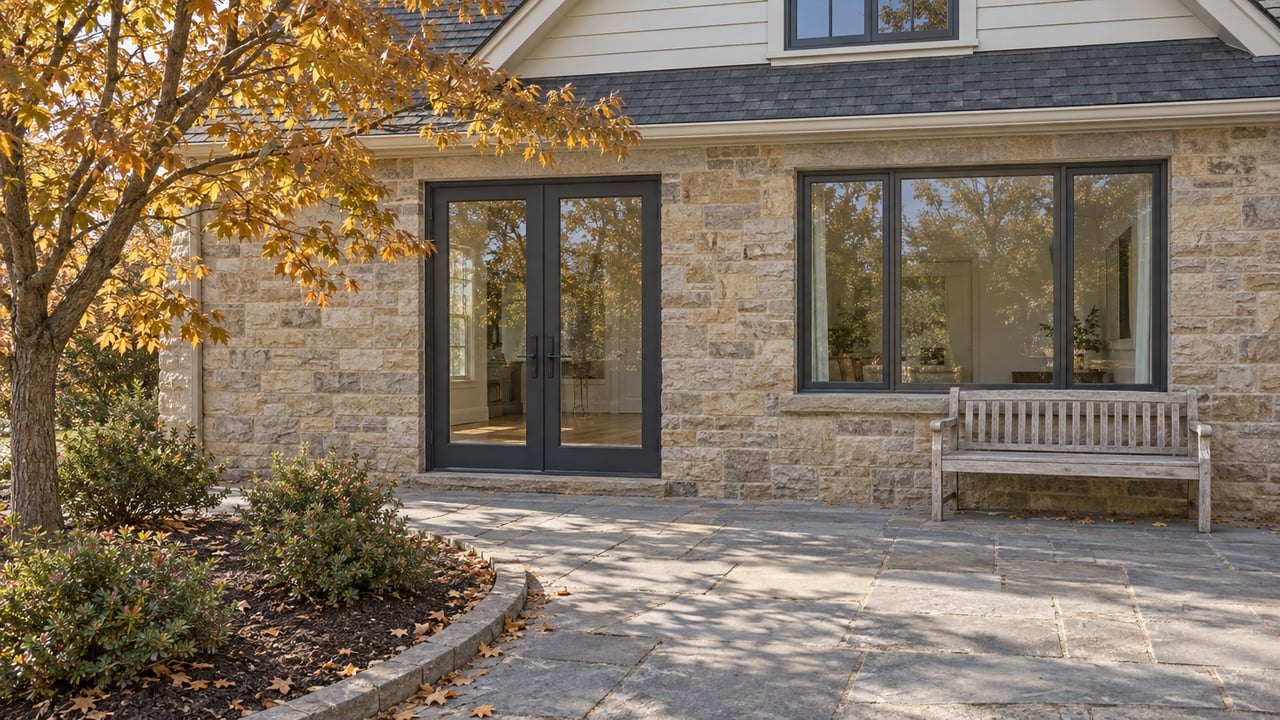
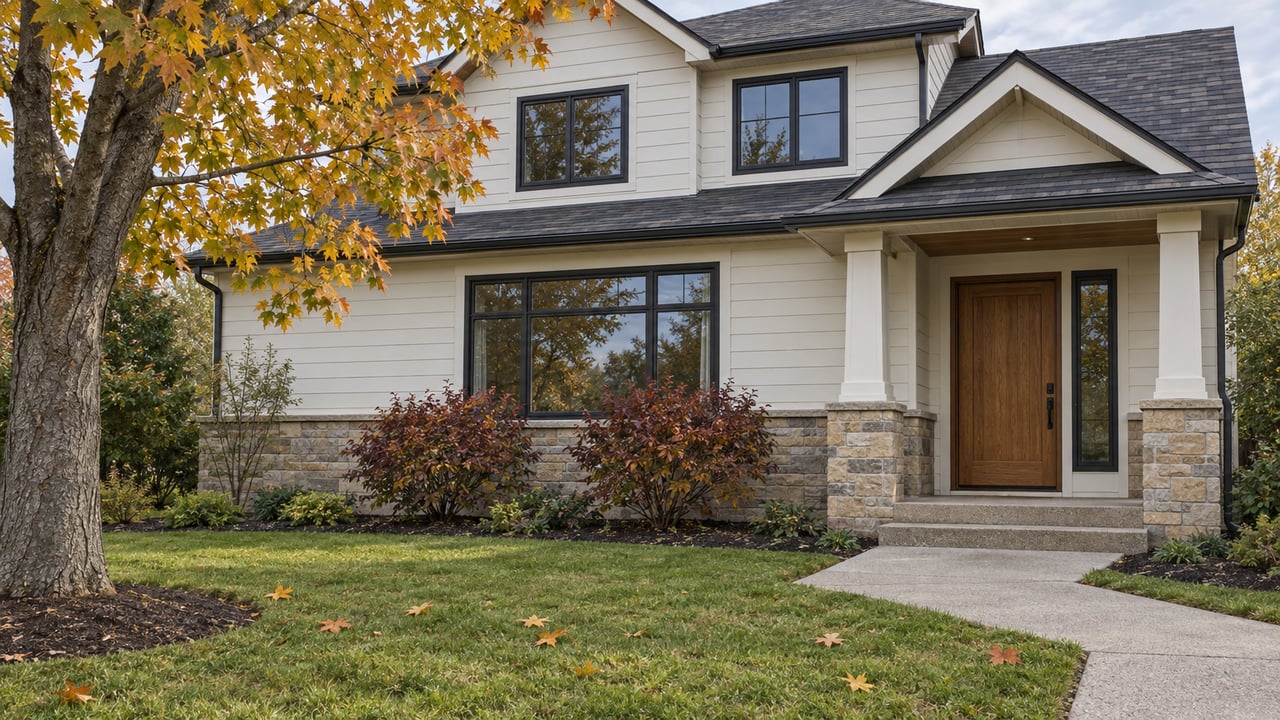
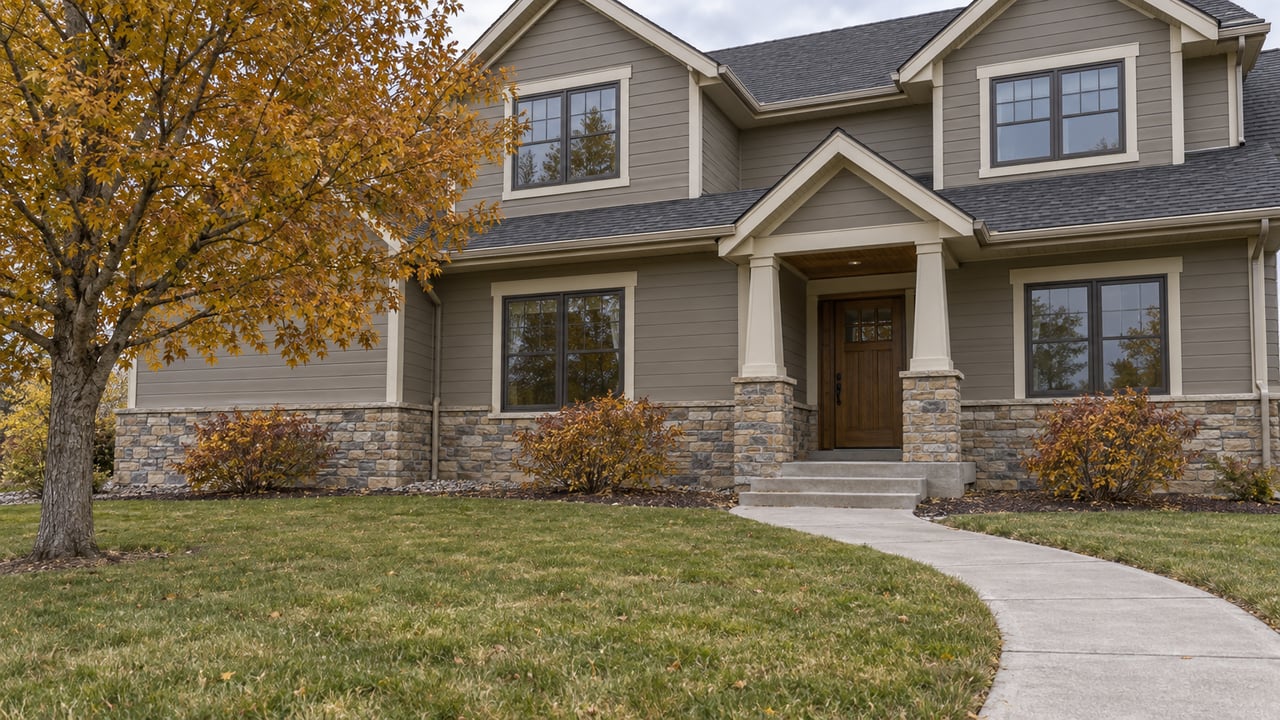
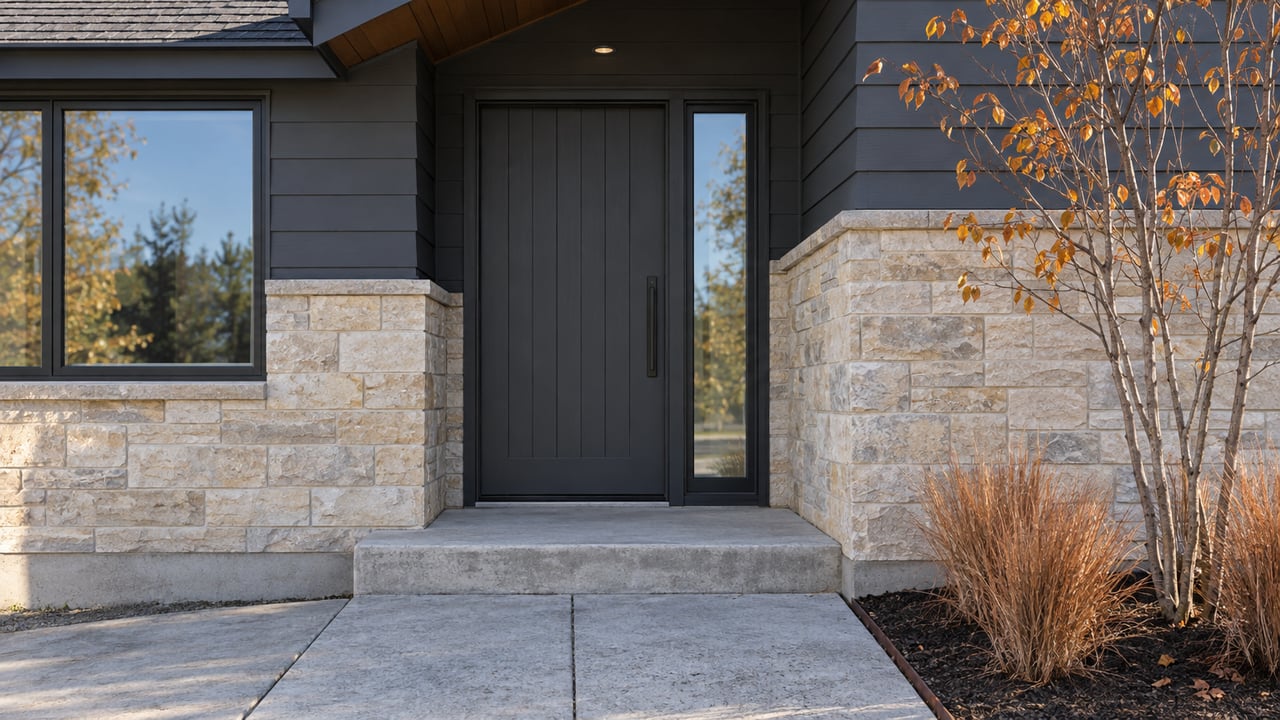
That history helps explain why buyers may find a range of home styles in and around Hiwan. Depending on the pocket, you may see detached single-family homes, ranch-style properties, mountain-contemporary remodels, and some townhome or condo options in the broader mix. This variety can be a real advantage if you want the Hiwan setting without needing one exact home style.
Some sections also offer added amenities. For example, The Trails at Hiwan describes itself as being around 7,800 feet in elevation with three lakes and more than 47 acres of open space. That detail speaks to the fact that certain parts of Hiwan lean even more strongly into amenity-rich foothills living.
The market feels rooted, not transient
If you want a neighborhood that feels like people put down roots, the broader Evergreen data supports that impression. The 2020 to 2024 ACS profile shows an 88.8% owner-occupied rate and a median owner-occupied home value of $829,400. Those numbers suggest a market shaped more by long-term ownership than by constant turnover.
For buyers, that often translates into a stronger sense of stability. For sellers, it helps explain why presentation, pricing, and neighborhood context matter so much. In a market like this, buyers are often looking carefully at both the home and the lifestyle that comes with it.
Is Hiwan the right fit for you?
Hiwan tends to appeal to buyers who want a real foothills lifestyle, not just mountain views from a distance. It offers an established setting, daily access to open space, cool summer nights, and a sense of history that gives the area more personality than many newer communities. At the same time, it asks you to be comfortable with snow, driving, wildfire awareness, and a less urban version of convenience.
That is why buying here is often less about checking a simple feature list and more about matching the neighborhood to the way you want to live. If you are comparing Hiwan with Denver neighborhoods or closer-in suburbs, the right decision usually comes down to your priorities around space, scenery, access, and routine.
If you are exploring homes in Evergreen and want help understanding how Hiwan compares with other foothills options, Stephen LaPorta can help you evaluate the lifestyle, the housing mix, and the market context so you can make a confident move.
FAQs
What does daily life in Hiwan, Evergreen feel like?
- Daily life in Hiwan generally feels quieter, more wooded, and more connected to the outdoors than life in central Denver, with routines shaped by the foothills setting.
How much snow does Hiwan, Evergreen usually get?
- Based on NOAA normals for Evergreen, the area averages about 80.8 inches of snowfall per year.
Are there trails and parks near Hiwan, Evergreen?
- Yes. Nearby options include Elk Meadow Park, Hiwan Heritage Park, and Alderfer/Three Sisters Park, with strong access to trails and open space.
Is Hiwan, Evergreen convenient for commuting to Denver?
- Hiwan can work for commuters, but most households rely heavily on a car, and travel on the I-70 corridor requires planning because of terrain, elevation, and traffic patterns.
What types of homes are common in Hiwan, Evergreen?
- The broader Hiwan area includes a mix of established foothills homes, including detached houses, ranch-style properties, mountain-contemporary remodels, and some townhome or condo options.
What should buyers know about wildfire risk in Hiwan, Evergreen?
- Buyers should expect wildfire preparedness to be part of mountain homeownership, including attention to tree care, defensible space, and emergency planning.