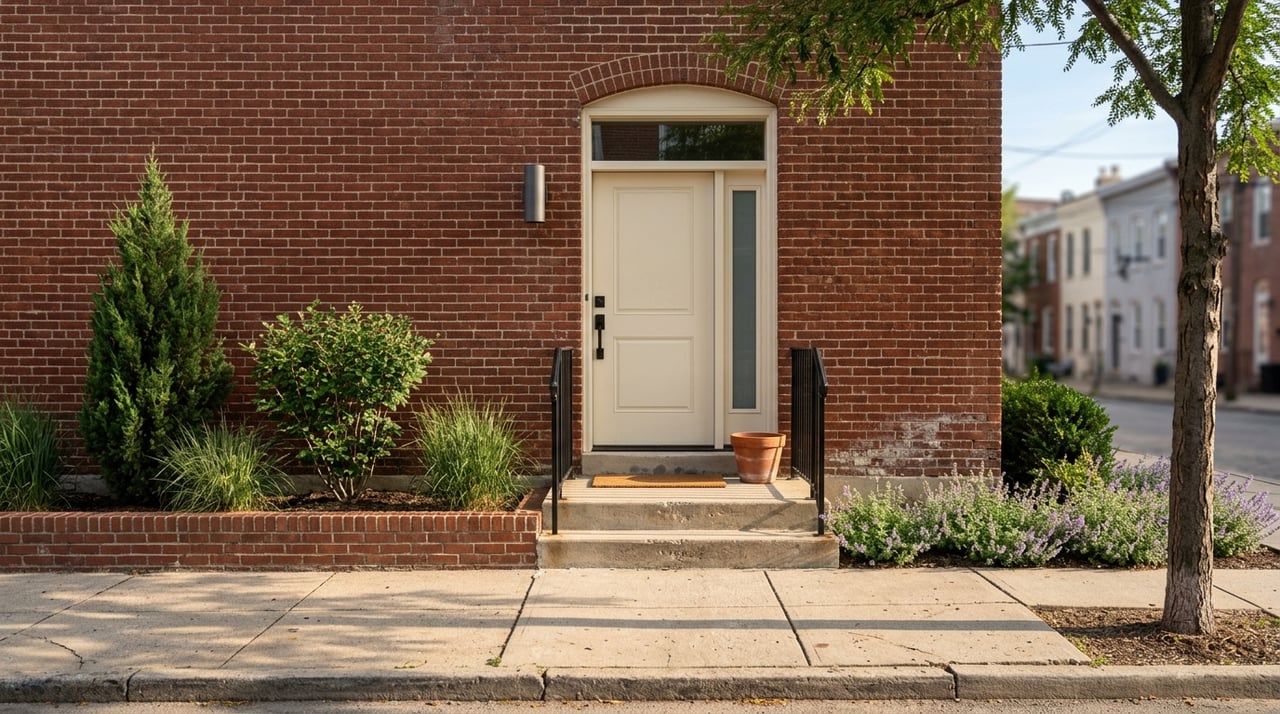
Wondering what it’s really like to live in Denver’s Highland? If you are planning a move, this neighborhood can feel both exciting and a little hard to pin down because Highland is not just one thing. You will find historic homes, modern buildings, walkable business corridors, and easy access to downtown, all packed into one of Denver’s most recognized areas. This guide will help you get oriented, understand the neighborhood’s rhythm, and feel more confident about what daily life in Highland might look like. Let’s dive in.
How Highland Is Laid Out
Highland sits just northwest of downtown Denver, but it helps to think of it as a collection of smaller areas rather than one uniform district. Local neighborhood guides commonly point to Highland Square, LoHi, and nearby adjoining sections when describing the area.
That matters when you are choosing where to live. Some parts of Highland feel more residential and rooted in older homes, while others feel more urban and closely tied to downtown activity. Instead of one long main street, you will notice a pattern of residential blocks connected by smaller commercial corridors.
Highland Square at a glance
Highland Square, centered around West 32nd Avenue and Lowell Boulevard, is often described as the heart of the Highlands. It has a tree-lined, neighborhood feel and serves as a day-to-day hub for coffee, errands, dining, and local shopping.
If you want a part of Highland that feels especially community-oriented, this area often stands out. The corridor along 32nd Avenue is lined with boutiques, salons, coffee shops, and restaurants, and the area also hosts a recurring farmers market.
LoHi at a glance
LoHi, short for Lower Highland, sits closer to downtown and has a more urban feel. Local guides describe it as a mix of old and ultra-modern architecture, with some of the city’s most innovative restaurants and bars.
If your ideal routine includes quick access to downtown and a more active street scene, LoHi may be the part of Highland that feels most natural. It is one reason Highland appeals to people who want a neighborhood setting without giving up city convenience.
What Daily Life Feels Like
One of Highland’s biggest draws is how easy it is to build a routine around local spots. Rather than relying on a single destination, you can settle into a pattern of neighborhood coffee runs, restaurant visits, and errands spread across a few well-known corridors.
Highland Square is a strong example of that everyday convenience. It offers the kind of street-level activity that can make a neighborhood feel lived-in and approachable, especially if you enjoy being able to walk to nearby businesses.
Coffee, dining, and local favorites
Current neighborhood guides point to places like Hearth and The Bindery for coffee and bakery stops. For dining, Blue Pan Pizza and Duo are often highlighted in Highland Square and nearby areas.
In LoHi, names like Linger, Avanti, and Root Down show up often in local coverage. Together, these businesses help define Highland as a neighborhood where food and gathering places are part of the day-to-day experience, not just a weekend extra.
Parks and Outdoor Access
Highland is an urban neighborhood first, but outdoor access still plays an important role in how people live here. If you like balancing city life with time outside, that is a meaningful part of the neighborhood’s appeal.
For larger green-space outings, local guides often point residents toward Confluence Park and Sloan’s Lake Park. These destinations help expand your options beyond the neighborhood’s commercial corridors and residential blocks.
Sloan’s Lake and nearby recreation
Sloan’s Lake Park is described as the city’s second-largest park and largest body of water. It offers mountain views, a waterfront walking path, and paddleboarding, making it a popular option for exercise, fresh air, or a more scenic weekend routine.
Planning documents for the Near Northwest area also show that residents value park space, recreation amenities, tree canopy, and better connections to open space. In practical terms, that tells you Highland residents tend to care about having outdoor options close to home, even in a more urban setting.
Getting Around Highland
If you are moving to Highland, commuting and everyday mobility are worth thinking through early. One of the neighborhood’s advantages is that many residents can support a car-light routine, especially for errands, dining, and trips into downtown.
That does not mean every household will go car-free. It does mean Highland gives you more flexibility than many areas if you are comfortable combining walking, transit, and regional connections.
Transit connections to know
RTD Route 32 runs along West 32nd Avenue and connects Downtown, Highlands, West Highlands, Wheat Ridge, and Arvada. RTD says riders can connect through Civic Center Station or Union Station.
Union Station is the region’s intermodal hub, bringing together light rail, commuter rail, Amtrak, regional buses, shuttles, and bike and pedestrian access. For many new residents, that level of connectivity is a major plus.
Why LoHi feels close to downtown
The Highland Bridge helps connect downtown Denver to the Highlands. That connection helps explain why LoHi often feels especially close to the city center, even though it still has its own neighborhood identity.
If your schedule includes downtown work, dining, or events, this setup can make Highland feel highly practical. You get neighborhood character with strong access to a major employment and activity center.
Homes and Architecture in Highland
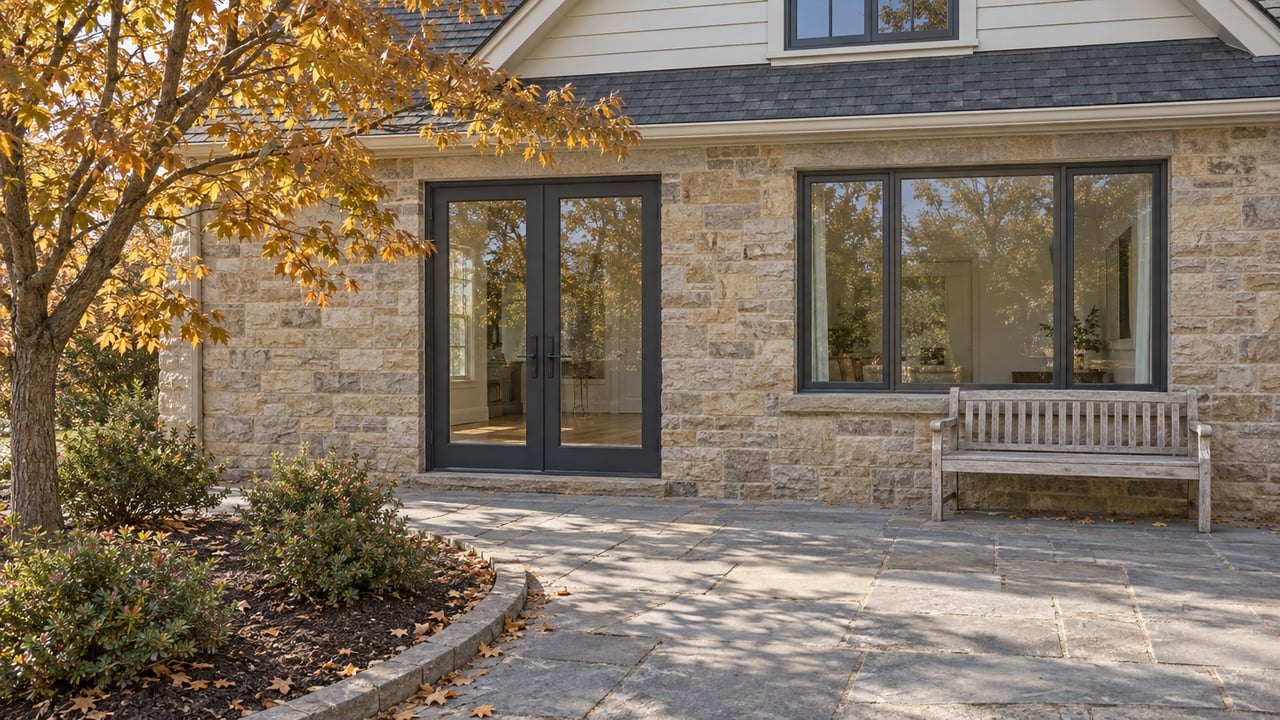
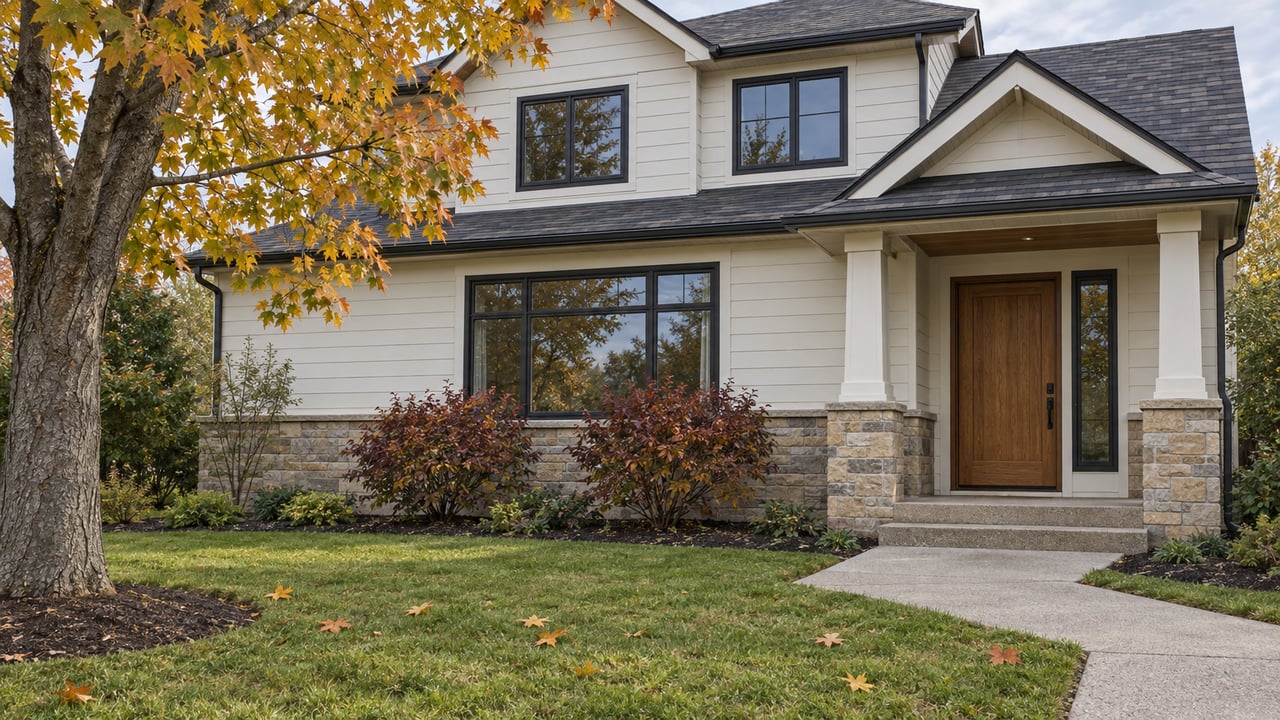
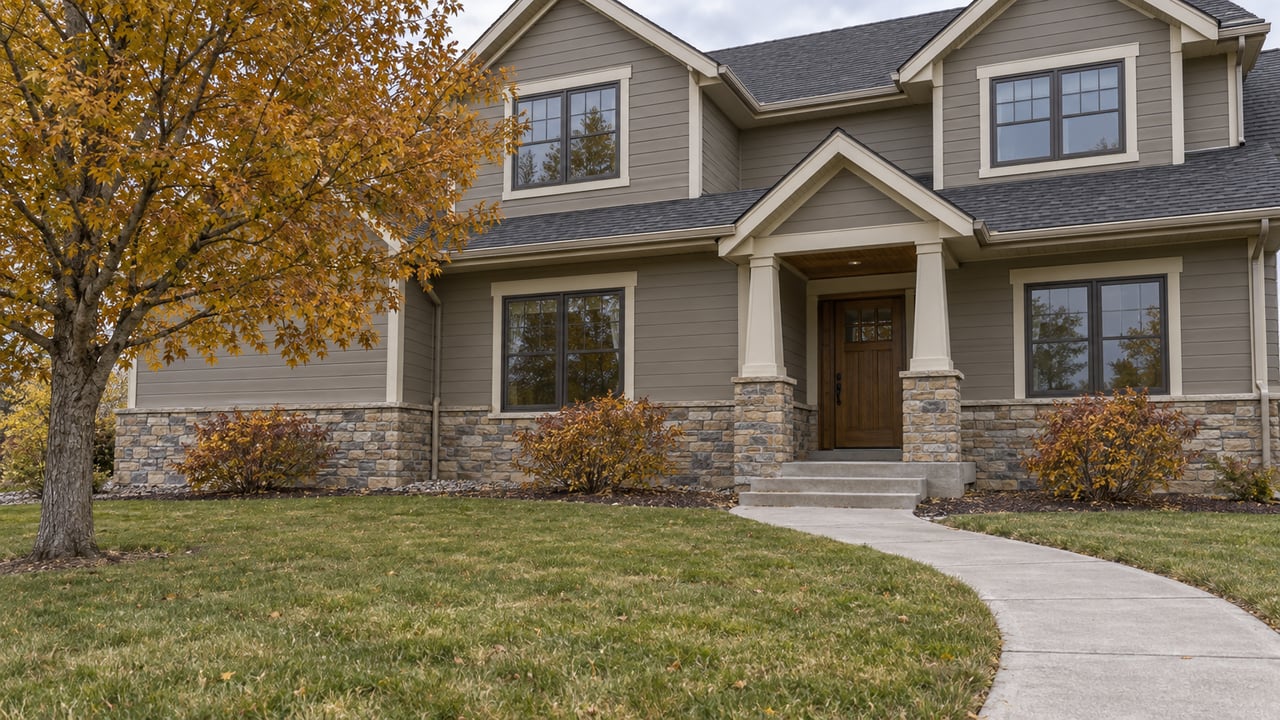
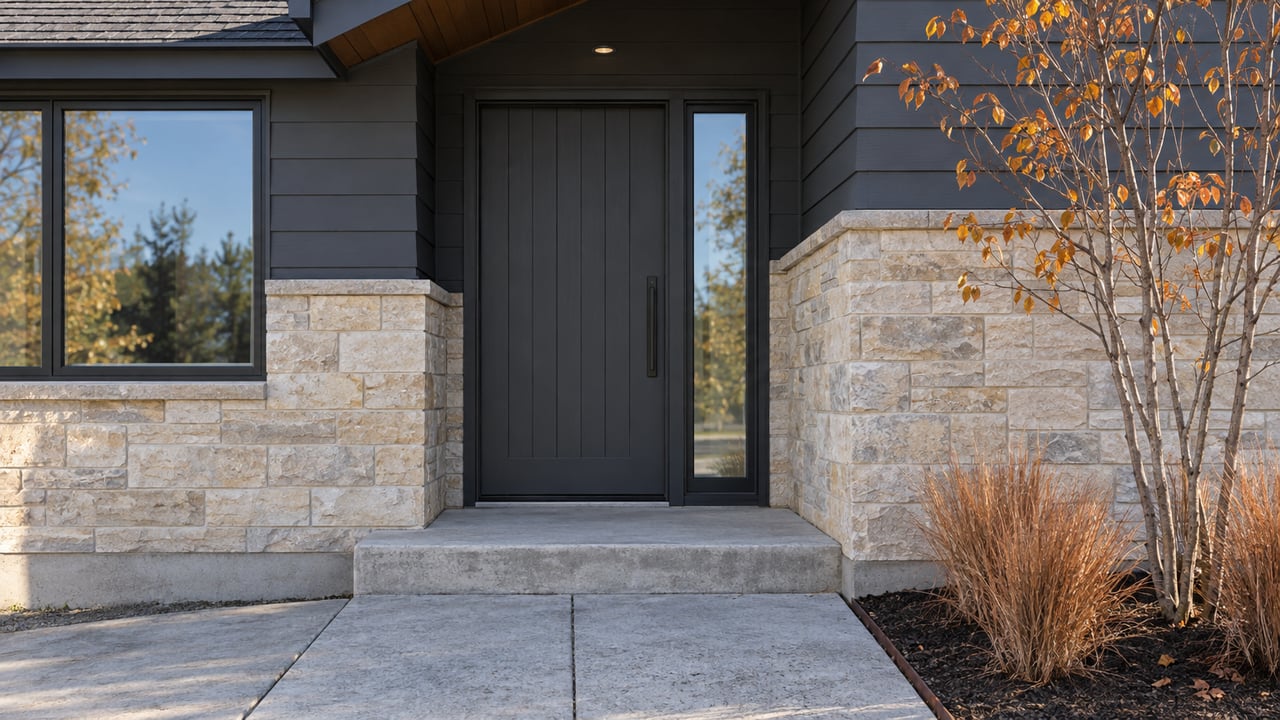
Housing is one of Highland’s most distinctive features. The neighborhood includes a wide mix of historic styles, updated older homes, and newer development, which gives buyers a broader range of options than they might expect.
That variety also means your home search should be specific. Two properties in Highland can offer very different living experiences depending on the block, building style, and how close they are to commercial corridors or downtown-facing edges.
Historic homes and neighborhood character
Denver’s official description of the Potter Highlands Historic District identifies styles such as Queen Anne, Craftsman Bungalow, Classic Cottage, Denver Square, Colonial Revival, Dutch Revival, Mission, and Prairie. Brick masonry is common, and the area’s square blocks with interior carriage lots help shape its traditional layout.
West Highland sources also point to bungalows, Victorians, Denver Squares, and Classic Cottages as part of the area’s character. If you are drawn to older homes with architectural detail and established streetscapes, Highland offers a strong mix of those options.
Newer homes and urban-edge options
Highland is not limited to historic housing. Local sources also note quite a bit of new construction, and planning materials reference townhome and loft developments.
That creates useful flexibility for buyers. Depending on your goals, you may find historic single-family homes, renovated cottages and bungalows, or newer townhomes and loft-style properties closer to the neighborhood’s more urban edges.
What New Residents Should Consider
Before you choose a home in Highland, it helps to think beyond the neighborhood’s reputation and focus on how you actually want to live. Highland can support different lifestyles, but the right fit often comes down to location within the neighborhood.
A home near Highland Square may support a more local, day-to-day neighborhood routine. A home in LoHi may put you closer to downtown energy and a more modern streetscape. Neither is better across the board, but they can feel very different once you live there.
Questions to ask yourself
- Do you want a quieter residential block or a more active urban setting?
- How important is walkable access to coffee shops, dining, and errands?
- Would you prefer a historic home style or a newer townhome or loft?
- How often do you expect to commute downtown or use regional transit connections?
- Do nearby park access and outdoor routines matter to your weekly lifestyle?
These questions can help you narrow your search and avoid choosing based on broad labels alone. In Highland, micro-location matters.
Why Highland Appeals to So Many Buyers
Highland stands out because it combines several things buyers often want at once. You get neighborhood character, a range of home styles, active commercial pockets, and practical access to downtown.
That mix is not always easy to find. For many people, Highland offers a balance between historic charm and modern convenience, which is a big reason it continues to attract attention from buyers across Denver.
If you are considering a move, a neighborhood-level strategy matters. Understanding the differences between Highland Square, LoHi, and the surrounding residential blocks can help you make a more confident decision and focus on the homes that truly match your goals.
If you are thinking about buying or selling in Highland, Stephen LaPorta can help you evaluate the neighborhood block by block, compare housing options, and build a smart strategy around your next move.
FAQs
What is the Highland neighborhood in Denver like for new residents?
- Highland is an urban neighborhood northwest of downtown Denver with a mix of residential blocks, local business corridors, historic homes, newer development, and strong access to dining, parks, and downtown connections.
What is the difference between Highland Square and LoHi in Denver?
- Highland Square is centered around West 32nd Avenue and Lowell Boulevard and is known for its tree-lined, neighborhood-oriented feel, while LoHi is closer to downtown and is known for a more urban atmosphere and a mix of old and modern architecture.
What types of homes can you find in Denver’s Highland?
- Highland includes historic styles such as Queen Anne, Craftsman Bungalow, Classic Cottage, Denver Square, Colonial Revival, Dutch Revival, Mission, and Prairie, along with renovated older homes, newer townhomes, lofts, and other new construction.
How do residents get around the Highland neighborhood in Denver?
- Many residents use a mix of walking, RTD Route 32, and regional connections through Union Station, which links light rail, commuter rail, buses, shuttles, Amtrak, and bike and pedestrian access.
What parks are near Denver’s Highland neighborhood?
- Common nearby outdoor destinations include Confluence Park and Sloan’s Lake Park, with Sloan’s Lake offering mountain views, a waterfront walking path, and paddleboarding.
Is Highland a good fit if you want walkable amenities in Denver?
- Highland can be a strong fit if you want walkable access to coffee shops, dining, boutiques, salons, and neighborhood services, especially around Highland Square and parts of LoHi.