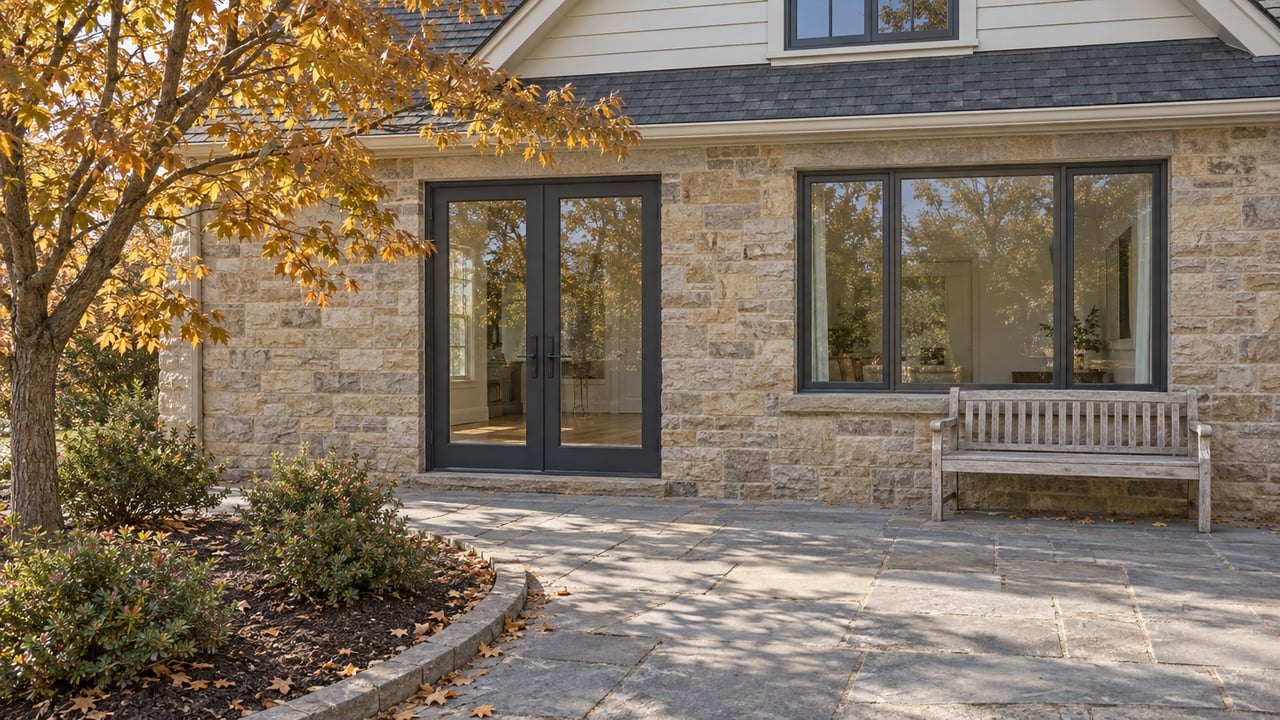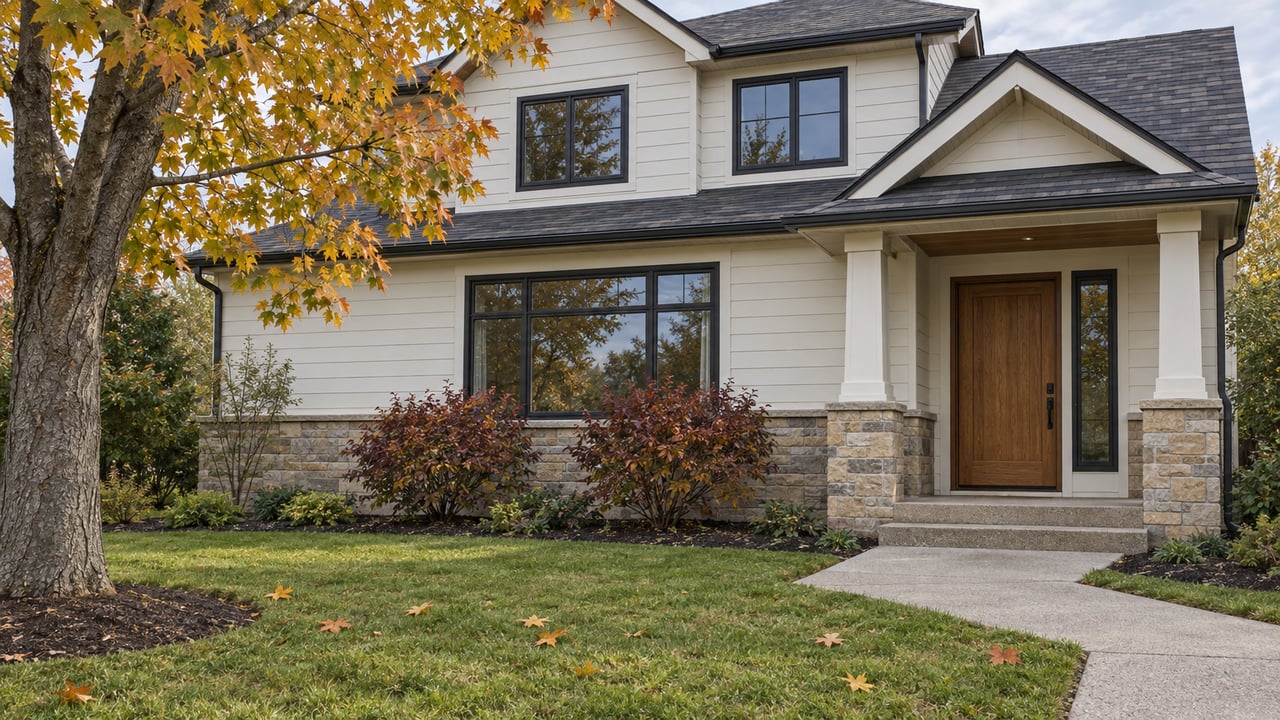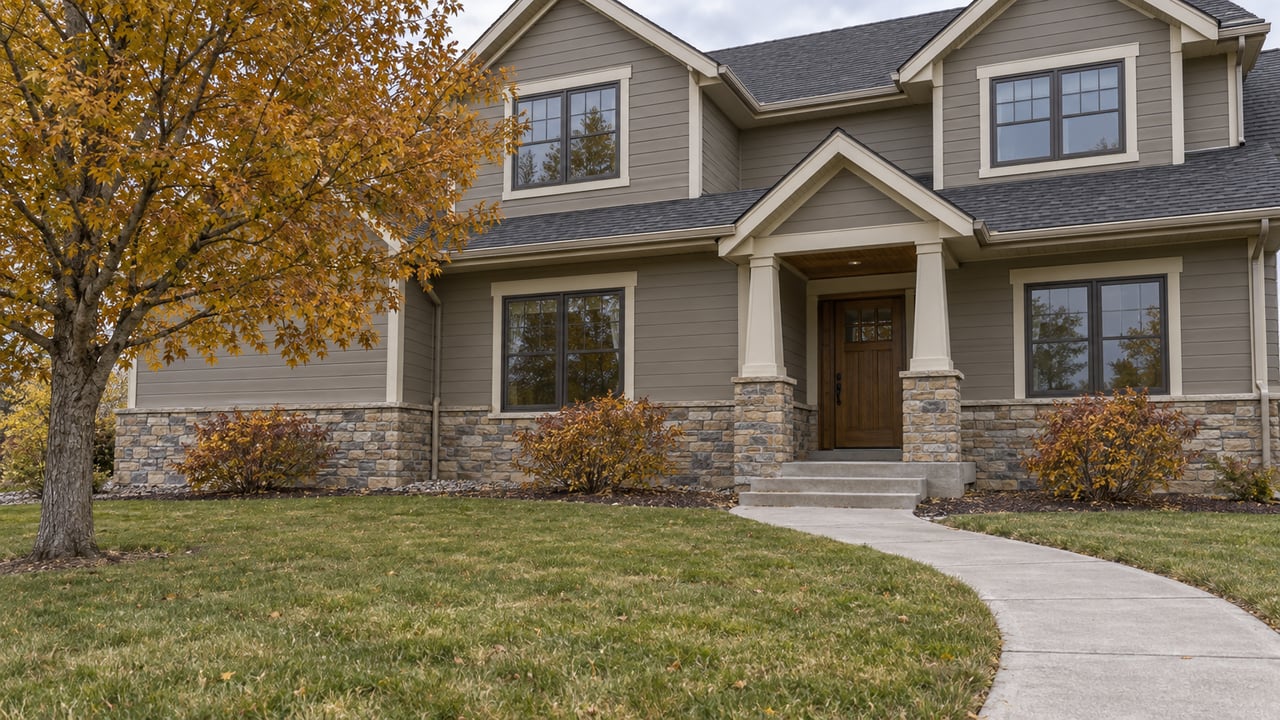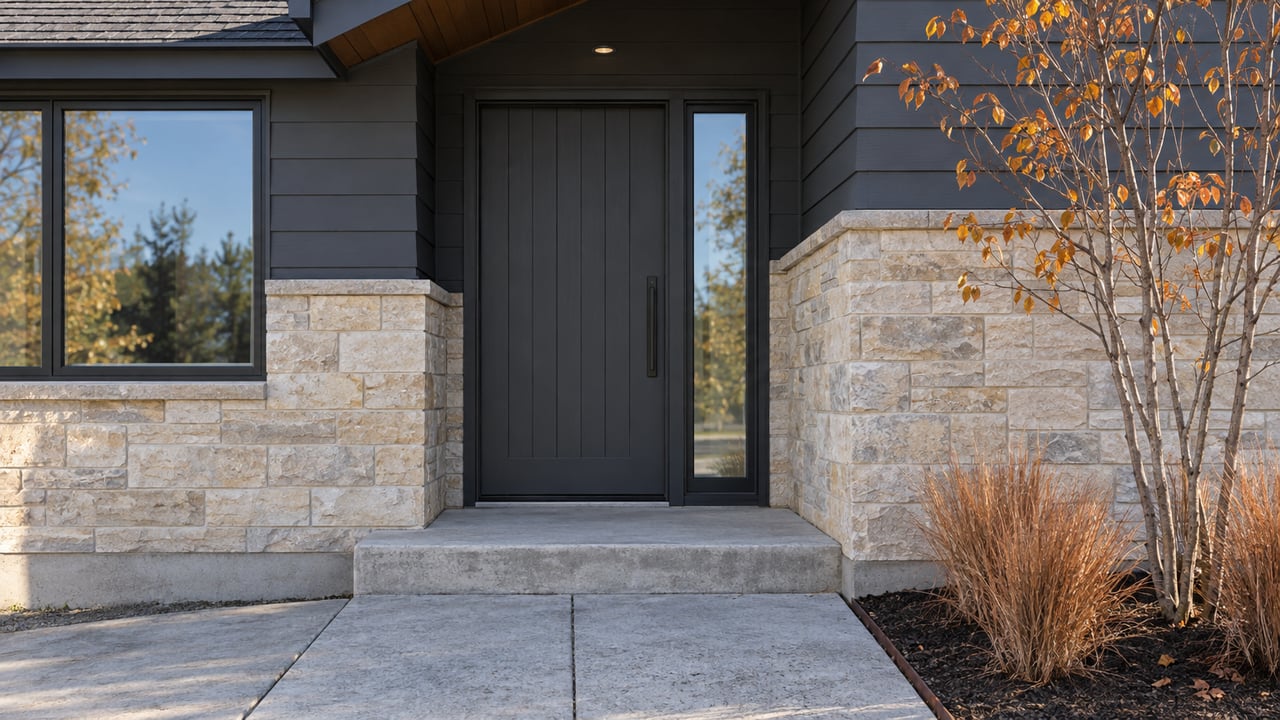
What if the home you choose in Central Park is really a choice about how you want to live day to day? In this Denver neighborhood, parks, pools, trails, town centers, and civic spaces are not side perks. They are built into the way the community works. If you are weighing condos, townhomes, or detached homes here, understanding the amenity map can help you narrow your options faster and make a more confident decision. Let’s dive in.
Why amenities matter in Central Park
Central Park was planned around walkability, mixed uses, neighborhood parks, greenways, and a range of housing types. Its layout follows a New Urbanist approach, which means the community was designed so daily life can happen across multiple connected places instead of around one single center.
That matters when you start your home search. In many neighborhoods, amenities are a bonus if you happen to live nearby. In Central Park, they often shape the home search itself because the neighborhood’s parks, trails, pools, retail hubs, and public gathering spaces are part of the core design.
The official community site says almost every home has a park within a five-minute walk. That kind of access can change what buyers prioritize, especially when deciding between more square footage and easier access to outdoor space or everyday conveniences.
Central Park's amenity-first layout
Central Park does not function like a typical subdivision with one clubhouse or one central retail strip. Instead, it has multiple activity nodes spread across the neighborhood, each offering a slightly different rhythm and lifestyle.
For some buyers, that means the right home is the one closest to a favorite pool, trail, or town center. For others, it means choosing a lower-maintenance property in exchange for more walkability to public spaces, dining, and recreation.
This is one reason home choices here can feel more personal than purely numerical. You are not just comparing bedrooms and lot sizes. You are also comparing how you want to move through the neighborhood each week.
Parks and trails shape daily routines
The outdoor network is one of Central Park’s biggest decision drivers. The neighborhood site says Central Park includes 60 parks, two dog parks, and 62 miles of trails, anchored by the 80-acre Central Park in the center of the community.
According to the MCA, that central park includes athletic fields, jogging and biking paths, a sledding hill, amphitheater, play fountain, covered picnic and party areas, a one-acre playground, restrooms, parking, and indoor facilities. The parks are public and posted as open from 5:00 a.m. to 11:00 p.m.
If you know you will use trails, open space, or playgrounds several times a week, proximity may matter more than an extra room inside the house. For some buyers, being able to step out and reach a park in minutes is worth trading a larger lot or a longer list of private outdoor features.
Homes near major green space
Homes near larger park areas may appeal to buyers who want quicker access to recreation and public gathering areas. These locations can support routines like morning runs, weekend picnics, bike rides, or regular dog walks without needing to drive.
On the other hand, some buyers prefer a quieter interior block and are happy to walk a bit farther for those same amenities. In a neighborhood with such a dense park network, that balance often comes down to your own habits more than a simple right-or-wrong answer.
Pools can change your search priorities
The pool system in Central Park is another standout feature. The MCA says it operates seven outdoor pools, each open to the public and staffed by certified lifeguards, with bathrooms, showers, changing facilities, barbecues, and picnic facilities.
These pools are not all interchangeable. Jet Stream offers lap lanes and a diving board, Splash Landing has lap lanes, two slides, and zero-depth entry, and Aviator includes lap lanes, a diving board, and a shallow end for beginner swimmers.
That level of variety can influence which part of the neighborhood feels like the best fit. If you expect to use aquatics often, being near a favorite pool may carry real weight when comparing otherwise similar homes.
Indoor aquatic access matters too
The Central Park Recreation Center adds an indoor option that expands year-round use. Denver Parks & Recreation describes it as a regional-level facility with a lazy river, splash area, 25-yard lap pool, slide, pool party room, and rentable event space.
For buyers who want more than seasonal outdoor access, that can be a meaningful advantage. It may also support a lower-maintenance housing choice if you value shared recreational infrastructure over maintaining more space at home.
Retail hubs create different living patterns
Central Park’s retail and mixed-use areas also shape home decisions because they are cluster-based. Rather than relying on one downtown core, the neighborhood includes several distinct commercial nodes.
The official site describes East 29th Avenue Town Center as the original town center with coffee, ice cream, hot yoga, flowers, vintage wine, pizza, farmers markets, and Village Green events. Eastbridge Town Center offers a boutique mix of restaurants, shops, salon services, and fitness studios.
The same source identifies The Shops at Northfield as the larger north-side retail and entertainment hub, with local boutiques, national brands, restaurants, Harkins Theatre Northfield 18, and The Improv. Stanley Marketplace, located next to the community on the Westerly Creek Greenway, adds another nearby destination with more than 50 businesses.
Matching your home to your routine
If you want everyday errands, dining, and fitness options within a shorter walk, areas near East 29th or Eastbridge may stand out. If you prefer broader retail and entertainment access, the Northfield side may feel more convenient.
This does not mean one area is better than another. It means each amenity cluster supports a different version of daily life, and that can be a practical filter when you are sorting through available homes.
Civic spaces add long-term value
Community life in Central Park is supported by more than parks and shops. The rec center and library act as civic anchors that can make the neighborhood feel more connected and functional over time.
Denver Public Library says the Sam Gary Branch offers meeting spaces, branch events, ideaLAB, computers and technology, copy, print, fax, and scan services, bike parking, outdoor seating, and an outdoor book drop. Combined with the recreation center, these places add practical value beyond recreation alone.
The MCA also activates community spaces with farmers markets, outdoor movies, concerts, theater series, art festivals, and seasonal celebrations. For buyers, that means the public realm is designed to be used, not just viewed from a distance.
Housing choices are tied to amenities
Central Park offers a broad housing mix, and that variety gives buyers room to make tradeoffs. The official homebuilder site says the neighborhood includes luxury townhomes, affordable homes, upcoming condominium homes, townhomes, and cottage-style single-family homes.
One current example is the Contour townhomes in Northfield at East 47th and Beeler, offering two or three bedrooms, 2.5 baths, studies, optional rooftop decks, and starting in the $600s. The same source notes that 10% of for-sale homes and 20% of for-lease homes are priced affordable, woven throughout the community, though no new income-restricted for-sale homes are currently available.
This range matters because buyers can often weigh maintenance level, price point, and home size against access to parks, pools, retail, and civic spaces. In Central Park, that tradeoff is often more visible than in neighborhoods where amenities are less evenly distributed.
What the current market suggests
As of May 2026, Redfin reports a Central Park median sale price of $771,740. REcolorado reports a May 2026 Denver metro median closed price of $615,000, which puts Central Park above the broader metro benchmark.
Current listing examples show a wide spread. Condos and attached homes can land in the mid-$300,000s to mid-$400,000s, townhomes and other attached homes range roughly from the mid-$400,000s into the $700,000s, and detached homes start around $700,000 and extend well above $1 million, with some luxury properties above $2 million.
That pricing spread supports a wide range of search strategies. If your budget is fixed, the question often becomes which amenity cluster matters most and what kind of home lets you stay close to it.
How to narrow your home search
If you are home shopping in Central Park, it helps to start with your weekly routine before you start ranking floor plans. A few questions can quickly clarify which part of the neighborhood deserves the most attention.
Consider these priorities:
- Do you want a park or trail access point within a very short walk?
- Will you use outdoor or indoor pools often enough for location to matter?
- Do you want coffee shops, restaurants, or fitness options close by?
- Do you prefer a condo, townhome, or detached home if it means better walkability?
- Would you trade some private outdoor space for easier access to public green space?
- Is larger retail and entertainment access important to your day-to-day routine?
Once you answer those questions, the search usually becomes clearer. Instead of looking at Central Park as one large area, you can focus on the parts of the neighborhood that support the lifestyle you actually want.
Why this matters for buyers and sellers
For buyers, understanding amenity clusters can prevent decision fatigue. It gives you a practical framework for comparing homes that may look similar on paper but feel very different in person.
For sellers, this same logic can shape how a home is positioned in the market. A property’s value story in Central Park is often tied not only to its features, but also to its relationship to parks, trails, pools, retail hubs, and civic spaces.
That is where local, property-level guidance matters. In a neighborhood built around access and layout, the strongest strategy usually comes from understanding both the home and the amenity map around it.
If you are thinking about buying or selling in Central Park, working with a local agent who understands how these micro-location differences affect pricing and demand can make the process much more focused. To talk through your goals and build a data-driven strategy, connect with Stephen LaPorta.
FAQs
How do Central Park amenities affect home choices?
- In Central Park, parks, trails, pools, retail hubs, and civic spaces are built into the neighborhood layout, so many buyers choose homes based on proximity to the amenities they expect to use most.
Are Central Park parks and pools public?
- Yes. MCA states that the parks are public with posted hours of 5:00 a.m. to 11:00 p.m., and it says the seven outdoor pools are open to the public.
What amenities are available in Central Park Denver?
- Central Park offers 60 parks, two dog parks, 62 miles of trails, seven outdoor pools, the Central Park Recreation Center, the Sam Gary Branch Library, and several retail hubs including East 29th Avenue Town Center, Eastbridge Town Center, and The Shops at Northfield.
What types of homes are available in Central Park?
- The neighborhood includes condos, townhomes, cottage-style single-family homes, detached homes, and some luxury properties, with both market-rate and affordable housing integrated throughout the community.
Is there still new construction in Central Park Denver?
- Yes. The official community site still markets new condominiums, townhomes, and cottage-style single-family homes, including Northfield townhomes that start in the $600s.
What is the current Central Park housing market like?
- As of May 2026, Redfin reports a median sale price of $771,740 in Central Park, with current listings ranging from attached homes in the mid-$300,000s to luxury detached homes above $2 million.