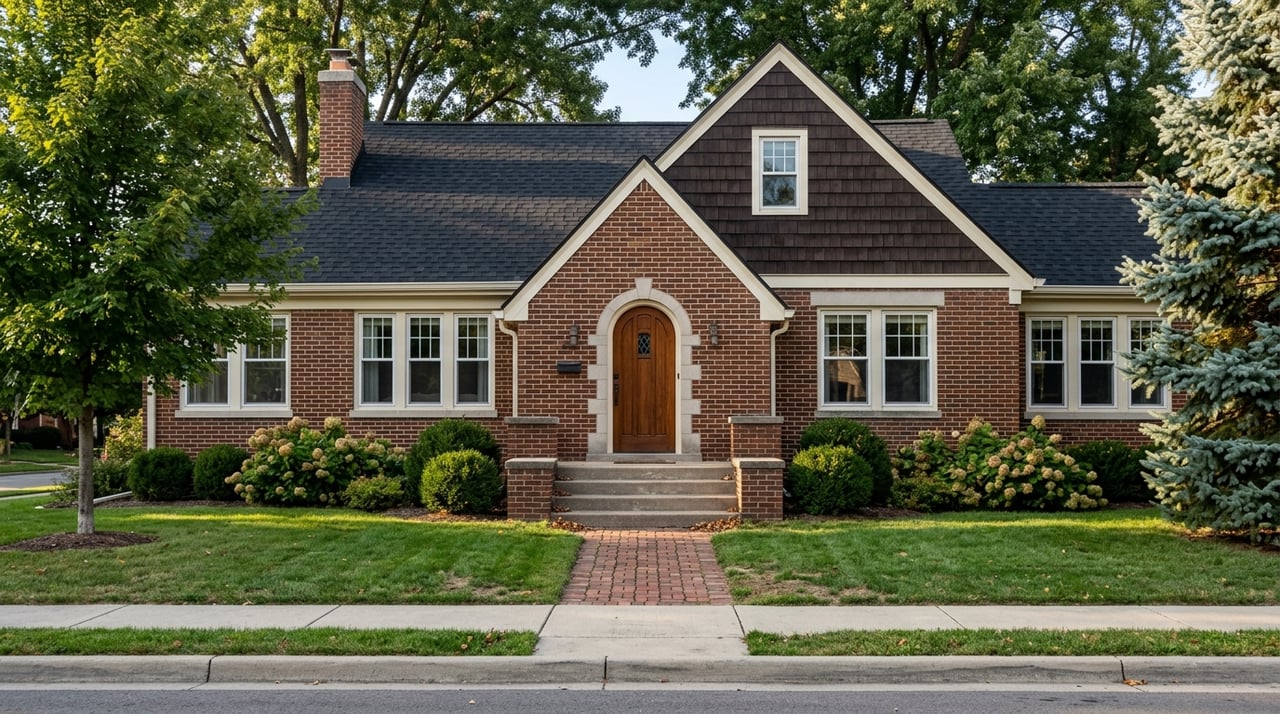
Thinking about buying in Park Hill? One of the biggest surprises for buyers is how many different home styles can show up from one block to the next. That variety is part of the neighborhood’s appeal, but it also means the right fit depends on how you live, what updates you can handle, and how much original character you want to preserve. This guide will help you understand the main home styles you’re likely to see in Park Hill and what each one can mean for your day-to-day life. Let’s dive in.
Why Park Hill Has So Much Variety
Park Hill was platted in 1887 and built out over several decades, with major building periods in the 1920s and 1930s and again in the 1940s and 1950s. That timeline helps explain why the neighborhood includes everything from Victorian remnants to early Arts-and-Crafts homes and modest mid-century houses.
You can also see that history in the streetscape. East 17th Avenue Parkway is known as a wide, tree-lined thoroughfare with landscaped medians and large houses, while other parts of Park Hill show a more modest residential scale. As you tour homes, it helps to expect variety rather than one single architectural look.
Another important detail is that many Park Hill homes are hybrids. In other words, you may find a house with the basic shape of a Denver Square and details borrowed from Craftsman design. That overlap is normal here, and it is one reason local, block-by-block guidance matters when comparing homes.
Tudor Revival Homes
Tudor Revival is one of the styles buyers often notice first because it has such a distinct look. In Denver, these homes typically feature steeply pitched roofs, cross-gables, asymmetrical shapes, tall narrow windows, large chimneys, and a mix of brick, stucco, or stone. Some also include decorative half-timbering.
In Park Hill, Tudor homes are part of the local housing mix, even when they are not perfect textbook examples. Many feel more formal than later postwar homes, and they often have a stronger vertical presence from the street. If you like a house with architectural detail and a sense of drama, this style may appeal to you.
From a practical standpoint, Tudor homes can be more involved to maintain and remodel. Their rooflines are often more complex, and multiple exterior materials can require more specialized repair work. If you are considering one, it is smart to pay close attention to the condition of masonry, stucco, windows, and chimneys.
If you plan to update a Tudor, preserving the home’s defining features usually matters. Repairing original materials with compatible materials and keeping additions in scale with the original massing can help maintain the home’s character. That is especially important if you value long-term curb appeal and future resale presentation.
What Tudor Buyers Should Notice
- Roof complexity and age
- Condition of brick, stone, or stucco surfaces
- Original window condition
- Chimney maintenance needs
- Whether planned updates would change the home’s overall shape
Bungalows and Craftsman Homes
If you want something that feels inviting and a little more relaxed, Park Hill’s bungalow and Craftsman homes are worth a close look. These homes reflect the neighborhood’s early-twentieth-century Arts-and-Crafts growth and often include low-pitched roofs, wide eaves, exposed rafters or braces, and full or partial front porches.
In daily life, bungalows often feel more compact and porch-centered than Tudor homes. Their layouts are usually more informal and less segmented, which can be appealing if you like a comfortable flow without too much formality. They also tend to have a strong connection between the front porch and the street.
Park Hill includes homes where Craftsman features overlap with other forms. A local example described as a basic Foursquare plan with Craftsman brackets shows how blended these styles can be. That means you may find a home that gives you the practicality of a square layout with the warmth of Craftsman detailing.
For maintenance, buyers should look closely at porch framing, roof edges, wood trim, and original windows. If you are thinking about adding space later, rear additions are often easier to absorb without disrupting the front façade or porch proportions. That can make a big difference if preserving the original street presence matters to you.
What Craftsman Buyers Should Notice
- Porch structure and condition
- Wood trim wear and repair needs
- Roof edge details and drainage
- Original window upkeep
- How much of the front façade remains intact
Denver Squares in Park Hill
The American Foursquare is so closely associated with the city that it is often called the Denver Square. This form is typically identified by a square plan, hipped roof, centered dormer, and full-width porch. In a neighborhood like Park Hill, that straightforward shape can be a real advantage for buyers who want character without an overly complicated footprint.
Compared with Tudor homes, Denver Squares usually feel more regular and symmetrical. That boxier layout can make room-by-room updates feel more predictable, and future additions may be easier to plan while still respecting the original form. If you want a historic home with a practical layout, this style often deserves serious consideration.
Park Hill has local examples that blend Denver Square form with Craftsman details. That mix is part of what gives the neighborhood so much visual interest. It also means buyers should evaluate both the overall structure and the stylistic details instead of relying on one label alone.
When updating a Denver Square, the porch, dormer, roof shape, and window rhythm are especially important. Even if the interior has already been modernized, those exterior elements usually define the home’s identity from the street. Preserving them can help the home retain both character and visual balance.
Midcentury Homes
Park Hill’s second major construction wave in the 1940s and 1950s brought many modest midcentury homes to the neighborhood. These homes generally have lower-pitched roofs, broad rectangular forms, a wider range of window types, and features like recessed entries, porches, patios, or deck connections.
For many buyers, midcentury homes feel simpler, brighter, and more relaxed than earlier styles. They often offer an easier indoor-outdoor connection and a less formal façade. If your priority is clean lines, natural light, and a house that may be simpler to modernize, this style can be a strong fit.
In general, these homes can be among the most straightforward to update without losing their basic character. That said, additions still need to be scaled carefully so they do not overpower the original horizontal form. A thoughtful renovation usually works better than one that tries to make the house something it never was.
This is also where local rules matter. In Denver, most construction, alteration, or repair work requires permits, and exterior changes to designated landmarks or properties in historic districts are reviewed by Landmark Preservation. The city says that review generally does not apply to interiors, paint colors, or general maintenance.
What Midcentury Buyers Should Notice
- Original horizontal massing
- Window condition and size changes over time
- Patio, deck, or rear-yard connections
- Whether previous additions match the original scale
- Permit planning for future exterior work
How to Compare Styles as a Buyer
The best home style for you depends on more than curb appeal. Park Hill’s architecture affects how a house lives, how it may age, and how easy it could be to update. A beautiful exterior matters, but so does matching the home’s form to your lifestyle and renovation goals.
Here is a simple way to think about the four main styles:
Style | Common Feel | Typical Buyer Appeal | Key Watch-Out |
|---|---|---|---|
Tudor Revival | Formal and detailed | Strong character and presence | More complex exterior maintenance |
Bungalow/Craftsman | Cozy and porch-centered | Warm details and informal layout | Wood trim and porch upkeep |
Denver Square | Balanced and practical | Historic character with workable layout | Preserve porch, dormer, and symmetry |
Midcentury | Light and relaxed | Easier modernization and simpler lines | Additions should respect horizontal scale |
As you tour homes, try asking yourself a few questions:
- Do you want a more formal or more casual layout?
- Are you comfortable maintaining original materials and details?
- Do you plan to renovate soon or live with the home as-is?
- Would you prefer a compact footprint or a broader, more open feel?
- How important is preserving historic character during future updates?
Why Style Knowledge Helps You Buy Smarter
Knowing the basic home styles in Park Hill can help you spot value and avoid surprises. It can shape how you compare homes, estimate likely upkeep, and think about future improvements before you make an offer. That is especially helpful in a neighborhood where style lines often blur and no two homes feel exactly the same.
It also helps you look past surface-level staging. A Tudor’s charm, a Craftsman porch, a Denver Square’s symmetry, or a midcentury home’s light-filled simplicity can all be appealing, but each comes with different tradeoffs. When you understand those tradeoffs, you can make a more confident decision.
If you are buying in Park Hill, it helps to have guidance that goes beyond square footage and finishes. Understanding architecture, condition, and neighborhood context together can give you a clearer picture of what fits your goals now and what will still feel right years from now.
If you want help evaluating Park Hill homes block by block, comparing renovation potential, or narrowing in on the right fit for your lifestyle, reach out to Stephen LaPorta. You’ll get thoughtful, local guidance rooted in Denver neighborhood knowledge and a clear buying strategy.
FAQs
What home styles are most common in Park Hill, Denver?
- In Park Hill, you are likely to see Tudor Revival homes, bungalow and Craftsman homes, Denver Squares, midcentury homes, and some earlier Victorian remnants.
What should buyers know about Tudor homes in Park Hill?
- Tudor homes in Park Hill often have steep roofs, mixed exterior materials, tall narrow windows, and large chimneys, which can create strong curb appeal but may also mean more involved maintenance and remodeling.
How can buyers identify a Denver Square in Park Hill?
- A Denver Square usually has a square plan, hipped roof, centered dormer, and full-width porch, though some Park Hill examples also include Craftsman details.
Are midcentury homes in Park Hill easier to renovate?
- Many midcentury homes are more straightforward to modernize than earlier styles, but additions should still be scaled carefully so they do not overpower the original horizontal form.
Do historic review rules affect Park Hill home updates?
- In Denver, most construction, alteration, or repair work requires permits, and exterior changes to designated landmarks or historic-district properties are reviewed by Landmark Preservation, while interiors, paint colors, and general maintenance generally are not.