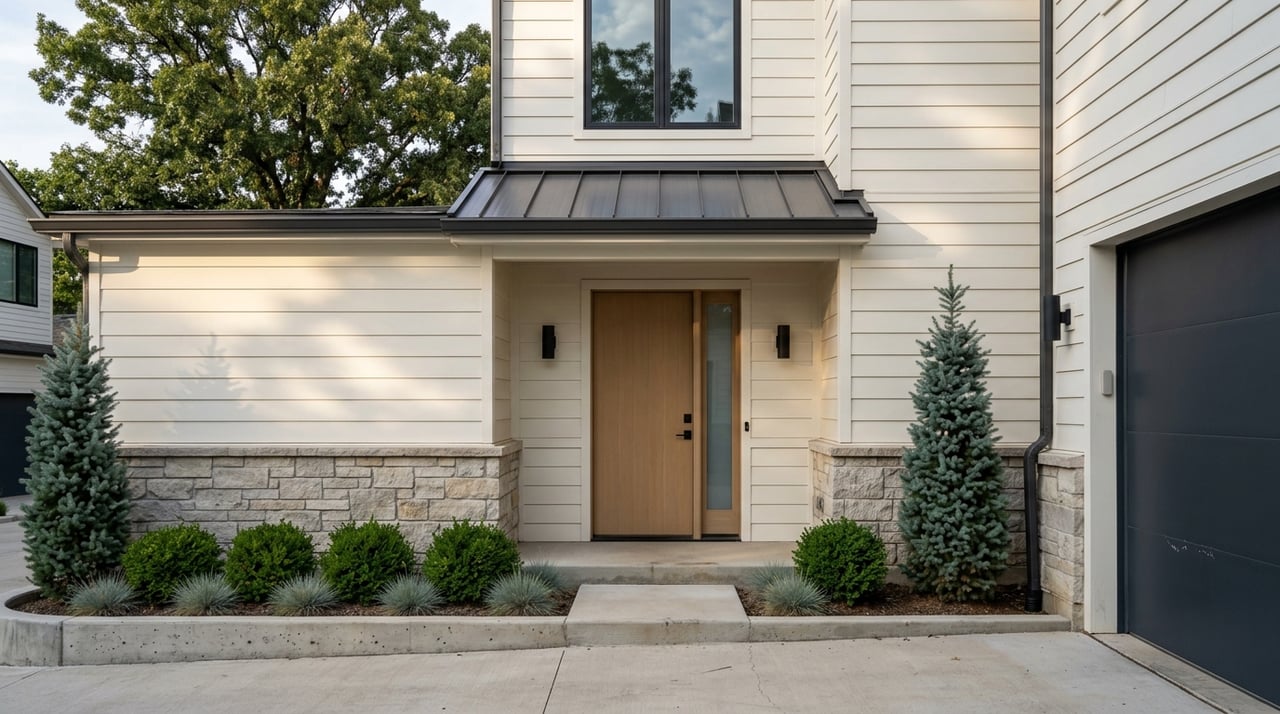
If you love the idea of a prestigious Country Club address but do not want a house that ties you to constant upkeep, you are not alone. Many Denver buyers want beautiful surroundings, strong location appeal, and easier day-to-day ownership, especially if they travel often or split time between homes. The good news is that lock-and-leave living is possible here, but it looks different in Country Club than it does in newer condo-heavy neighborhoods. Let’s dive in.
Why lock-and-leave is different here
Country Club is a historic Denver neighborhood developed alongside the Denver Country Club in the early 1900s. It became a Landmark District in 1990, and the neighborhood association says it contains about 375 to 380 residences, with most homes built between 1902 and 1945. The area is known for generous lots, wide streets, and a park-like feel.
That character is a big part of the neighborhood’s appeal, but it also means true lock-and-leave options are limited in the historic core. Most properties are substantial detached homes rather than condos or maintenance-light attached residences. If you want lower-maintenance living, you will likely be looking at a smaller subset of homes in Country Club itself or comparing options just outside the neighborhood.
What lock-and-leave usually means
For most buyers, lock-and-leave living means a home that is easier to secure and maintain when you are away. That often includes less exterior work, less yard care, and a more predictable ownership routine. In some cases, it also means HOA-managed common areas or shared building maintenance.
In Country Club and the surrounding area, that lifestyle usually comes with tradeoffs. You may gain convenience, but you might give up lot size, privacy, or flexibility for exterior changes. You may also need to work within HOA rules or historic district requirements.
Best-fit property types near Country Club
Smaller detached homes in Country Club
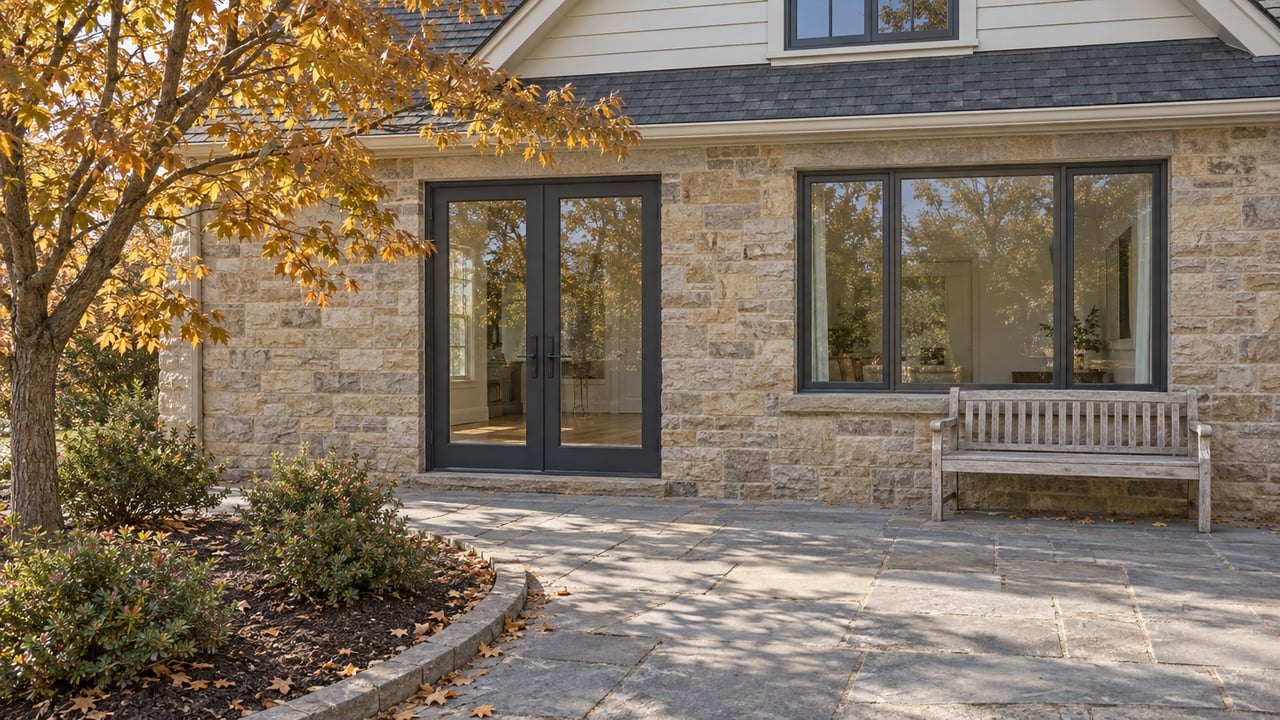
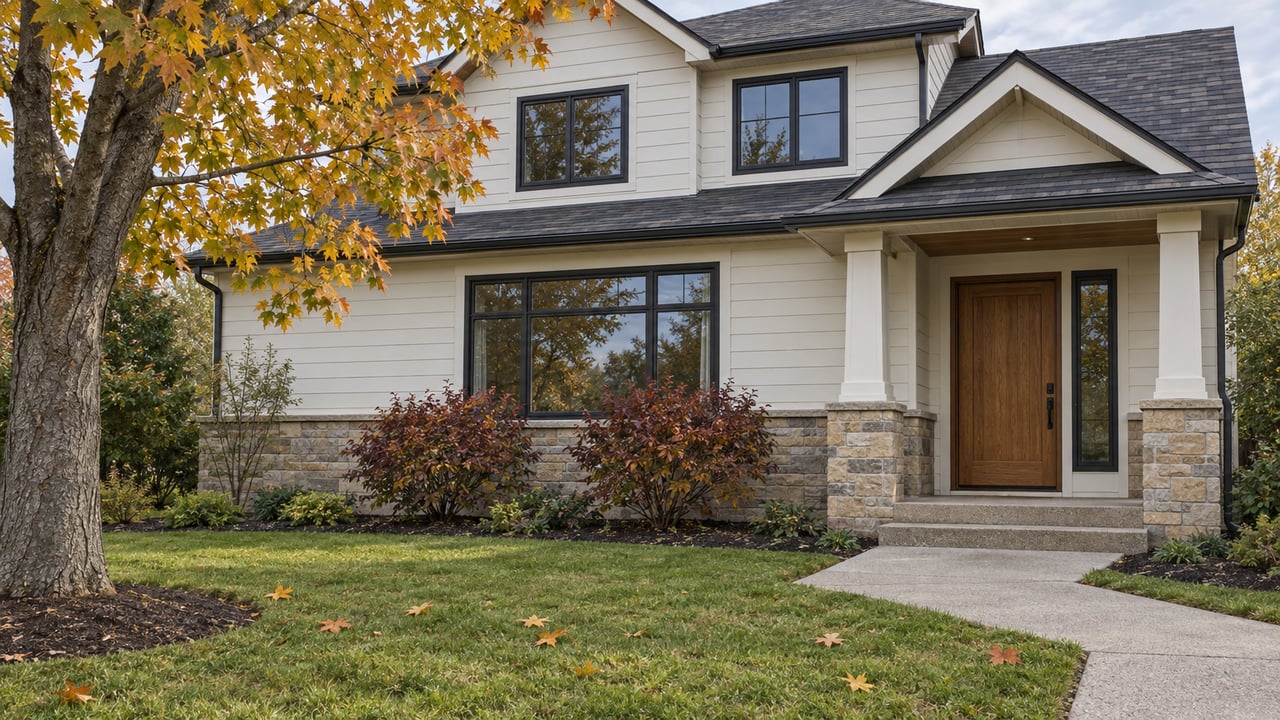
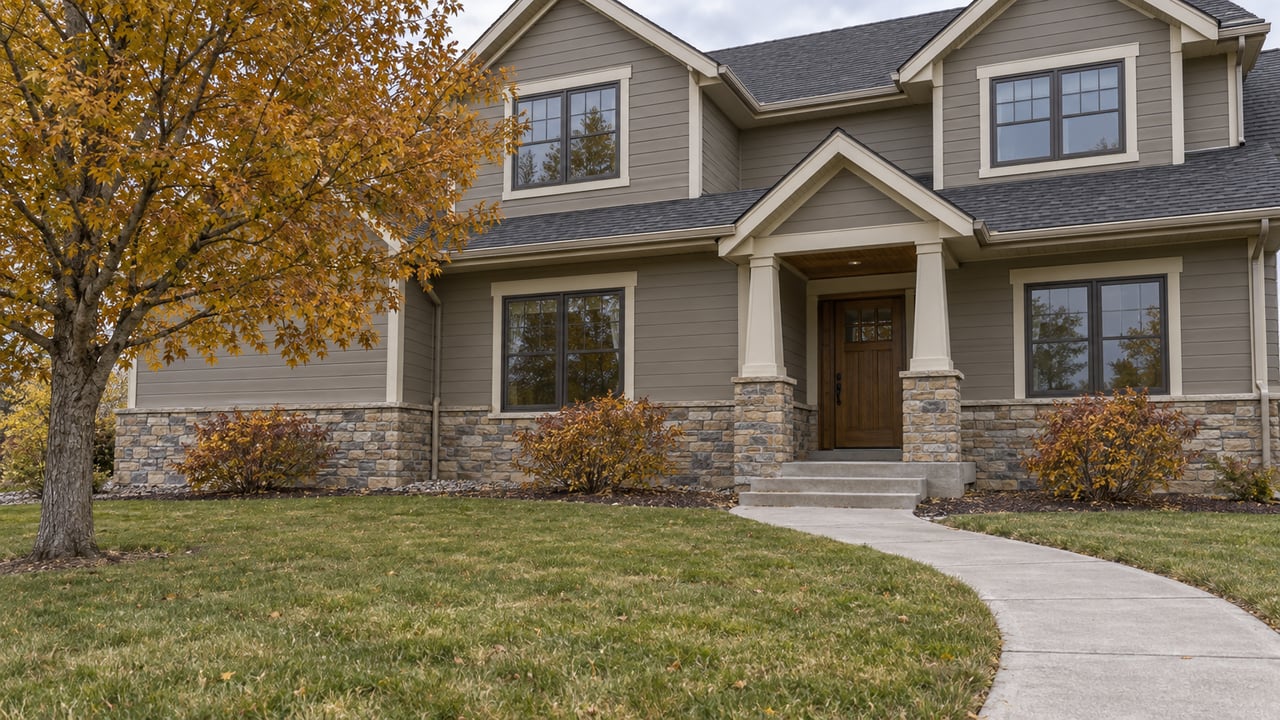
If you want to stay inside Country Club, the most practical lock-and-leave choice is often a smaller detached home rather than one of the larger estate-style properties. These homes can still offer the neighborhood’s architectural character and location benefits, but they may involve less landscaping and exterior maintenance than the biggest homes in the district.
That said, even smaller single-family homes here are not the same as a low-maintenance condo. The historic setting, lot layout, and design sensitivity can still add upkeep responsibilities. You will want to look closely at exterior condition, yard demands, and any likely repair cycle before you buy.
Attached homes and townhomes nearby
Attached homes and townhomes are more likely to be found in the broader Cherry Creek area than in the center of Country Club. For many buyers, this is where the lock-and-leave conversation becomes more realistic. These homes often reduce yard work and exterior responsibilities, which can be especially appealing if you travel frequently.
The tradeoff is that attached ownership often comes with HOA dues and more rules. You may have less control over exterior changes, and shared walls or common areas can affect privacy. Still, for buyers focused on convenience, this category is often a strong middle ground.
Condos near Country Club
Condo living is better thought of as a nearby option rather than a true Country Club product. Because the historic district is low density and dominated by detached homes, condo buyers are typically comparing the Country Club lifestyle with nearby Cherry Creek or downtown-adjacent buildings.
For some buyers, that comparison makes sense. A condo can offer simpler maintenance and easier travel, while still keeping you close to Country Club, Cherry Creek, and Downtown Denver. If your top priority is ease of ownership, nearby condos may check more boxes than a historic single-family home.
Key tradeoffs to weigh
Before you focus only on style or address, it helps to be clear about what you are giving up and what you are gaining. In this part of Denver, lock-and-leave living is rarely perfect. It is usually a matter of choosing the tradeoffs that fit your routine.
Here are the main comparisons to keep in mind:
- Larger historic homes: More space, more grounds to maintain, and more exterior care
- Smaller detached homes: Better fit for lower maintenance, but still owner-heavy compared with condos
- Townhomes or attached homes: Less yard work and easier travel, but more HOA structure
- Condos nearby: Highest convenience for many buyers, but usually less private outdoor space and stricter building rules
HOA due diligence matters more than you think
If you are considering a condo, townhome, or any HOA-governed property, due diligence is essential. Colorado DORA recommends reviewing the declaration or CC&Rs, plat map, common elements, how assessments are determined, and restrictions on what owners may do with the property.
DORA also advises buyers to watch for signs of deferred maintenance that could lead to a special assessment, ask whether the HOA is involved in litigation, and confirm that the HOA is properly registered. Those details matter even more when you want a home that is supposed to be simple and predictable while you are away.
A smart question to ask is very practical: What exactly does the HOA maintain, and what still falls on you? One building may cover exterior maintenance, snow removal, and common-area upkeep. Another may leave more responsibility with the owner than you expect.
Insurance questions to ask early
Insurance is another important part of lock-and-leave planning. Colorado’s Division of Insurance advises consumers to review homeowners or renters coverage regularly and to think about liability and flood exposure.
For condo and townhome buyers, the key issue is often how the HOA’s policy and your own policy work together. You want to understand what the master policy covers and what gaps you may need to cover personally. That can make a big difference in both risk and monthly ownership costs.
Parking and garage access can be a deciding factor
Parking is easy to overlook until it becomes a daily frustration. In Country Club, the historic design guidelines note that not all blocks have alleys, many homes use curb cuts for driveways, and additional curb cuts are discouraged. Historically, garages were often placed at the rear of the property.
For a lock-and-leave buyer, this makes parking due diligence especially important. You should confirm:
- Whether parking is deeded, assigned, or informal
- How easy garage access is for daily use
- Whether there is guest parking
- Whether any parking changes or driveway modifications would be difficult to approve
If you want maximum convenience, parking should be part of your decision from the start, not an afterthought.
Historic district rules can affect low-maintenance upgrades
Country Club’s historic status is a major part of its identity, but it can also shape what you can change. The City and County of Denver states that exterior alterations, additions, new construction, signs, and non-vegetative site work in historic districts require Landmark Preservation review and approval before permits are issued.
That matters if you are hoping to simplify ownership through exterior updates. New fencing, hardscape work, garage changes, or other outside modifications may require review. If part of your lock-and-leave plan involves changing the exterior to reduce upkeep, this should be checked before you move forward.
Security and travel-friendly ownership
For buyers who are away often, security is a major concern. The neighborhood association says membership dues provide security services for the neighborhood, which can be an appealing feature in a travel-friendly ownership plan.
Even so, you should verify exactly what those services include. Coverage, scope, and budgeting can vary, so it is worth reviewing the association’s rules and financial details carefully. If peace of mind matters to you, ask direct questions and get clear answers.
Who is a good fit for Country Club lock-and-leave living?
You may be a strong fit if you want the Country Club setting but are realistic about what low-maintenance ownership looks like here. This area can work well for buyers who value location, architecture, and neighborhood character, yet are open to smaller detached homes or nearby attached options.
You may need to broaden your search if your top goal is the easiest possible ownership experience. In many cases, the most lock-and-leave-friendly properties will be the smallest detached homes, select attached homes, or nearby condos rather than the classic larger homes inside the landmark district.
How to shop smart in this niche market
A focused strategy can save you time and help you avoid buying the wrong kind of convenience. Instead of asking only whether a home is beautiful, ask whether it actually supports the way you live.
As you compare options, pay close attention to:
- Exterior maintenance demands
- HOA coverage and restrictions
- Insurance structure
- Parking and garage function
- Historic review requirements for future changes
- Security features and neighborhood services
- How often you plan to be away from home
In a niche market like Country Club, these details often matter just as much as square footage or finishes.
If you are sorting through Country Club, Cherry Creek, or nearby condo and townhome options, a neighborhood-specific approach can make the decision much clearer. Stephen LaPorta can help you compare property types, weigh maintenance tradeoffs, and build a buying strategy that fits how you actually want to live.
FAQs
What are the best lock-and-leave homes in Denver’s Country Club?
- In most cases, the best fit is usually a smaller detached home in Country Club, a select attached home nearby, or a nearby condo rather than a larger historic estate.
Are there many condos in Denver’s Country Club neighborhood?
- Condo options are generally better described as nearby rather than part of the historic Country Club core, which is mostly low-density detached housing.
Do Country Club townhomes offer lower maintenance?
- Townhomes and attached homes often reduce yard work and some exterior maintenance, but they usually come with HOA dues and rules.
What should buyers review in a Colorado HOA before buying?
- Colorado DORA recommends reviewing the CC&Rs, plat map, common elements, assessments, owner restrictions, deferred maintenance concerns, litigation status, and HOA registration.
Do historic district rules affect exterior home changes in Country Club?
- Yes. Denver requires Landmark Preservation review and approval for exterior alterations, additions, new construction, signs, and non-vegetative site work in historic districts before permits are issued.
Why is parking important for lock-and-leave living in Country Club?
- Because not all blocks have alleys and additional curb cuts are discouraged, buyers should verify garage access, guest parking, and how parking is assigned or configured before buying.