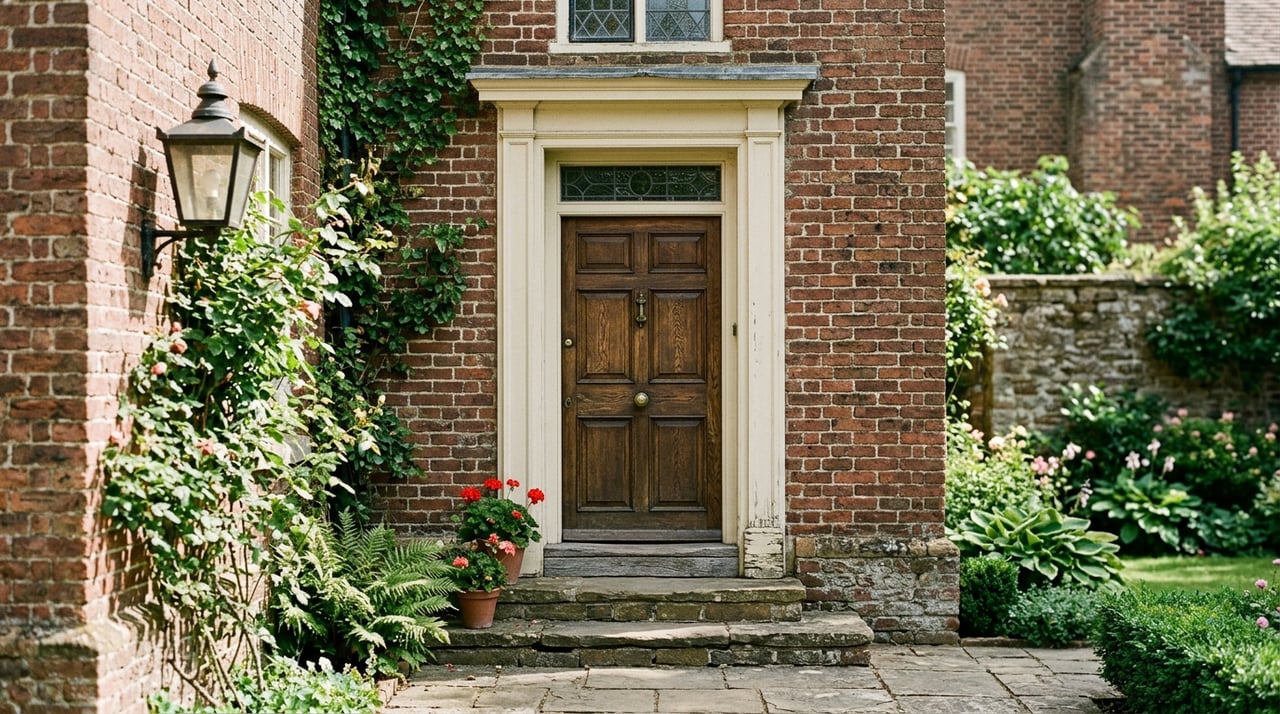
Wondering what it’s really like to own a historic home in Denver’s Country Club? You are not just buying square footage here. You are taking on a piece of Denver history, with all the beauty, responsibility, and long-term value that can come with it. If you are considering a purchase, planning updates, or thinking ahead to resale, this guide will help you understand what matters most. Let’s dive in.
Why Country Club Stands Out
Denver’s Country Club Historic District is not just a well-known neighborhood. It is a locally designated Denver Landmark District, and part of it was also listed in the National Register of Historic Places. According to the Country Club Historic District design guidelines, the district includes about 380 residences, with most built between 1902 and 1945.
That history shapes the neighborhood you see today. The district is known for larger lots, broad streets, parkways, and homes with a more spacious pattern than Denver’s typical grid. It sits near Cherry Creek and Downtown Denver, giving you access to shopping, dining, parks, and cultural destinations while still feeling distinct in its layout and architecture.
What Defines a Historic Home Here
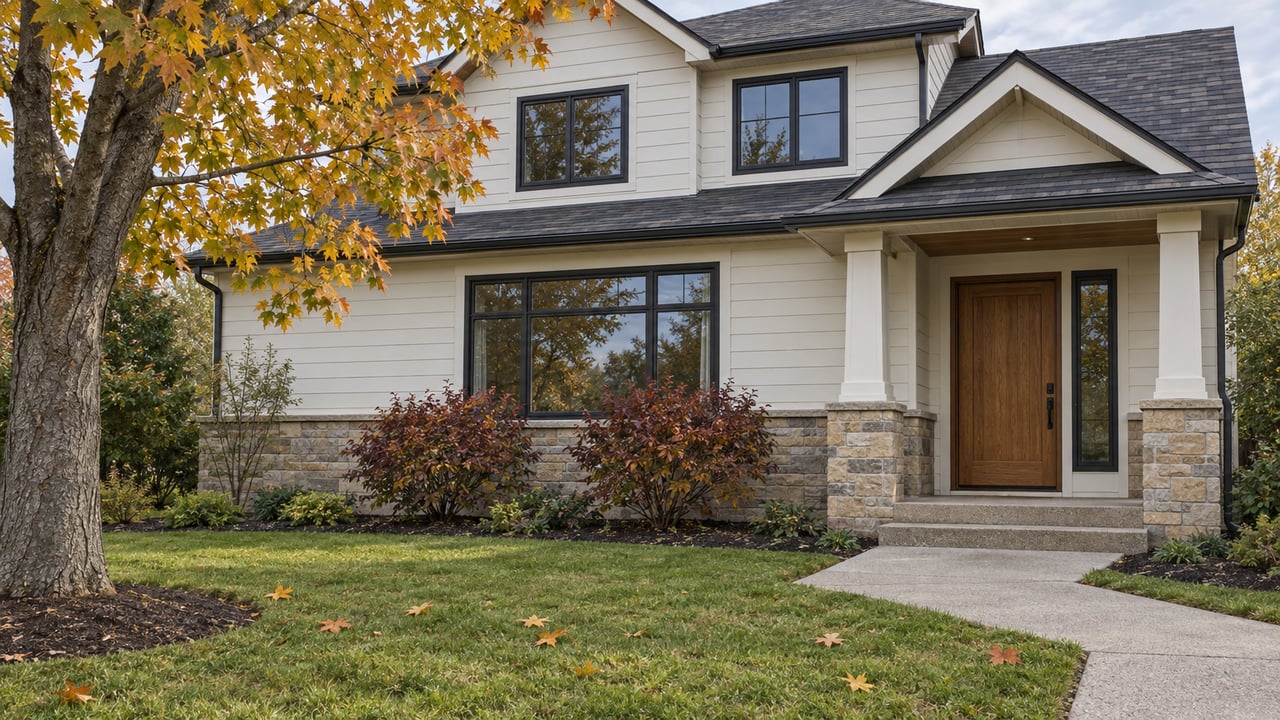
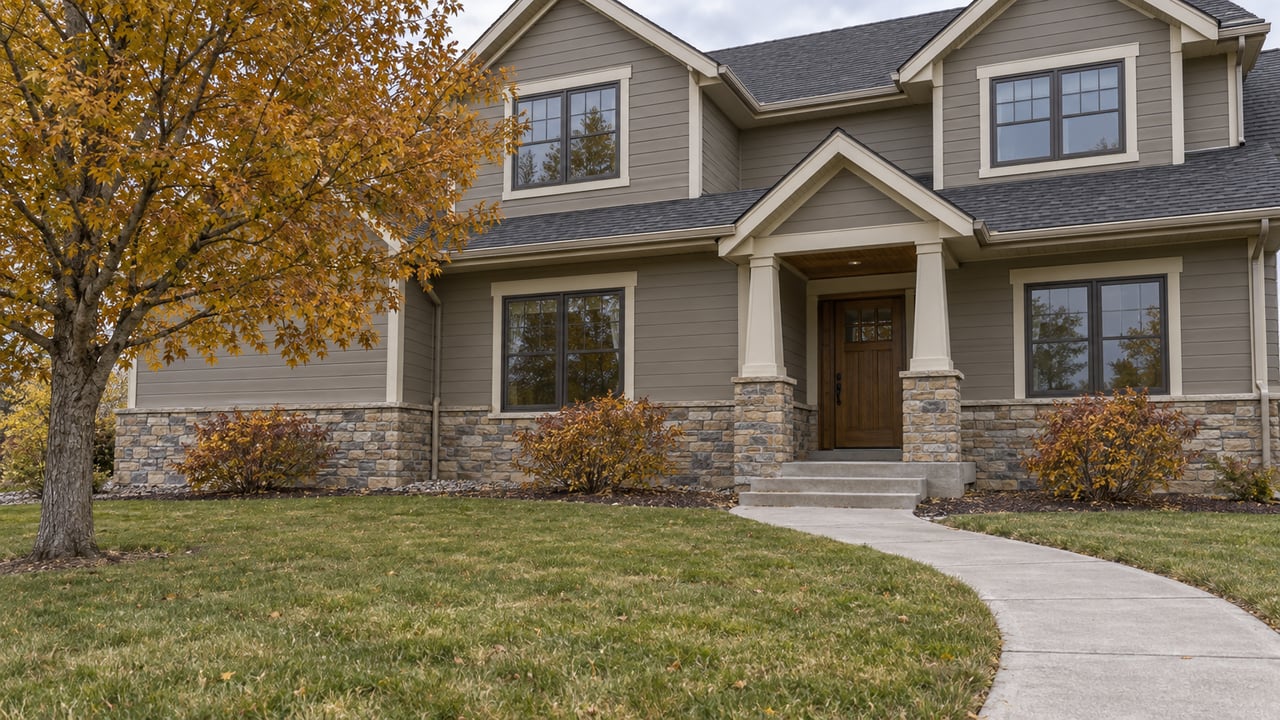
Country Club homes are not all the same, but the district has a clear architectural identity. Denver notes that many homes are 1.5- to 2-story houses with a horizontal feel, and common styles include Denver Squares, Colonial Revival, Mediterranean Revival, and a smaller number of bungalows.
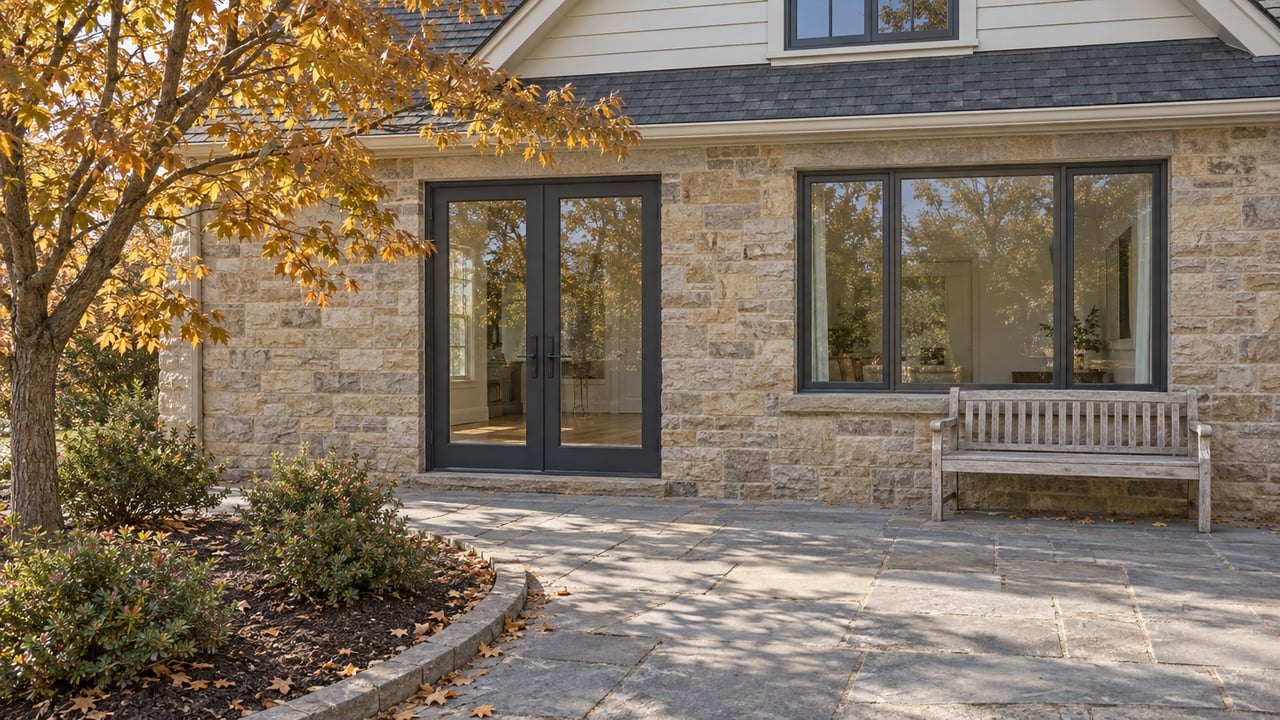
The details matter. Character-defining features often include masonry exteriors, steep hip or gable roofs, broad eaves, dormers, prominent chimneys, inset windows, and one-story porches or porticos. Brick and stucco are especially common, and front yards are typically open in appearance, often with low or view-through fencing rather than tall solid barriers.
Historic Ownership Comes With Stewardship
Owning in Country Club means more than maintaining a beautiful older home. It also means understanding that the district’s appearance and historic integrity are protected through local review.
The City and County of Denver requires Landmark Preservation review for exterior work, development, and demolition on properties in historic districts. As the city explains on its Landmark Design Review page, approved projects receive a Certificate of Appropriateness, or COA, which must be secured before later building or zoning permit applications move forward.
What usually needs review
If you are planning work on a Country Club home, most exterior changes should be assumed to need review first. Denver specifically notes that additions and new construction in a historic district require a COA, and its permit guidance also flags projects like decks, fences, walls, and solar installations when the property is in a historic district.
In practical terms, review often applies to projects such as:
- Additions
- New garages or secondary structures
- Exterior alterations
- Fences and walls
- Decks
- Solar projects
- Demolition
A minor interior remodel with no exterior changes is the main exception noted by the city on its single-family and duplex permit page.
Why early planning matters
One of the biggest mistakes buyers and homeowners can make is treating historic review as an afterthought. In Country Club, district-specific rules work alongside Denver’s broader preservation standards. The district guidelines are an addendum to the citywide landmark guidelines, which means if one document does not address your project directly, another layer of review may still apply.
That is why it helps to think in stages:
- Understand the district context.
- Review the applicable preservation guidelines.
- Confirm permit and zoning requirements.
- Finalize project scope and timing.
Smart Updates That Respect the Home
A historic home does not need to stay frozen in time. You can make thoughtful updates that improve function, comfort, and efficiency while still respecting the property’s original design.
In Country Club, the guidelines strongly favor additions and secondary structures placed toward the rear or side of the lot rather than at the front. Rear garages are preferred, front yards are intended to remain visually open, and lower or transparent front fencing is generally more compatible with the district’s character.
The guidelines also favor muted earth-tone colors and discourage synthetic or panelized primary materials. On primary structures, large standing-seam metal roof surfaces are also discouraged.
Best areas to protect
If you want to preserve what gives these homes their identity, focus on the features that most shape curb appeal and architectural integrity:
- Masonry-heavy exterior materials
- Original roof shape
- Porch and entry proportions
- Original window openings
- The open front-yard streetscape
These are not just design details. They are part of what makes Country Club recognizable and historically significant.
Maintenance Priorities for Older Homes
Historic homes can be incredibly durable, but they reward proactive maintenance. Moisture control is one of the biggest issues to watch.
The National Park Service recommends annual roof inspections, keeping gutters and downspouts clear, repairing flashing, and addressing damaged roofing materials promptly. Its guidance on controlling moisture in historic buildings also recommends compatible mortar when repointing masonry and warns against waterproof coatings on above-grade masonry.
Landscaping choices matter too. Heavy foliage and vines growing against walls, mortar joints, or foundations can contribute to moisture-related problems over time.
Windows often deserve repair first
Historic windows are another key decision point. According to the National Park Service’s guidance on weatherizing historic windows and doors, existing historic windows often outlast replacements, and repair should usually be considered before replacement.
Simple improvements can go a long way, including:
- Caulking
- Weatherstripping
- Glazing repair
- Well-fitted storm windows
That approach can improve comfort and performance without changing the building’s character or original openings.
Energy Efficiency Without Losing Character
A common concern with older homes is efficiency. The good news is that preservation and energy upgrades do not have to work against each other.
The National Park Service recommends starting with an energy audit for a historic building. Tools like blower-door testing and infrared thermography can help identify air leaks, insulation gaps, and thermal weak points so you can focus on the most effective improvements first.
Where upgrades often make sense
For many historic homes, the best early improvements are relatively simple and low impact. Caulking, weatherstripping, and adding insulation in areas where it will not damage historic materials can improve day-to-day comfort.
The National Park Service also notes in its overview of energy efficiency and historic buildings that historic homes may already offer built-in advantages, such as operable windows, wide eaves, and heavy masonry walls. The goal is not to over-seal the house. Ventilation still matters.
How Historic Character Can Affect Resale
If you are thinking long term, preservation is not only about rules. It can also play a role in market identity and buyer appeal.
Research summarized in a study on historic district designation and property values found generally favorable outcomes for well-preserved historic districts, although results vary by market. In Country Club, that idea is especially relevant because the district’s value is closely tied to physical integrity, architectural style, and the consistency of the streetscape.
For buyers, that can mean confidence in the neighborhood’s visual continuity. For sellers, it can mean that preserving original features and making compatible updates may support stronger positioning when it is time to list.
What Buyers Should Ask Before Making an Offer
If you are shopping for a historic home in Country Club, due diligence matters. The right questions can save you time, money, and surprises after closing.
Consider asking:
- What exterior changes have been made, and were they reviewed if required?
- Are original windows, masonry, rooflines, and porches still intact?
- Has the home had recent roof, gutter, or flashing work?
- Are there signs of deferred maintenance or moisture issues?
- If you want to add on later, where might an addition fit best within the lot and guidelines?
A home can be beautiful and still require a clear ownership plan. Knowing what you are buying helps you make a more confident decision.
Why Local Guidance Matters
Historic homes are never just about aesthetics. They involve design guidelines, maintenance strategy, and resale positioning all at once. In a neighborhood like Country Club, that mix can feel exciting, but it also calls for careful planning.
Whether you are buying a historic property or preparing one for sale, working with someone who understands Denver’s neighborhood context can make the process smoother. If you want a thoughtful, data-driven conversation about Country Club real estate, connect with Stephen LaPorta for personalized guidance.
FAQs
What makes Denver’s Country Club a historic district?
- Country Club is a locally designated Denver Landmark District, recognized for its historical, architectural, and geographical significance, with most homes built between 1902 and 1945.
What changes to a Country Club historic home usually need city review?
- Most exterior work, including additions, decks, fences, walls, solar projects, new construction, and demolition, typically needs Landmark Preservation review and a Certificate of Appropriateness before permit applications.
Can you remodel the inside of a historic home in Country Club without review?
- A minor interior remodel with no exterior modifications is the main exception noted by Denver and may not require historic review.
What are the most important maintenance issues for a historic home in Country Club?
- Moisture control is a top priority, including roof inspections, clear gutters and downspouts, sound flashing, and proper masonry repair with compatible mortar.
Should you replace original windows in a Country Club historic home?
- Not automatically. National Park Service guidance says historic windows often deserve repair first, with options like caulking, weatherstripping, glazing repair, and storm windows helping improve performance.
Can a historic home in Country Club be made more energy efficient?
- Yes. An energy audit is a strong first step, and careful improvements like air sealing and selective insulation can improve comfort without sacrificing historic character.
Does historic-district status affect resale value in Country Club?
- Research on historic districts is mixed by location, but results are generally favorable for well-preserved districts, and Country Club’s identity is closely tied to its architectural integrity and streetscape.