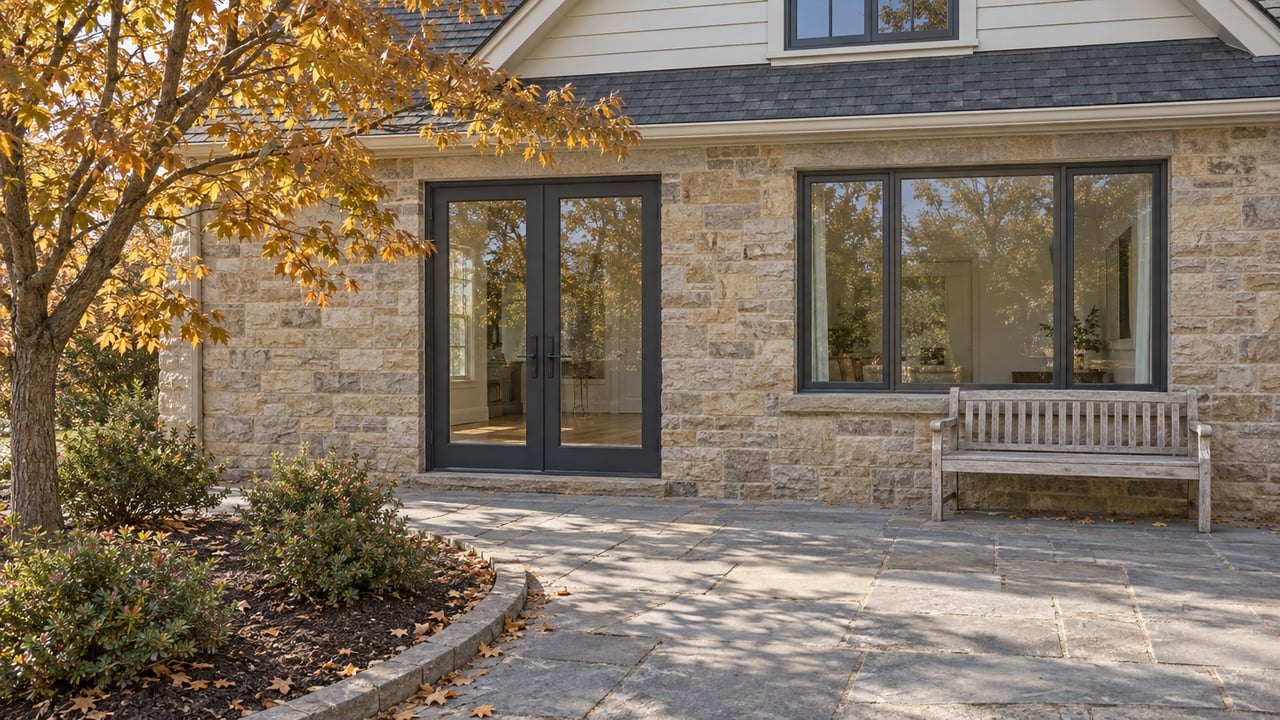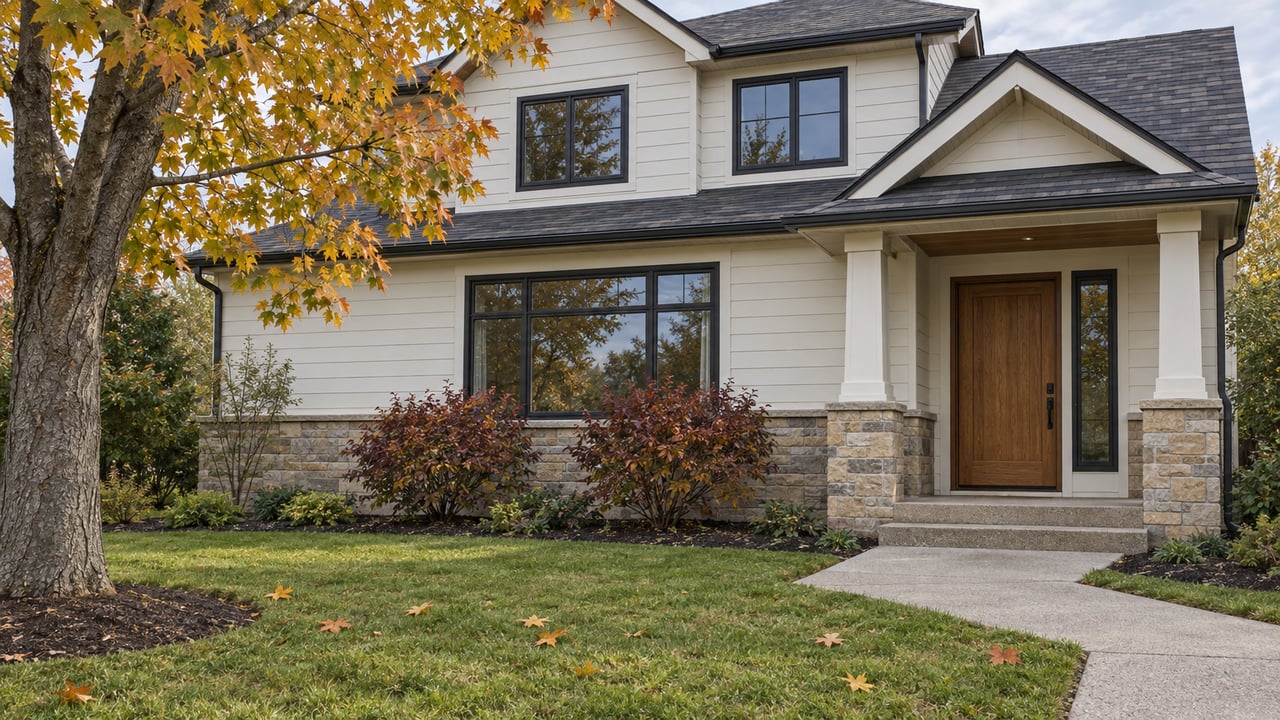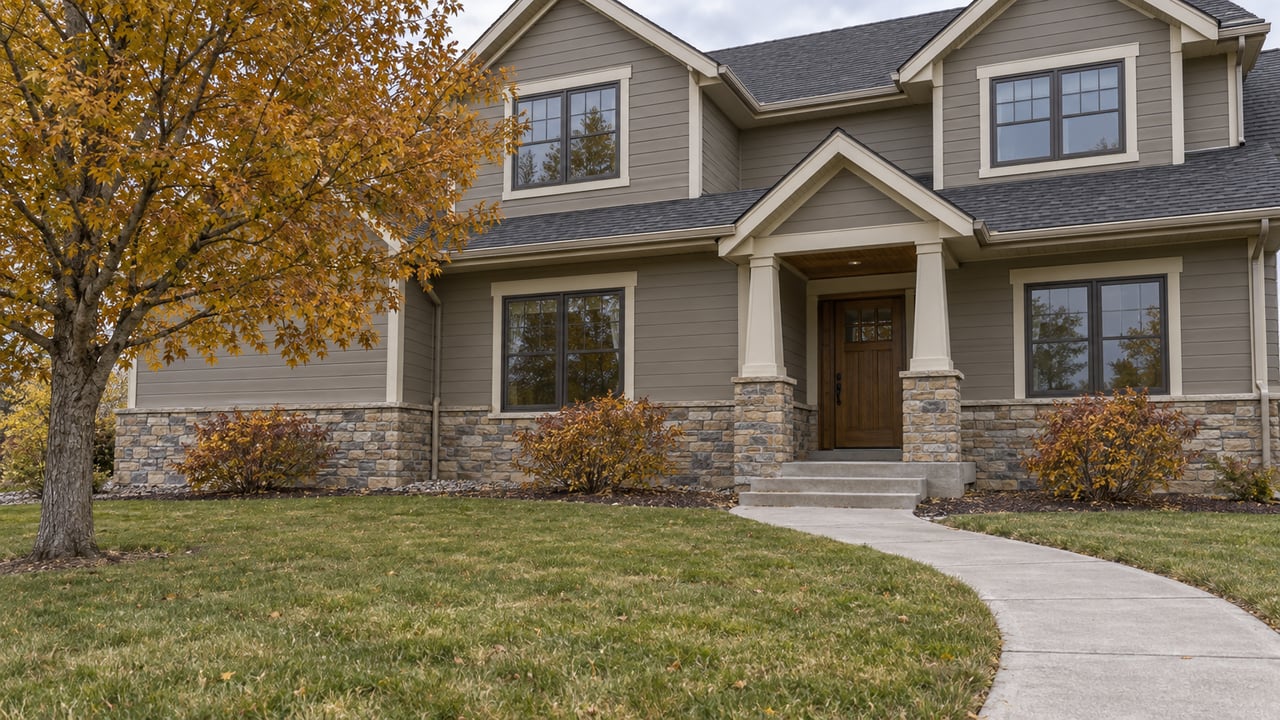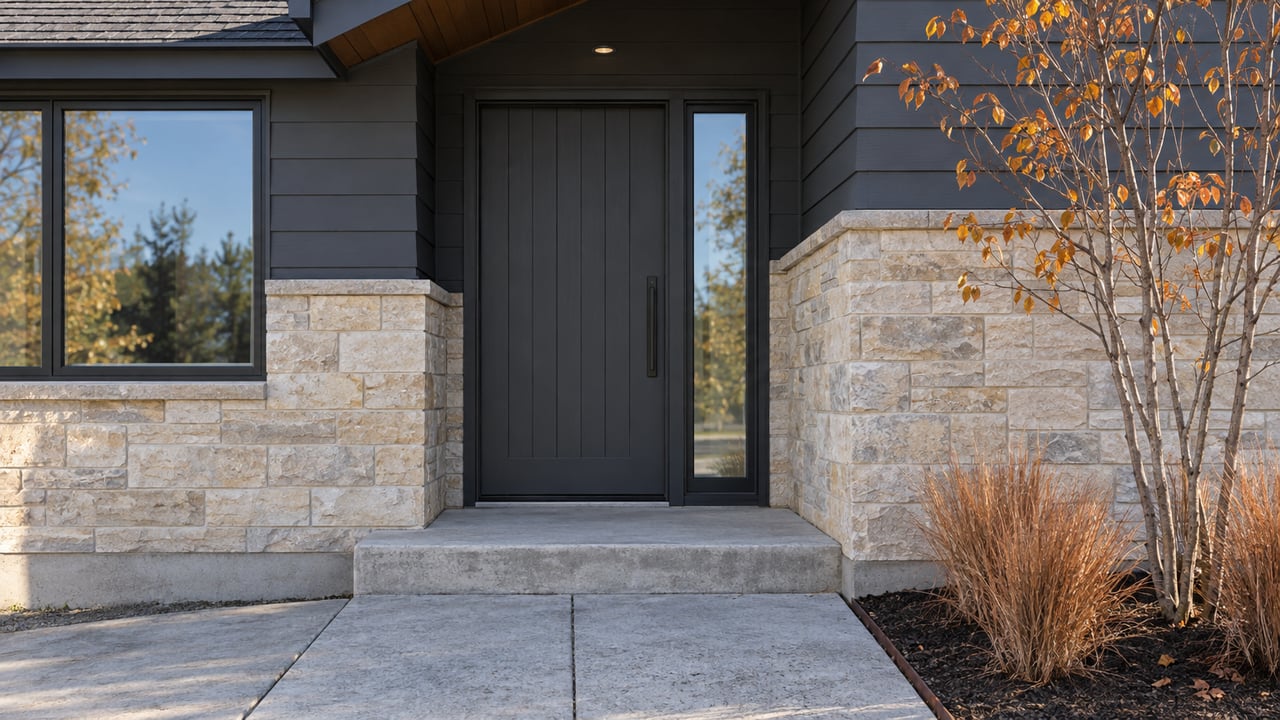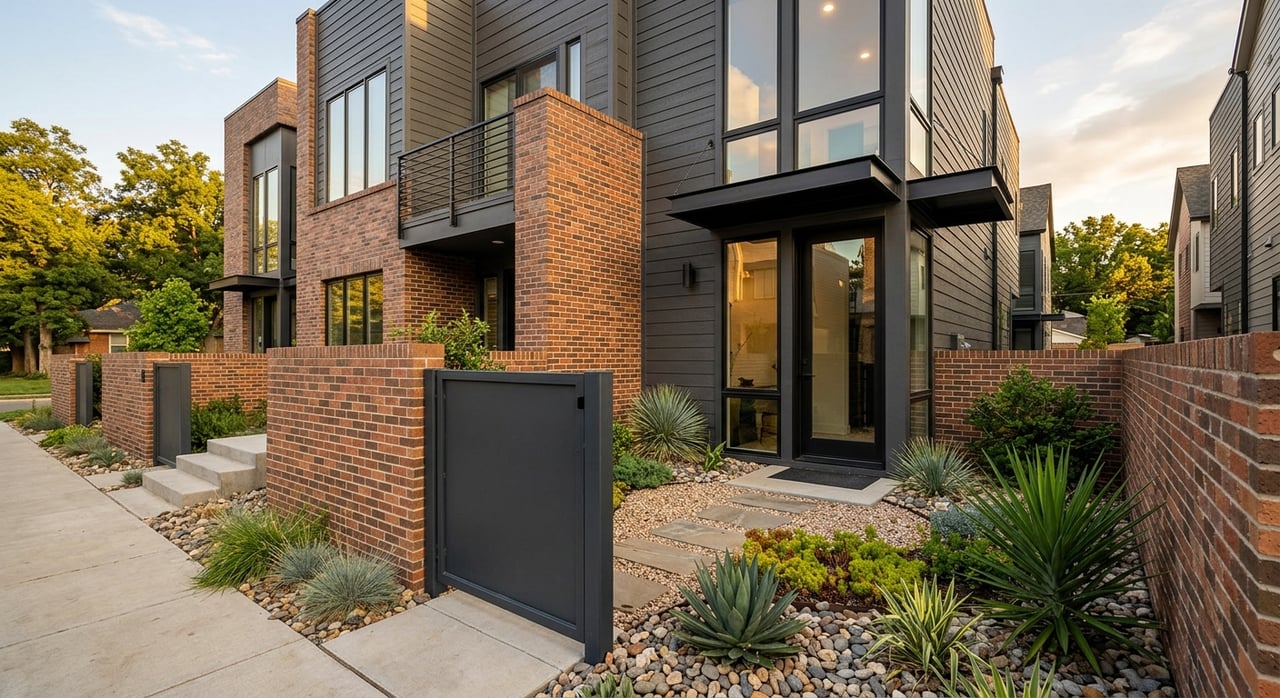
If you want Highland’s close-in location, great dining, and mix of historic character and newer construction, a condo or townhome can be a smart way in. The catch is that attached homes here are not all created equal, even when listings look similar on paper. If you are thinking about buying in Highland, knowing how to compare HOA health, parking, outdoor space, and true ownership costs can help you make a more confident decision. Let’s dive in.
Why Highland Appeals to Attached-Home Buyers
Highland sits just northwest of downtown Denver and is known for its mix of Victorian-era homes and buildings, parks and gardens, independent shops, galleries, and restaurants. Visit Denver’s neighborhood guide also notes the area’s three main districts: Highlands Square, Tennyson Street, and Lower Highland, often called LoHi.
That mix matters if you are considering a condo or townhome. In LoHi especially, you may see old and ultra-modern architecture side by side, along with views of the Highland Bridge and downtown. For many buyers, that location and lifestyle can outweigh the tradeoffs that sometimes come with attached living.
Highland is also a premium submarket. According to Redfin’s Highland housing market snapshot, the median sale price was $753,250 in February 2026, with homes selling in a median of 48 days and a 98.1% sale-to-list ratio. Some homes receive multiple offers, and hot homes can go pending in about 8 days.
Why Price Per Square Foot Is Not Enough
In Highland, a condo or townhome is rarely just about square footage. You are often paying for a combination of location, convenience, finishes, and lower-maintenance living in one of Denver’s most in-demand close-in neighborhoods.
That is why two attached homes with similar size can feel very different in value. One may include secure deeded parking, private outdoor space, and a financially stable HOA. Another may have lower dues but less storage, shared parking, and more uncertainty around future costs.
The better comparison is the full ownership package, including:
- Purchase price
- Monthly HOA dues
- Reserve strength and special-assessment risk
- Parking setup
- Storage options
- Outdoor space rights and maintenance responsibility
- Building condition and common-area upkeep
How Highland’s Historic Layout Can Affect Your Search
Highland’s housing stock is shaped in part by its historic development pattern. Denver’s preservation materials for the Potter Highlands Historic District describe large square blocks, alley-accessed garages, and many narrow lots.
For you as a buyer, that can have a real impact on day-to-day living. Parking, storage, garage access, and private outdoor space may vary more than you expect from one block or building to the next. Even within the same neighborhood label, one property may feel far more functional than another.
This is especially important when you tour older conversions, infill townhomes, and newer condo buildings in the same general area. A listing photo may not tell you whether parking is easy to use, whether storage is truly private, or whether a rooftop deck comes with maintenance obligations.
What To Review in the HOA Documents
In Colorado, condos and townhomes are generally part of a common-interest community. The Colorado HOA Information and Resource Center explains that owners hold title to their unit while also sharing ownership or use of common elements.
That setup makes the HOA documents a major part of your due diligence. The monthly dues matter, but they are only one piece of the picture.
According to DORA’s buyer guidance for HOA communities, regular assessments may be paid monthly, quarterly, or yearly and often fund operations, maintenance, reserves, and sometimes insurance and legal costs. DORA also distinguishes special assessments as one-time charges for major repairs, replacements, or new construction.
Before you move forward on a Highland condo or townhome, review these key items:
- What the dues actually cover
- Whether any special assessments are pending or recently approved
- Financial statements and reserve information
- Recent owner and board meeting minutes
- Rules on pets, parking, exterior changes, and use restrictions
- Whether the HOA is properly registered with the state
Sellers in Colorado must also disclose whether a property is in an HOA and provide important documents, including governing documents, recent meeting minutes, and financial statements if available. They must also disclose known covenant violations and approved special assessments or increases, whether or not those charges have started yet.
Why Reserve Funding Matters
One of the biggest buyer mistakes is focusing only on whether dues seem high or low. A lower monthly payment can look appealing at first, but it may not mean the association is in stronger shape.
DORA’s HOA FAQ page says Colorado does not require reserve studies to occur, but associations must have a reserve-study policy that addresses when a study will take place and whether a funding plan exists for recommended work. That means you should look beyond the dues amount and ask how the association plans for future repairs.
A well-run HOA can help you avoid surprises. An underfunded one may increase the chance of special assessments or deferred maintenance. In Highland, where buildings can range from historic to newly built, that distinction can be especially important.
Compare Parking, Storage, and Outdoor Space Carefully
Parking should be treated as part of value, not just a nice extra. In Highland, where lot sizes and building layouts vary, the difference between deeded parking and a rented space can be meaningful.
As you compare listings, confirm whether parking is:
- Deeded
- Assigned
- Shared
- Covered
- Detached from the unit
- Rented separately
Also ask about guest parking. In some buildings or townhome projects, guest spaces may be very limited.
Outdoor space deserves the same level of scrutiny. A patio, rooftop deck, courtyard, or yard area may be private, shared, or classified as a limited common element. Based on DORA’s guidance on owner and association responsibilities, maintenance obligations can vary depending on how the declaration defines the space.
That means you should verify who handles:
- Snow removal
- Landscaping
- Roof surfaces above decks
- Exterior hardscape
- Fencing or enclosure maintenance
How Highland Attached Homes Compare to the Wider Market
Denver County data helps add context. The January 2026 local market update shows a median sales price of $630,000 for single-family homes and $420,000 for townhouse and condo properties. Attached homes also moved more slowly, with 96 days on market compared with 69 for single-family homes, and they had a higher months supply at 5.2 versus 2.0.
The same report shows a slightly lower sale-to-list price for attached homes at 96.8%, compared with 97.4% for single-family homes. That can suggest somewhat more negotiation room in the attached segment, depending on the property and price point.
Metro data points in a similar direction. DMAR’s January 2026 market trends report shows that attached homes declined 2.01% year over year in median sale price, while detached homes declined 3.61%. The report also notes longer marketing times and high inventory in some high-end attached segments.
In Highland, though, attached homes often behave differently from the broader county average because the neighborhood carries its own location premium. That is why a Highland condo or townhome may still command pricing that is well above Denver County’s overall attached-home median.
When a Condo or Townhome Makes Sense in Highland
A condo or townhome may be the right fit if you want to prioritize location, access, and lower-maintenance living over a larger lot. In Highland, many buyers are willing to make that trade because they value proximity to neighborhood retail, dining, parks, and downtown access.
You may also find that an attached home gives you entry into a neighborhood that might be harder to access through detached options alone. In some cases, you can get a strong combination of finish level, parking, and outdoor space without taking on the full maintenance responsibilities of a single-family home.
That said, your decision should be based on how you live. If you want maximum privacy, more land, or fewer shared rules, a detached home may still be the better fit. If you care more about convenience and a close-in lifestyle, a condo or townhome may offer better overall value for your goals.
A Smart Buying Strategy for Highland
The best approach is to compare each property on more than price and photos. In Highland, the right attached home is often the one that balances lifestyle appeal with solid long-term ownership fundamentals.
As you narrow your options, focus on these questions:
- Does the parking setup work for your daily routine?
- Is the outdoor space truly private, and who maintains it?
- Do the HOA dues align with the services and amenities provided?
- Is the association financially stable and planning ahead for repairs?
- Does the property’s location and layout justify the premium?
If you want help sorting through Highland condo and townhome options, analyzing HOA documents, or comparing attached homes against nearby detached alternatives, working with a local, data-driven agent can make the process a lot clearer. If you are planning a move in Highland or anywhere in central Denver, connect with Stephen LaPorta for personalized guidance backed by neighborhood insight and market analysis.
FAQs
What should you look for when buying a condo or townhome in Highland?
- You should look beyond price and square footage and compare HOA finances, dues coverage, parking, storage, outdoor space rights, and any risk of special assessments.
How do HOA dues work for Highland condos and townhomes?
- In Colorado, HOA dues may be paid monthly, quarterly, or yearly and often cover operations, maintenance, reserves, and sometimes insurance and legal costs, so you should confirm exactly what is included.
Why does parking matter so much in Highland attached homes?
- Parking can affect both convenience and value, especially in areas with alley-accessed garages, limited guest parking, or spaces that are assigned or rented instead of deeded.
Are Highland condos and townhomes cheaper than single-family homes?
- Attached homes are generally less expensive than single-family homes across Denver County, but Highland is a premium neighborhood where condos and townhomes often command higher prices because of location and lifestyle appeal.
What HOA documents should you review before buying in Highland?
- You should review the declaration or covenants, bylaws, recent meeting minutes, financial statements if available, and any disclosures related to covenant violations, approved assessment increases, or special assessments.