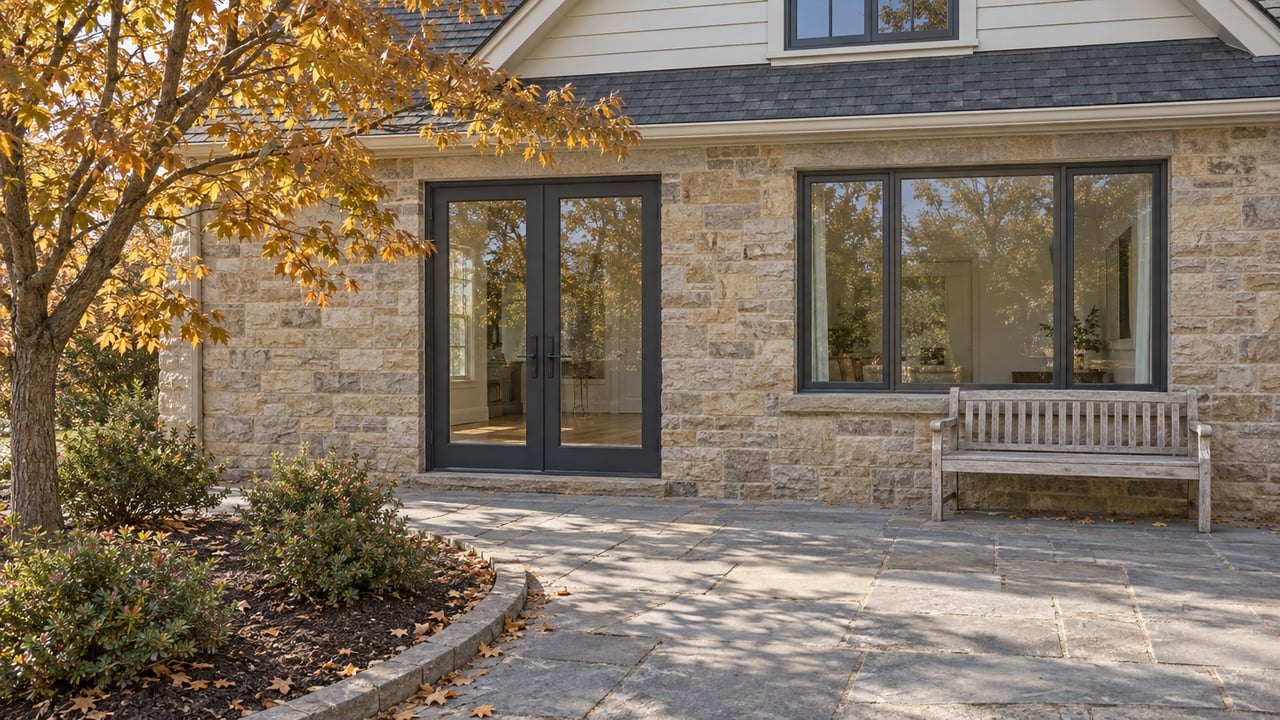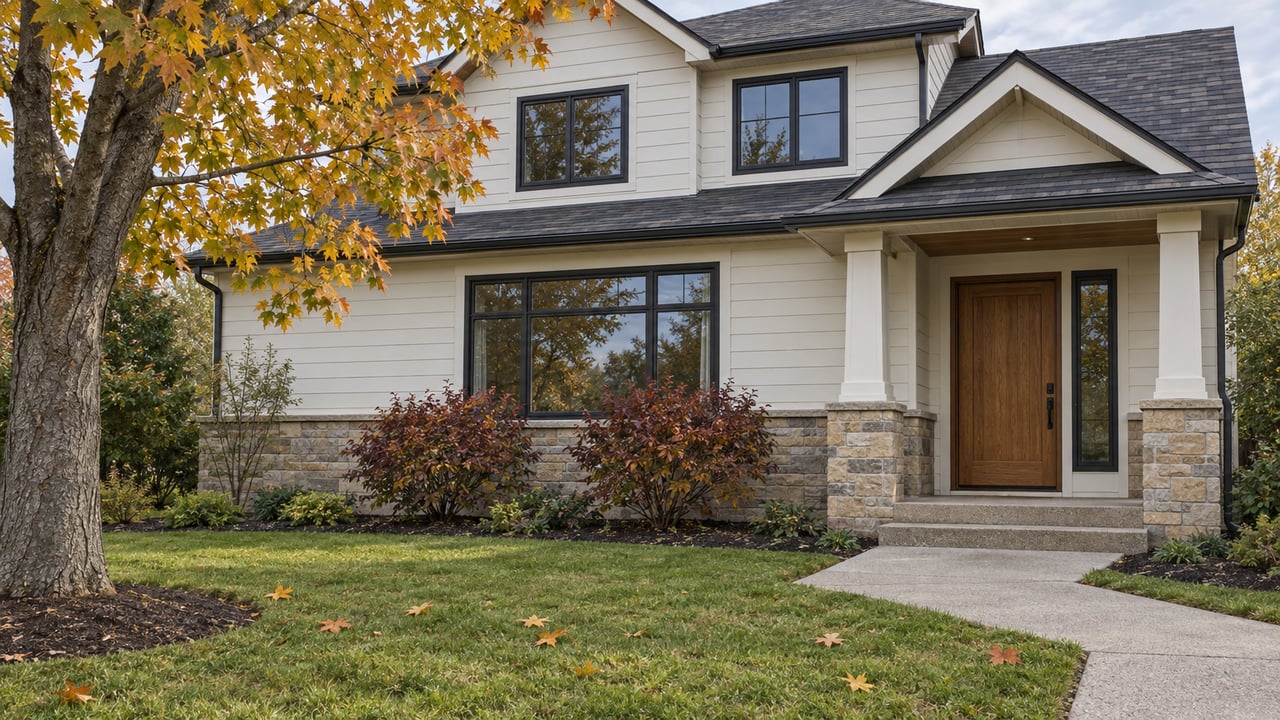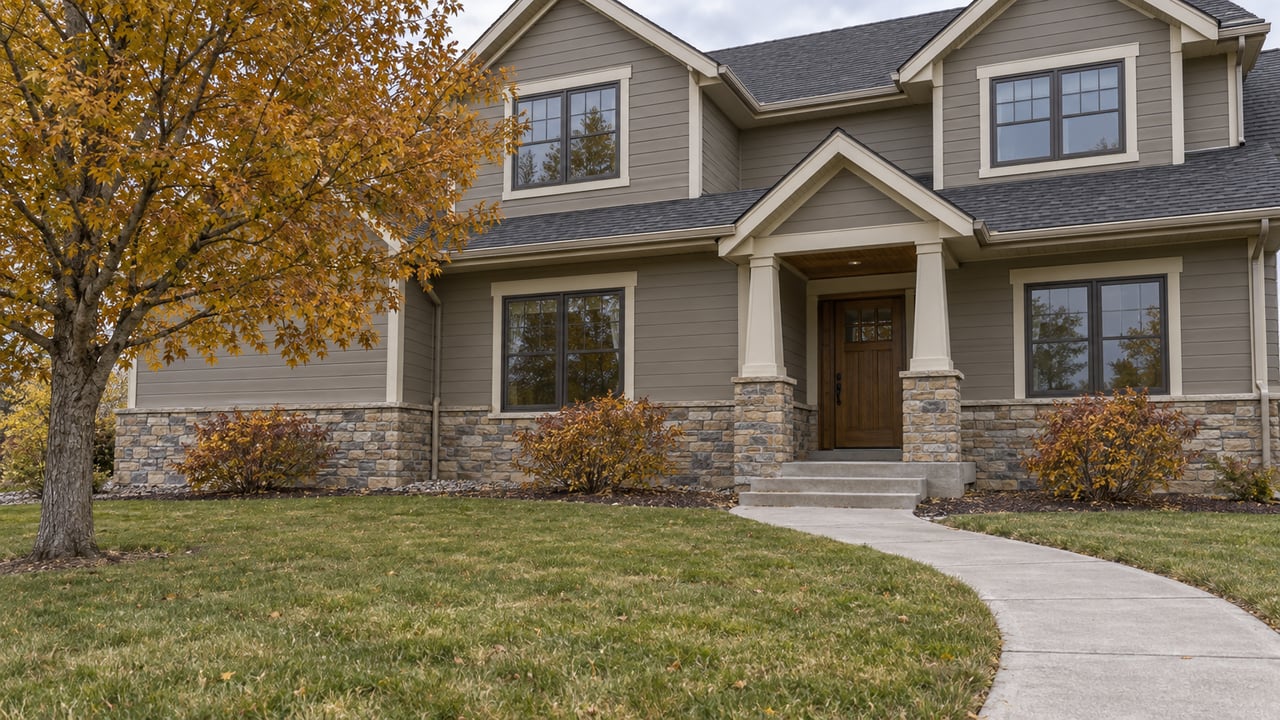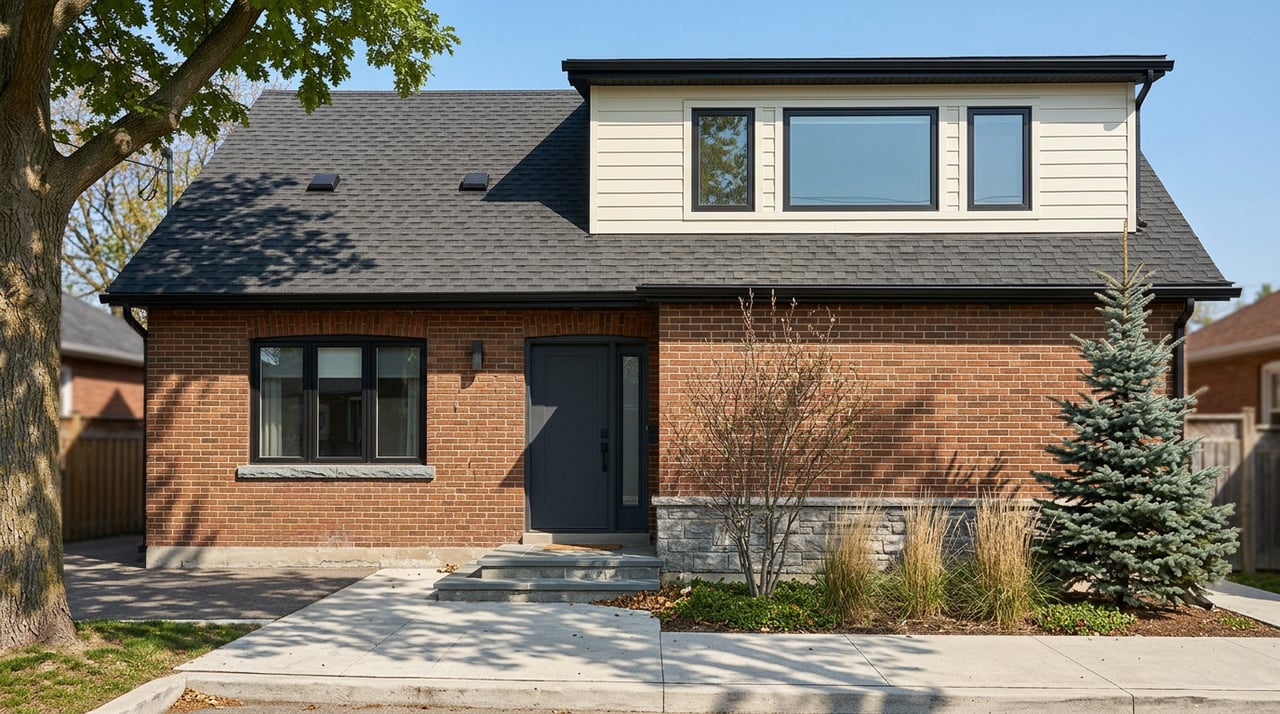
Thinking about adding space or starting fresh on your Cory-Merrill lot? The right plan can protect your budget, shorten your timeline, and set you up for strong resale. The wrong one can strain costs or hit zoning roadblocks you did not expect. In this guide, you will see how to weigh a remodel, a pop-top, or a full rebuild using local rules, costs, and comps so you can choose with confidence. Let’s dive in.
Cory-Merrill value drivers
Cory-Merrill is a central Denver neighborhood with a mix of post-war ranches and newer, larger homes. The neighborhood association highlights an active, engaged community and ongoing redevelopment activity that shapes what you see on many blocks. You can review local updates and contacts through the neighborhood group’s site to understand context on projects near you. Visit the Cory-Merrill Neighborhood Association for background and community resources.
Published market snapshots for Cory-Merrill vary because of small sample sizes and a wide range of product types. On the same street you might see an original ranch on a 6,000 square foot lot and a 4,000 square foot new build. That is why local, recent comps that match your lot size and finish level matter most when you model resale after any project.
Zoning sets the ceiling
Before you sketch plans, confirm what your parcel allows. Many Cory-Merrill lots fall under Denver’s E context single-unit districts, often labeled E-SU-D or E-SU-Dx. Denver’s zone descriptions explain how these codes set building forms, height, and lot coverage that control what you can add. You can review the overview of naming and forms in the Denver Zoning Code zone descriptions.
Where an “x” applies, the district can allow different house forms. For example, an Urban House form can limit two-story massing toward the rear and require a step-down, while a Suburban House form may allow two full stories across more of the depth. This distinction is critical for pop-tops because it affects how much of your footprint can carry a second floor. You can see a plain-English discussion of form types in community planning resources like this house-form reference.
Also check for overlays or landmark status. Design Overlays and Landmark review add steps that can affect materials and massing. The City’s permit office outlines these review tracks and who reviews single-family additions or demolitions. See Denver’s permitting guidance for professionals under Permits and Development Services.
Permits, reviews, and timing
Major projects go through building plan review. Expect structural, mechanical, electrical, and plumbing review, and a Sewer Use and Drainage Permit if you change impervious coverage or site drainage. Demolition triggers a separate permit. If rezoning is needed, that follows a public Map Amendment process. Denver has worked to speed reviews, but multi-department reviews still take time. Independent industry updates suggest plan review timelines can span months for complex projects. See a summary of recent trends in Denver permit timelines.
Neighbors often pay attention to tall additions and scrapes. Early, respectful outreach can reduce friction, but it does not replace required notices or hearings where applicable. You can find local contacts through the Cory-Merrill Neighborhood Association.
Option 1: Targeted remodels
A selective remodel keeps the roofline and main massing, while upgrading kitchens, baths, systems, and sometimes a one-story bump-out. This path has fewer structural unknowns and the shortest on-site timeline.
- When it fits: your foundation is solid, the layout needs efficiency and finish updates, or the zoning envelope limits vertical expansion.
- Cost and ROI: national reporting shows smaller exterior projects and modest interior updates often recoup a higher percentage of cost than large gut renovations. See an overview of projects that tend to pay back more in Cost vs. Value reporting.
- Timeline: weeks to several months, depending on scope and lead times.
Option 2: Pop-top additions
A pop-top removes or alters the roof and adds a partial or full second story. You gain square footage without expanding the footprint, which helps preserve yard space.
- Feasibility checks: a structural engineer must confirm the foundation and bearing walls can support the extra load. Zoning height and house-form rules control how much two-story massing you can carry toward the rear. Stair placement and re-routing HVAC and plumbing are frequent design challenges.
- Typical costs and time: Denver contractors commonly quote full pop-tops in the range of about 350 to 525 dollars per finished square foot, depending on structure, systems, and finishes. Expect about 8 to 12 months from design through inspections for complex pop-tops. Review a local summary of second-story addition costs in Denver pop-top guidance.
- Pros and tradeoffs: keeps your location and yard, can be more cost-effective than a full new build for the same finished square footage, but is structurally complex and usually requires you to move out during construction.
Option 3: Teardown and rebuild
A scrape and new build gives you maximum design freedom within the zoning envelope. It can also produce the highest finished value per square foot on blocks where new homes set the market.
- Feasibility and approvals: demolition plus full site development can require added civil work if you change drainage or curb access. Utility coordination and right-of-way impacts are common infill costs. If you seek more density than your current zoning allows, a rezoning process with public hearings is required.
- Typical costs and time: new construction in Denver often ranges from about 200 to 500 plus dollars per square foot, depending on finish level. Timelines of 12 to 24 months are common from design to completion, depending on complexity and review queues. See a local cost overview in Denver new-build cost guidance.
- Pros and tradeoffs: complete design control and a product that can command a premium if the block supports it. You will also carry higher total soft costs and longer schedules.
Health and safety in older homes
Many Cory-Merrill homes were built before 1978. Lead paint rules require certified practices for disturbing painted surfaces in older homes. Asbestos is also common in older materials and often must be tested and abated before a demolition permit is issued. Build testing and abatement contingencies into your budget and schedule. Review the EPA’s renovation rules for older homes in the Lead Renovation, Repair and Painting Program.
How to run the numbers
Base your decision on a simple net-gain model that uses recent, like-kind comps in Cory-Merrill.
- Start with a conservative projected sale price after the project that comes from nearby comps for the same product type. Group comps as renovated ranches, two-story pop-tops, and full new builds on similar lots.
- Subtract your current likely sale price if you sold today.
- Subtract total project cost, including design, permits, construction, utilities, testing and abatement, landscape repair, and a realistic contingency.
- Subtract carrying costs and expected taxes and closing fees. If you finance, include interest and loan fees.
If the net incremental value is small or negative, a lighter remodel may be the better move. If the net is strong and your block has recent new-build comps, a larger addition or a rebuild can pencil.
Cory-Merrill homeowner checklist
Use this step-by-step list to move from idea to a yes or no on each path.
Confirm zoning and any overlays for your parcel. Look up your district code and form rules in the Denver Zoning Code zone descriptions.
Gather your survey and easements. Order a current boundary survey, plat, and any recorded easements so an architect can calculate buildable area and setbacks.
Get a structural feasibility screen. Ask an architect or structural engineer to review whether your foundation can take a second story and what reinforcement is likely.
Price the options with two or three builders. Request ballparks for a modest remodel, a pop-top, and a full new build on your lot. Separate hard costs from soft costs like design, permits, and utility work.
Request a neighborhood-focused CMA. Ask for recent solds that separate renovated ranches, pop-tops, and new builds on nearby blocks, plus days on market and sale-to-list ratios. Use conservative after-repair values.
Talk with the City early. Schedule a pre-application or planner appointment to confirm submittals, likely SUDP requirements, and whether any design or landmark review applies. See contacts and process steps under Denver’s permitting office.
Compare financing paths. If you are renovating, explore renovation loan options like FHA 203(k). For a new build, look at construction financing and plan for inspections and draws. You can review 203(k) basics in this renovation loan overview.
Weigh block context and outreach. Consider tree canopy, park proximity, and the character of your immediate streetscape. Early conversations with neighbors and the Cory-Merrill Neighborhood Association can surface helpful feedback.
Financing basics
Renovation financing such as FHA 203(k) can combine purchase and improvements, or refinance and improvements, for owner-occupants. Larger projects often need a construction-to-permanent loan or a construction-only loan that you refinance at completion. Construction loans use draws, inspections, and different down payment requirements than standard mortgages. You can read about FHA 203(k) programs in this renovation loan guide.
Which path fits your Cory-Merrill lot
- Choose a targeted remodel if you plan to live in place, your structure is sound, and local comps show strong premiums for updated ranches. This can be the best percent-return per dollar in many cases, especially for exterior refreshes and modest interior upgrades.
- Choose a pop-top if your lot and house form allow meaningful two-story massing and your structure can be reinforced. This often yields family-friendly layouts and strong resale when nearby two-story remodels have set pricing.
- Choose a teardown and rebuild if your lot can support a larger home and your block has recent new-build comps at a premium. This path has the longest runway and highest soft costs but can deliver the highest finished value per square foot.
If you want a clear, numbers-first recommendation for your specific address, reach out. With local comps, a quick zoning screen, and a couple of contractor ballparks, you can move from uncertainty to a confident plan.
Ready to evaluate your Cory-Merrill options or get a data-backed CMA for your address? Connect with Stephen LaPorta for neighborhood guidance and a free home valuation.
FAQs
What does Denver’s E-SU-D zoning mean in Cory-Merrill?
- E-SU-D typically indicates single-unit homes on lots with a 6,000 square foot minimum, with building forms, heights, and massing defined by the Denver Zoning Code. Review naming and form rules in the City’s zone descriptions.
How much does a Denver pop-top usually cost?
- Local contractor guidance shows many second-story additions in the Denver area fall roughly in the 350 to 525 dollars per finished square foot range, with 8 to 12 months from design to move-in for complex projects. See the Denver pop-top cost overview.
How long does permitting take for Denver remodels or rebuilds?
- Timelines vary by scope and review queues. Expect months of design and permitting for major additions or scrapes, with rezoning, if needed, often taking several additional months. See a summary of recent Denver permit timing trends.
What safety steps are required for older Cory-Merrill homes?
- Pre-1978 homes can involve lead paint and asbestos. Federal rules require lead-safe work practices and asbestos often must be tested and abated before demolition permits are issued. Review the EPA’s RRP program for details.
How do I compare remodel versus rebuild for resale in Cory-Merrill?
- Build a net-gain model using nearby, like-kind comps for renovated ranches, pop-tops, and new builds. Subtract current value, total project cost, carrying costs, and closing fees from your conservative after-repair value to see if the project adds meaningful equity.