Ever walk down a tree-lined block in Country Club and wonder why some homes feel timeless while others look freshly reimagined? If you are buying, selling, or planning a renovation, understanding the neighborhood’s signature styles helps you see value, spot red flags, and talk confidently with inspectors and contractors. In this guide, you will learn how to identify the main architecture styles, which features tend to boost resale locally, and what to know about permits and preservation. Let’s dive in.
Country Club at a glance
Country Club centers around the Denver Country Club and nearby parkland, with a large portion recognized as the Country Club Historic District. The neighborhood grew in the late 19th and early 20th centuries and includes many architect-designed homes on generous lots. You will see mature trees, cohesive streetscapes, and a mix of preserved classics and thoughtful modern updates.
Historic recognition matters. A National Register listing honors significance but does not automatically restrict private owners. Local landmark or historic-district status is what typically triggers review for exterior changes. In Denver, exterior work in locally designated districts often needs review by the city’s Landmark Preservation staff or Commission. That can add timeline and coordination, so it is worth confirming a property’s status before you buy or renovate.
Denver Square style
The Denver Square is a local favorite and a hallmark of early Denver neighborhoods.
Key exterior cues
- Boxy, two-story form with a roughly square footprint
- Low-pitched hipped roof, often with a central dormer
- Broad front porch with square or tapered columns
- Clean, restrained detailing with classical or Craftsman touches
Inside the plan
- Four-room-per-floor layout with a central staircase
- Tall main-floor ceilings, wood trim, built-ins, and fireplaces
- Usable attic space and common basements
Materials and what to check
- Brick, stucco, or wood siding on solid masonry or wood framing
- Inspect porch columns and decking for rot, chimney mortar for wear, roof and dormer flashing, and the condition of original window sash
Why buyers love it: The plan is practical, the rooms feel bright, and the porch aligns daily life with the street. When you find a Denver Square with original woodwork and updated systems, it commands strong attention.
Mediterranean Revival style
Mediterranean Revival brought sun-washed romance to early 20th-century Country Club blocks.
Key exterior cues
- Smooth stucco walls and low-pitched or flat roofs
- Red clay tile roofs or tile-look materials
- Arched doors and windows, wrought-iron balconies or grilles
- Asymmetrical facades with courtyards, loggias, or arcades
Inside the plan
- Irregular room shapes with arched openings
- Plaster walls, tile accents, and detailed wood or tile trim
- Often smaller footprints with high-style details
Materials and what to check
- Stucco over masonry or wood framing; clay tile roofs are heavy, so roof structure should be evaluated
- Watch for stucco cracking, tile roof leaks, rusting ironwork, and moisture issues where paving meets walls
Why buyers love it: Texture, arches, and romantic outdoor spaces. A well-kept tile roof and intact stucco detailing can signal quality and longevity.
Colonial Revival style
Colonial Revival brings symmetry, proportion, and classic detailing.
Key exterior cues
- Balanced facade with a centered front door
- Classical details like a pediment, sidelights, or a small columned porch
- Multi-pane double-hung windows, often with shutters
- Side-gabled or gambrel roofs on brick or clapboard exteriors
Inside the plan
- Center-hall layouts with formal room balance
- Original woodwork and staircases are common
- Kitchens and baths were smaller by today’s standards and often targeted for expansion
Materials and what to check
- Brick masonry or wood-frame walls
- Look for masonry repointing needs, window sash condition, and smart kitchen and bath updates that respect original proportions
Why buyers love it: Timeless curb appeal and classic rooms that adapt well to thoughtful, period-sensitive updates.
Modern renovations in historic shells
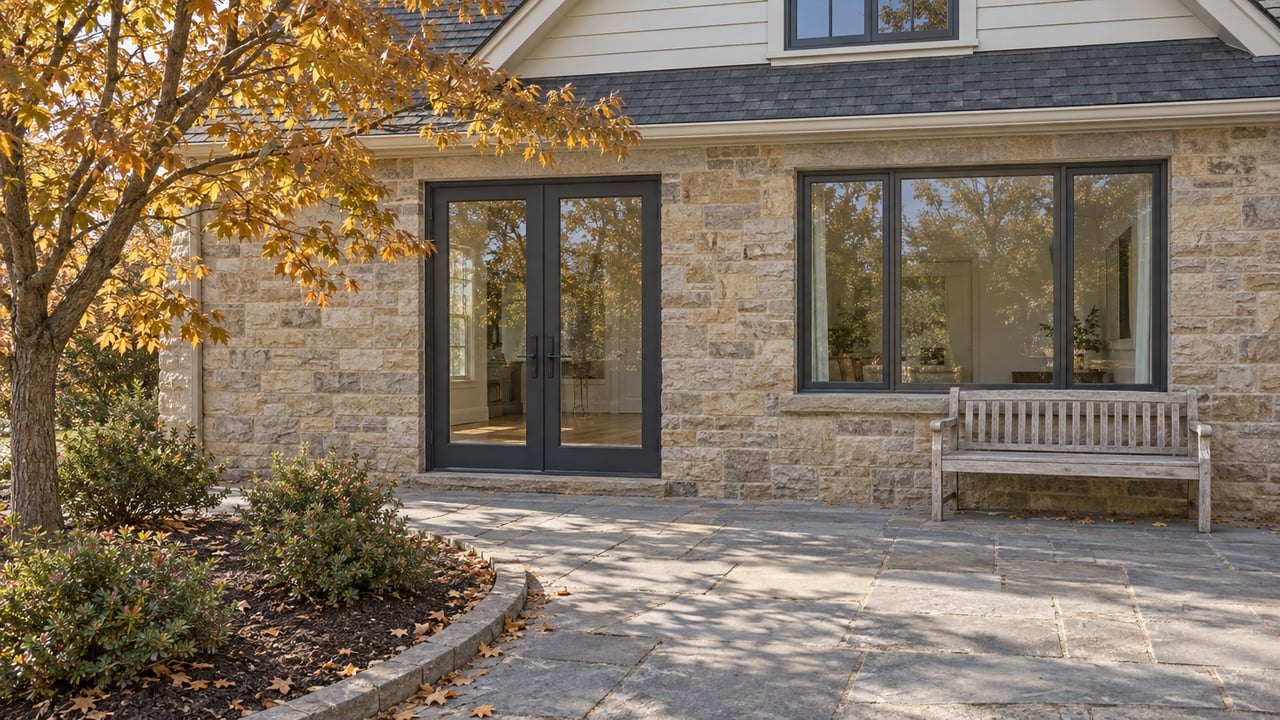
Many Country Club homes blend historic exteriors with contemporary interiors or additions.
What you will notice
- Glassy additions and steel-framed elements set back from the main facade
- Expanded rooflines and contemporary materials that contrast with original brick or stucco
- Large patio doors, roof decks, and modern landscaping
Inside the plan
- Open main floors with large kitchen islands
- Bigger primary suites with updated baths and closets
- New mechanicals, windows, and insulation for comfort and efficiency
What to evaluate
- Compatibility with historic-district design guidelines where applicable
- How old and new structures connect, including water management and structural ties
- Whether the renovation balances original details with modern functionality
Why buyers love it: You get the charm of a historic street with the flow of a contemporary home. Quality and proportion matter, since oversize or poorly detailed additions can hurt value.
What drives resale value here
In Country Club, the strongest performers tend to mix authentic character with modern comfort. Based on industry research and local experience, these features stand out:
- Location and lot qualities. Proximity to the club and parkways, mature trees, lot size, and orientation are major value drivers.
- Updated kitchen and primary bath. Buyers emphasize function, storage, and high-use finishes. These updates often reduce time on market.
- Preserved historic details. Original woodwork, fireplaces, leaded glass, and built-ins make a home feel authentic and special.
- Interior flow and usable square footage. Open but well-proportioned rooms, finished basements or attics, and a generous primary suite add livability.
- Garage and storage. Rear-located garages and off-street parking are prized in established neighborhoods.
- Energy and mechanical upgrades. New HVAC, improved insulation, and compatible high-performance windows help buyers plan for the long term.
- Outdoor living. Private patios, decks, and quality landscaping lift appeal, especially with views toward green space.
- Quality of work. Permitted, professional renovations with thoughtful finishes protect sale price and reduce buyer objections.
Keep in mind: Over-improving beyond block norms can limit upside. Aim for high-quality work that matches the neighborhood’s character and price range.
Renovation and permits in Country Club
Before you swing a hammer, clarify a property’s preservation status. If a home is within a locally designated historic district or is individually landmarked, exterior alterations visible from the street may require review and approval by Denver’s preservation staff or Commission. Factor that into your schedule and budget.
- Interior work is usually less restricted. Most historic-district rules focus on exterior changes visible from public ways. Always confirm requirements before starting.
- Building permits still apply. Additions, structural changes, and major mechanical, plumbing, or electrical work require permits, even outside a historic district.
- Incentives exist for certain properties. Federal Historic Tax Credits apply to income-producing certified historic structures, not typically to owner-occupied single-family homes. State and local programs vary.
Common pitfalls in older Denver homes include hidden deferred maintenance, knob-and-tube wiring, lead-based paint, asbestos, and moisture issues. Plan for HVAC recalculations if you open floor plans. Windows should be restored or replaced with historically appropriate profiles to protect character and value.
When in doubt, hire experienced pros. An architect familiar with preservation standards and local guidelines can help you design compatible updates and navigate approvals.
How to evaluate a home by style
Use this quick walk-through checklist to focus your eye:
Denver Square checklist
- Roof and dormer flashing condition
- Porch columns, decking, and railings for rot
- Original windows: sash cords, glazing, and weatherstripping
- Layout integrity with potential to open walls without overdoing it
Mediterranean Revival checklist
- Stucco cracking and patch consistency
- Tile roof condition and evidence of leaks
- Ironwork rust and secure anchoring
- Courtyard drainage away from walls
Colonial Revival checklist
- Brick repointing needs and mortar condition
- Window sash, hardware, and weatherseals
- Kitchen and bath upgrades that respect room proportions
- Chimney and fireplace masonry
Modern renovations checklist
- Permit history and inspection records
- Structural tie-ins between additions and original walls
- Window quality and alignment with historic profiles
- HVAC, electrical, and plumbing upgrades suitable for the new layout
Finding your fit
If you want classic bones with flexibility, a Denver Square may fit your daily rhythm. If you prefer sculpted plaster, arched openings, and courtyards, Mediterranean Revival delivers mood and texture. For symmetry and time-tested curb appeal, Colonial Revival is a safe bet. If you crave indoor-outdoor flow and a chef’s kitchen within a historic envelope, a well-executed modern renovation might be ideal.
The best homes here blend preservation with function. Look for original details in good condition, smart kitchen and bath updates, and outdoor spaces that connect to the interior. Confirm preservation status early, review permit history, and plan for quality work that respects the block.
Ready to explore your options or position a property for sale? Reach out to Stephen LaPorta for neighborhood guidance, pricing strategy, and a clear plan tailored to your goals.
FAQs
What is the Country Club Historic District and how does it affect changes?
- A large portion of the neighborhood is recognized for historic significance. Local landmark or district designation can require review for exterior changes. Always verify a property’s status before planning work.
How can I quickly spot a true Denver Square when touring?
- Look for a two-story, square footprint, a low hipped roof with a central dormer, and a broad front porch, paired with a four-room-per-floor interior plan.
Do historic rules prevent me from opening up the interior?
- Typically no. Most preservation review focuses on exterior changes visible from the street. Interior renovations are usually not regulated, but confirm local rules for your address.
Which updates deliver the best resale lift in Country Club?
- Updated kitchens and primary baths, preserved original details, quality mechanical upgrades, and outdoor living spaces are consistent winners in this neighborhood.
Are contemporary additions acceptable in a historic area?
- Yes, when they respect massing, siting, and materials and are designed to complement the original structure. Oversized or poorly detailed additions can hurt value.
Should I restore original windows or replace them?
- If the originals are restorable, weatherstripping and interior storm panels can improve performance while preserving character. If replacing, choose historically appropriate profiles and sightlines.
What budget contingency should I plan for in an older home?
- Set aside 10 to 20 percent for unforeseen items such as structural repairs, hazardous material abatement, and utility upgrades. A thorough inspection helps reduce surprises.