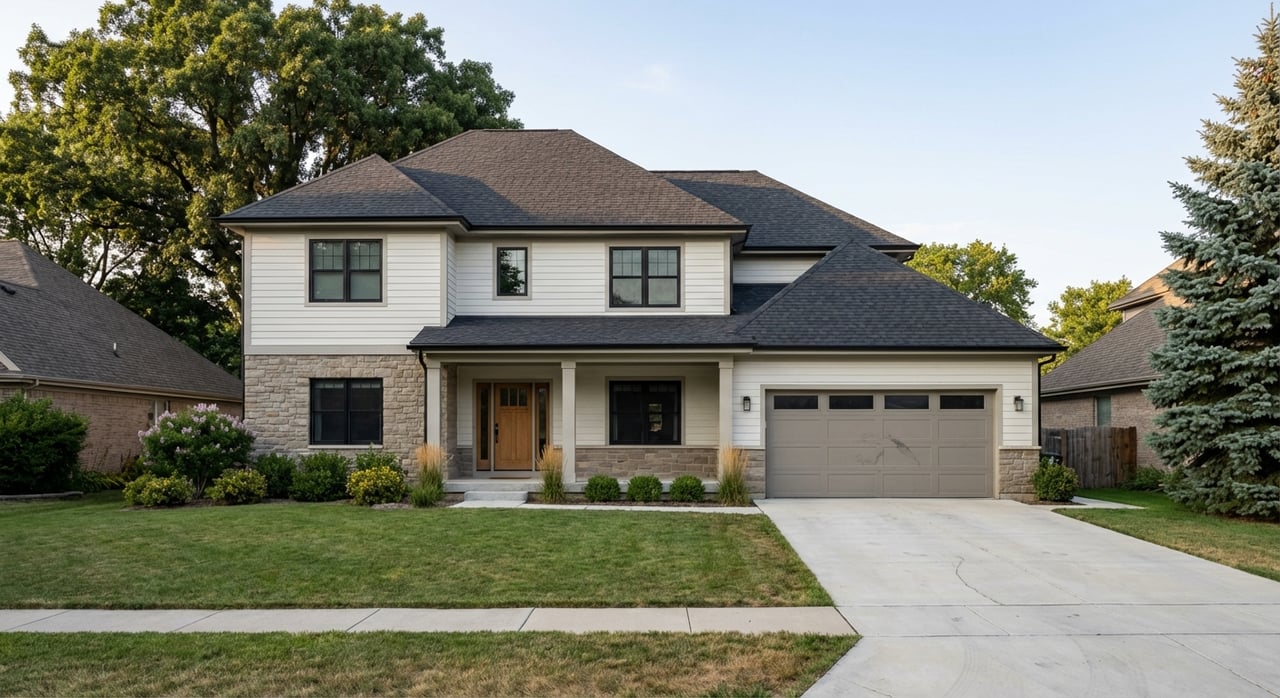
Need more space but want to stay in Hilltop? You are not alone. Many Denver homeowners are trading up within the neighborhood to get more bedrooms, a bigger yard, or a floorplan that fits how they live today. In this guide, you will get the numbers, the neighborhoods-within-the-neighborhood, and a step-by-step plan to buy a larger Hilltop home with confidence. Let’s dive in.
Hilltop at a glance
Hilltop is a higher-priced Denver neighborhood with larger lots and substantial single-family homes. Recent snapshots place the median sale price around $1.7 million as of January 2026 (MLS-backed data), while a smoothed valuation index shows about $1.43 million through December 2025. Using both gives you a realistic band to budget against.
Expect pricing in the $500 to $525 per square foot range based on 2025–2026 data. Days on market vary by source and season. Some 2025 snapshots showed 30 to 60 days, while early 2026 skewed longer, near about 91 days. This variability affects how you structure contingency timelines and negotiation strategy.
Lot size is a key value driver. Hilltop’s median lot size is roughly 8,700 square feet, compared with a Denver typical lot near 6,250. That lot premium shows up in pricing, outdoor living potential, and future flexibility.
Nearby amenities also influence value. Homes near Cranmer Park, Robinson Park, Crestmoor Park, and within convenient distance to Carson Elementary or Graland School often command higher prices due to park access and neighborhood reputation. Use these factors to decide where to stretch and where to hold firm.
What “larger homes” look like in Hilltop
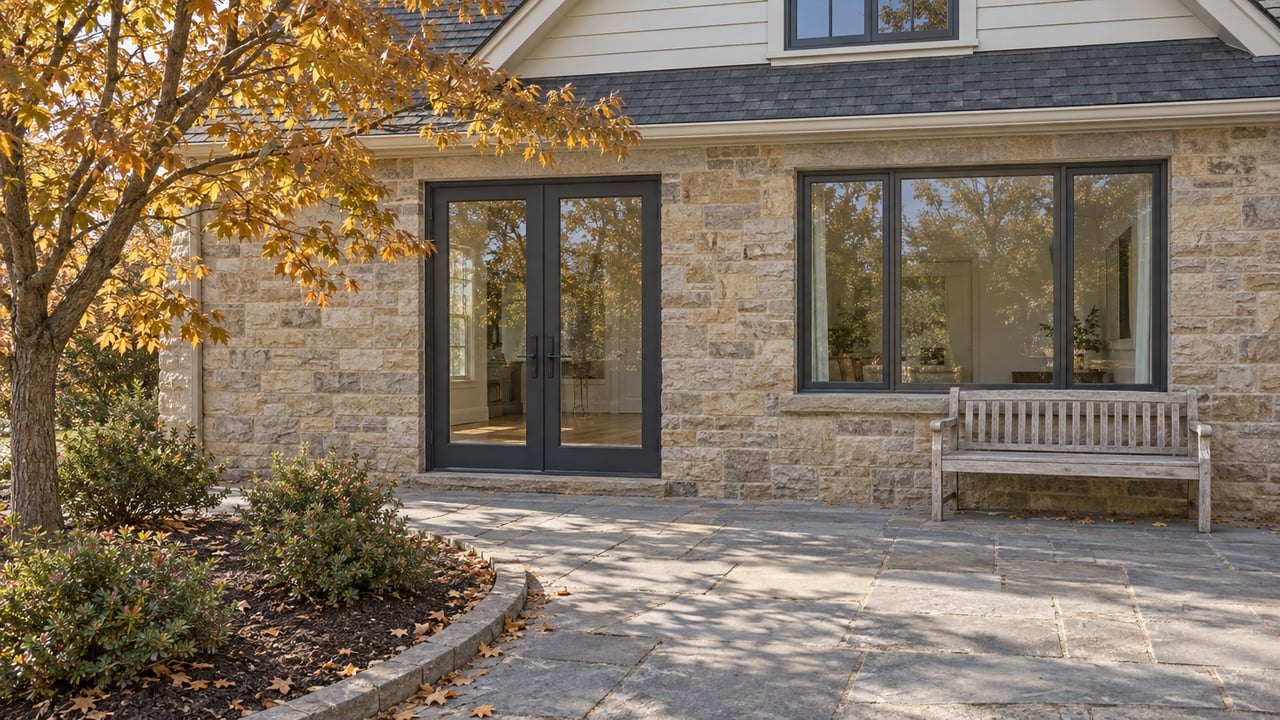
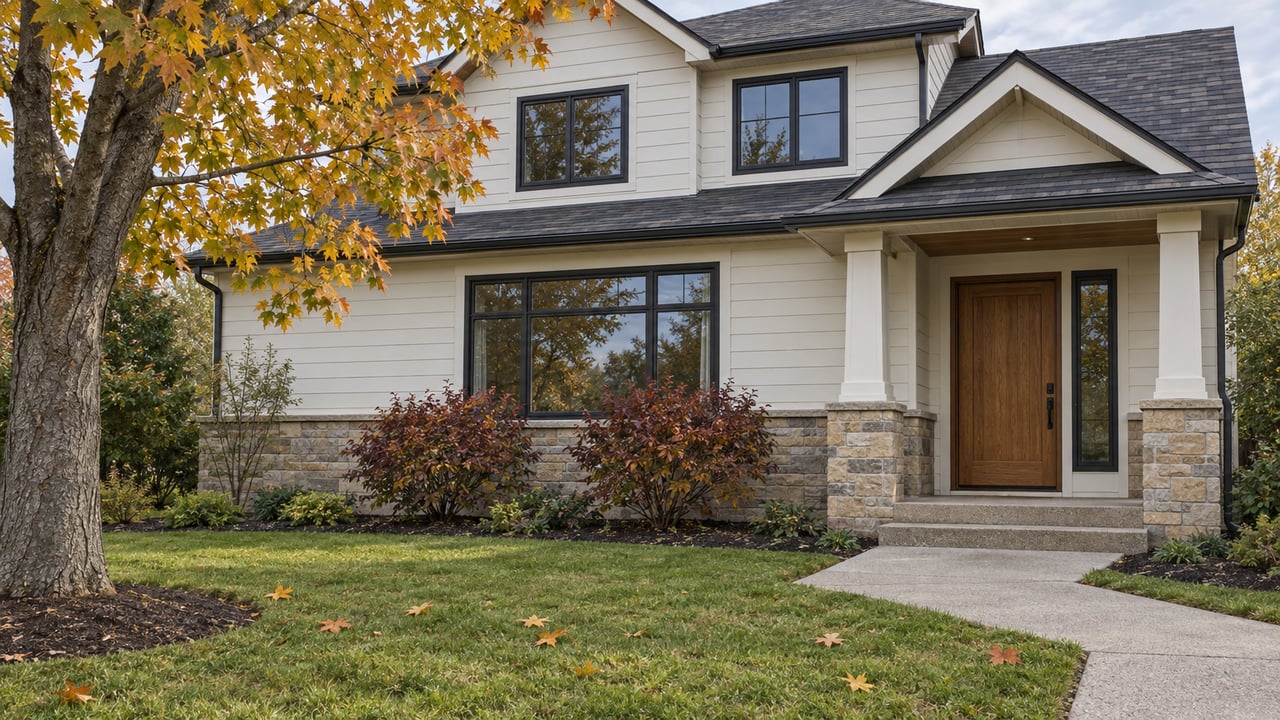
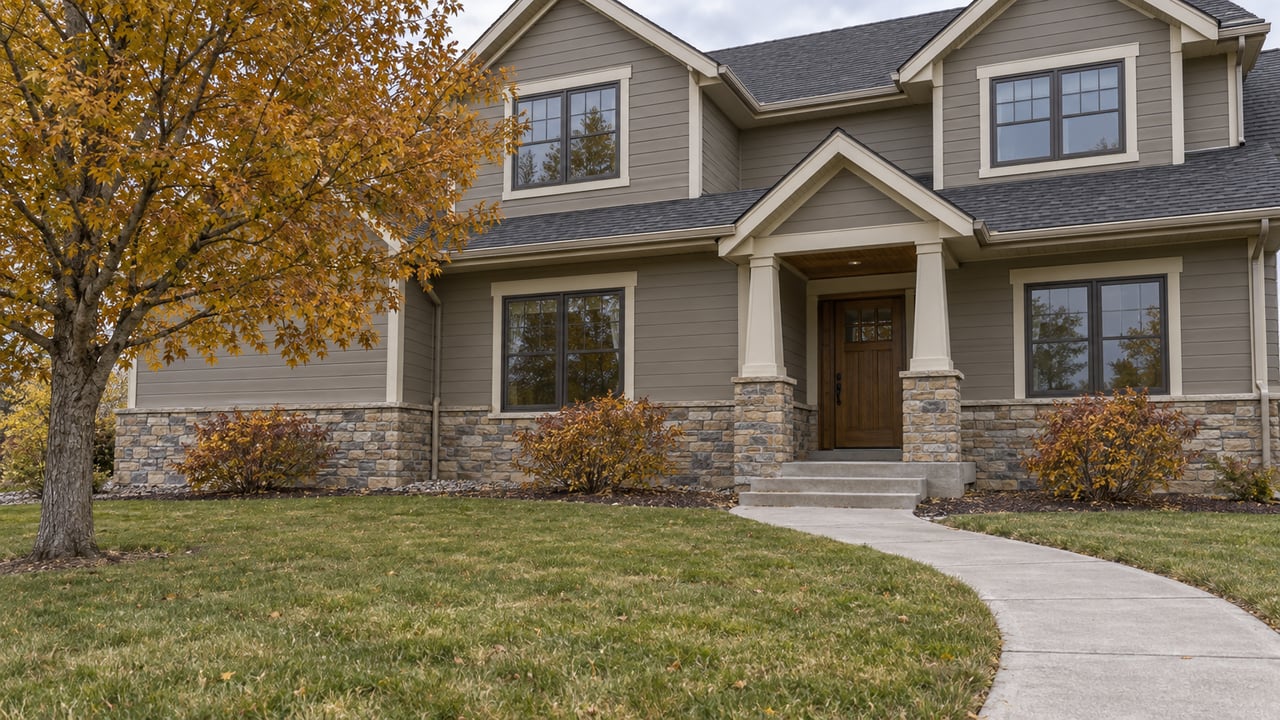
Larger Hilltop homes commonly offer 3 to 6 bedrooms, finished basements, formal and casual living spaces, and updated kitchens and baths. You will see a mix of Tudors, mid-century ranches, Mediterranean and colonial styles, plus many modern two-story infill builds with open plans and high-end finishes.
Price bands to plan for
- Entry single-family (smaller or modestly updated): ~$900,000 to $1.3 million
- Typical move-up homes (3,000 to 4,500 sq ft, larger lots, modernized or expanded): ~$1.4 million to $2.5 million
- Upper tier and luxury (prime streets, larger estates, new custom builds): $2.5 million and up
The right comp set and condition details can push a property above or below these bands. Ask for a neighborhood-specific CMA that shows the logic behind the price.
Where to pay up in Hilltop
- Parks and views: Streets around Cranmer Park, Robinson Park, and Crestmoor Park often carry premiums. Park proximity is a long-term value play and a lifestyle win.
- Lot size: Estate-size parcels, corner lots, and wide frontages usually trade higher. If you value outdoor space, this is a smart place to stretch.
- Construction quality and recency: Newer infill or heavily renovated homes with documented permits, modern systems, and cohesive design typically earn top-of-market pricing.
- School proximity: Neutral note for budget planning. Convenient distance to Carson Elementary or Graland can influence demand and pricing patterns.
How Hilltop compares nearby
- Park Hill: Medians have been lower, around $675,000 to $680,000 in early 2026 snapshots. You may find more indoor square footage for less, but with generally smaller lots in many subareas.
- Cory-Merrill: Often sits between Park Hill and Hilltop on price, with medians reported around $1.2 to $1.3 million depending on source and sample period.
If your must-haves focus on interior square footage over lot size, considering these neighbors can expand your options.
Offer strategy in today’s Hilltop market
Market tempo has shifted in recent years, which means your tactics should match current conditions. When inventory is tight, you need speed and strength. When buyers have more leverage, you can widen your contingency windows and negotiate credits.
Core tactics that always help
- Bring strong financing. Get full pre-approval or pre-underwriting and include proof with your offer. A higher earnest deposit, often 1 to 3 percent, can signal seriousness. For strategy basics, review this practical overview of making your offer stand out from a competitive-playbook perspective from Effective Agents.
- Keep inspection, do not waive it. Consider a shorter window, often 7 to 14 days in hotter moments, or limit to health, safety, and structure if you accept added risk. See the same guide above for pros and cons.
- Use escalation and appraisal-gap coverage carefully. Cap your gap at a dollar figure you can actually bring to closing if needed.
If conditions favor sellers
- Lead with price, strong terms, and minimized timelines. Show proof of funds and underwriting strength from a known lender.
- Avoid a home-sale contingency if possible. Consider buy-before-you-sell or bridge financing to stay competitive. Learn how buy-before-you-sell programs are structured at Homeward’s real estate 101 hub.
If conditions tilt to buyers
- Expand inspection and financing windows and negotiate repairs, credits, or price reductions.
- Use recent market softness to push for seller-paid items like a rate buydown or a post-closing occupancy agreement that helps your move.
Financing for higher price points
Many Hilltop purchases sit above conforming loan limits, so plan for high-balance or jumbo financing. Baseline conforming limits for 2026 rose to around $832,750 nationally. Check county-specific caps and lender terms, since jumbo underwriting can be stricter on reserves and documentation. For context on the latest limits, see Freddie Mac’s 2026 loan limit overview.
Coordinating buy and sell moves
- Sell first, then buy: Lowest financial risk, but you may need temporary housing or a rent-back.
- Buy first, then sell: Use cash, a bridge loan, a HELOC, or a buy-before-you-sell program. This removes a sale contingency but raises costs for a short period.
- Make a contingent offer: Still used, but less attractive in competitive weeks. Consider a kick-out clause so the seller can accept backups while you market your home. For program mechanics and planning steps, review Homeward’s educational resources.
How to read Hilltop comps with confidence
Select the right comps
Use closed sales from the last 3 to 6 months when possible, within 0.25 to 1 mile, and match single-family type, square footage (within 10 to 15 percent), bed and bath count, finished basement square footage, lot size, and condition. Active and pending listings help gauge sentiment but should not replace closed comps. For a quick primer on CMA best practices, see this CMA methodology explainer.
Local adjustments that matter
- Lot size: Hilltop lots are often larger than Denver’s average. Your CMA should show a clear upward or downward adjustment for a significantly bigger or smaller yard.
- Condition and remodels: High-end kitchen and bath updates, newer roof and HVAC, and permitted expansions deserve real dollar adjustments. Keep permit records handy.
- Tear-down or rebuild potential: Zoning influences lot value and future options. Hilltop parcels commonly fall into E-SU variants, which set minimum lot sizes and form standards. Start with Denver’s zoning district descriptions, and verify details with city staff.
Older charm vs. newer infill
- Older charm: Pros include character, mature landscaping, and many larger lots. Cons may include dated systems and less open floorplans. Budget for upgrades if needed.
- New construction and infill: Pros include modern systems, energy efficiency, and open plans. Cons can be smaller yards on some rebuilds and higher cost per square foot. If you want both a larger interior and modern layout, a tear-down and rebuild path can be viable on the right lot.
Before you decide, confirm permit history, roof and HVAC ages, and any structural modifications. For homeowner tips specific to Hilltop, see the neighborhood resource on project planning and documentation at DenverHilltop.com.
Your Hilltop move-up checklist and timeline
Pre-offer
- Get full lender pre-approval or pre-underwriting, not a soft pre-qual. Programs like buy-before-you-sell can help you avoid a home-sale contingency. Explore options at Homeward’s learning hub.
- Ask for a neighborhood CMA that shows lot-size and condition adjustments and closed sales within about 0.5 mile. Review this CMA quick guide.
- Decide your appraisal-gap cap and your inspection and financing windows in advance. Review offer tradeoffs with this practical offer strategy guide.
If your offer is accepted
- Schedule inspections immediately within your window. Order appraisal and title promptly to stay on track.
- If you must sell to buy, finalize contingency language with your agent, or arrange bridge financing. Outline fees, timing, and backup plans in writing.
Moving logistics
- Consider a rent-back or post-closing occupancy to ease timing. Plan for 30 to 60 days when negotiating, depending on lending constraints and seller needs.
- Book movers and pack in zones. Aim to complete utility transfers, school registration, and address changes two weeks before closing.
Ready to explore larger homes in Hilltop?
You deserve a plan that fits your budget, timeline, and must-haves. If you are weighing lot size versus new finishes, deciding how to structure contingencies, or want a clear comp set with lot and condition adjustments, let’s talk. Reach out to Stephen LaPorta for a data-driven Hilltop strategy and on-the-ground guidance from search to keys.
FAQs
What is the current Hilltop median price for early 2026?
- Recent snapshots show a median near $1.7 million for closed sales, with a smoothed index near $1.43 million through late 2025.
How long do Hilltop homes take to sell and why does it matter?
- Some 2025 months ran 30 to 60 days on market, while early 2026 skewed closer to about 91 days, which shapes how aggressive your contingency timelines should be.
What counts as a “larger home” in Hilltop today?
- Many larger homes run 3,000 to 4,500 square feet with 3 to 6 bedrooms, finished basements, and updated kitchens and baths, often on bigger-than-average lots.
Should I pay a premium to live near Cranmer Park or certain schools?
- Park proximity and convenient distance to Carson Elementary or Graland often influence pricing; decide based on your lifestyle priorities and long-term plans.
How do jumbo loans affect my Hilltop purchase budget?
- Many prices exceed conforming limits, so expect jumbo or high-balance loans with stricter underwriting and reserve requirements, which can impact down payment and rate.
How do I compare an older Tudor with a new infill on the same block?
- Weigh lot size, permits, system ages, energy efficiency, and floorplan utility, then adjust value for condition and future potential based on a tight local comp set.