Are new builds really changing Cory-Merrill home values, or are they just creating a separate price tier? If you own, plan to buy, or may sell in this neighborhood, that question matters more than ever. The numbers show a market where original homes and newer construction often move on parallel tracks, but they still influence each other in important ways. Let’s dive in.
Cory-Merrill’s Market Has Two Price Lanes
Cory-Merrill sits in a price range that already reflects strong demand, with market snapshots showing median listing and sale figures around the low $1.3 million range. Realtor.com reports a median listing price of $1.25 million and a median sold price of $1.30 million through May 2026, while Redfin shows a similar median sale price of $1,299,563 for the three months ending May 2026.
At the same time, recent new-construction listings and sales often land well above that neighborhood midpoint. That creates a segmented infill market where one group of homes is valued mainly for land, location, and update potential, while another group is priced for size, finish level, and turnkey condition.
New Builds Are a Small Slice
One reason this topic gets confusing is that the new-build pool in Cory-Merrill is small. Realtor.com shows 2 new-construction homes for sale with a median listing price of $1.2 million, while Zillow shows 4 new-construction results ranging from $1.8 million to $3.5 million.
That difference does not necessarily mean one source is wrong. In a neighborhood with thin inventory, portal counts can vary because of refresh timing and how listings are categorized. The bigger takeaway is that even a handful of high-end new builds can shape how buyers, sellers, and appraisers think about value.
Recent Sales Show the Spread
The recent sold data helps explain why this matters. Realtor.com shows a new-construction sale at 1109 S Clayton St for $3.15 million and another new-construction sale at 1544 S Fillmore St for $2.79 million.
In the same neighborhood, older homes have also sold at much lower prices, including 1660 S Fillmore St at $500,000 and 1168 S Madison St at $719,900. That is a wide spread, and it shows why Cory-Merrill cannot be read as a one-price-fits-all market.
Why New Builds Can Affect Nearby Values
New homes do not automatically reset every nearby home to the same value level. Still, they can influence the pricing band and the comparable-sales pool for nearby properties, especially when the homes share similar blocks, lot sizes, and overall utility.
Denver’s Assessor’s Office says residential values are based on sales of similar homes sold within a 24-month period. For 2025 values, the comparison window was July 1, 2022 through June 30, 2024. That means a small number of high-dollar sales can matter, particularly in an infill neighborhood where lot patterns and redevelopment activity are visible from block to block.
Comparable Sales Matter Most
In practice, value usually starts with comparable sales. Fannie Mae notes that the sales comparison approach looks at comparable sales, contract sales, and listings, and that sales from within the neighborhood are often the best indicator of value.
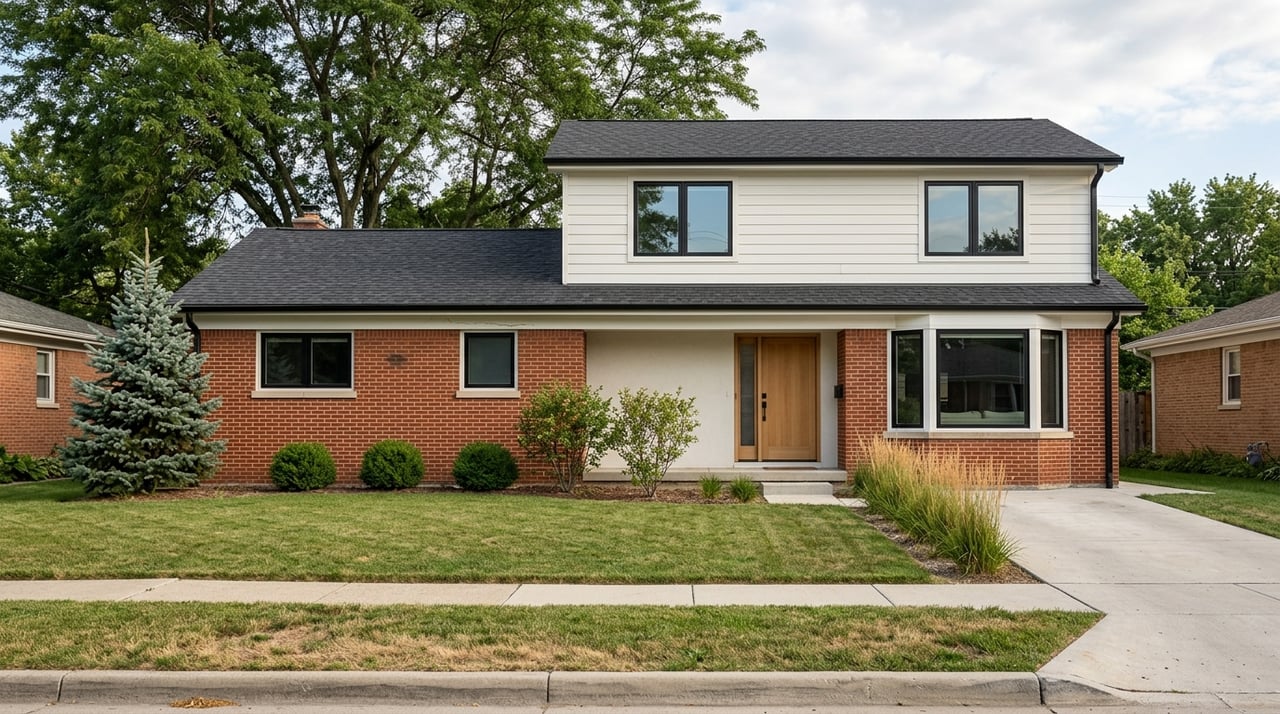
That matters in Cory-Merrill because not all homes should be treated as identical. A fully original home, a remodeled home, a pop-top, and a true new build may all be relevant to the discussion, but they should not carry the same weight by default.
Similarity Still Comes First
If you are trying to understand your home’s value, the strongest evidence is still the most similar sale. Same neighborhood, similar size, similar lot, similar condition, and similar legal use usually matter more than simply picking the highest recent number nearby.
That means a new build may influence the conversation, but it should not automatically be used as the best comp for an older home that offers a very different layout, finish level, and remaining useful life. The closer the match, the more weight that sale deserves.
Lot Value Plays a Bigger Role in Infill Areas
In neighborhoods like Cory-Merrill, the land itself can carry a large share of the value story. Denver public records track details like lot size, zoning, year built, living area, and bedroom and bath count, and the city also notes that a zone lot can differ from the assessor’s tax parcel.
For many buyers and builders, the lot may be the key asset. If a property sits on a desirable block with a buildable site, the home may be evaluated partly for what it is today and partly for what the lot allows in the future.
Why This Matters for Original Homes
If you own an older home, your value may be supported by more than the current structure alone. Buyers may be weighing the location, dimensions, and redevelopment potential of the site along with the home’s present condition.
That does not mean every older house is worth new-build pricing. It does mean that in a neighborhood with active infill, the land component can help support values even when the house itself is dated.
Replacement Cost Helps Explain New Construction Pricing
Another useful concept is replacement cost. Fannie Mae says the cost approach can be relevant for new or proposed construction because it estimates the cost to produce a substitute residence, though it depends on accurate cost estimates, depreciation, and site value.
Freddie Mac defines replacement cost as the cost to reconstruct a property with equal utility and quality, excluding land value and site improvements such as driveways, sidewalks, or landscaping. For buyers, this helps explain why new construction can command a premium beyond simple square-foot comparisons.
New Homes Compete on Different Features
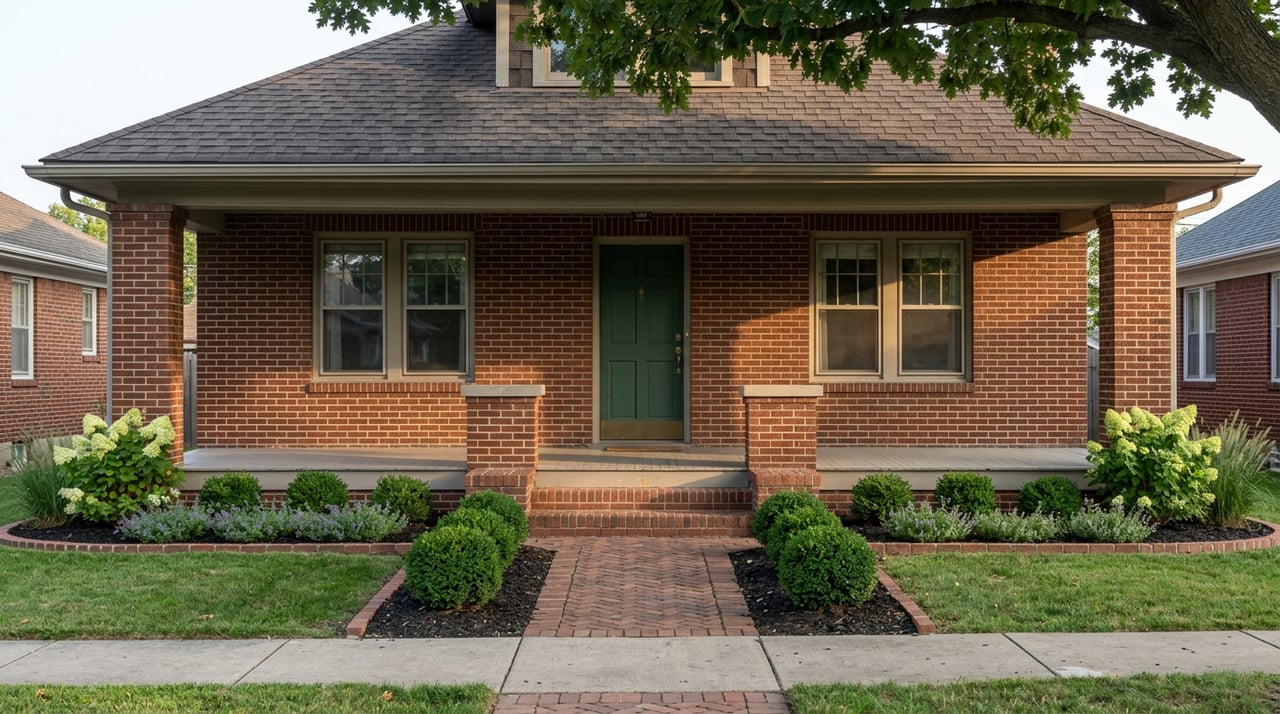
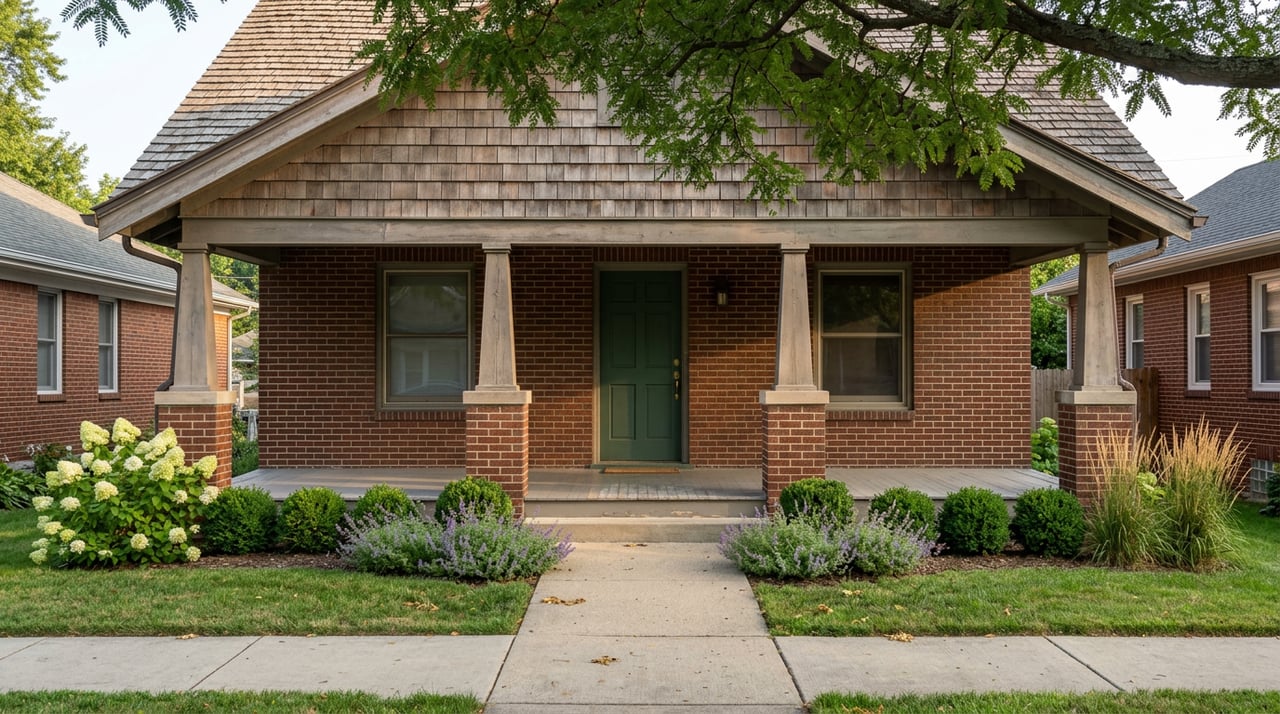
In Cory-Merrill, newer homes often compete on modern floor plans, updated finishes, attached or improved garage and parking utility, and move-in-ready condition. Older homes may compete more on lot quality, location within the neighborhood, charm, or renovation opportunity.
That is why the neighborhood can function like a two-track market. Both tracks are connected, but they are not interchangeable.
What This Means if You’re Selling
If you are selling an original or lightly updated home in Cory-Merrill, nearby new builds can help support the neighborhood’s higher-end image. They may also reinforce buyer confidence in the area’s long-term value.
But pricing still needs discipline. Reaching too far toward new-construction numbers without a strong comp basis can lead to longer time on market and weaker leverage during negotiations.
A Smarter Pricing Strategy
A strong pricing strategy usually looks at:
- Recent same-neighborhood sales
- Condition and finish level
- Lot size and block appeal
- Renovation or expansion potential
- Whether buyers are shopping your home as a residence, a project, or a land play
That kind of analysis is especially important in Cory-Merrill because one headline sale does not tell the whole story.
What This Means if You’re Buying
If you are buying in Cory-Merrill, it helps to decide early which segment fits your goals. A new build may offer less immediate maintenance and a more modern layout, but it often comes at a much higher price point.
An older home may open the door to a lower entry price, more renovation flexibility, or a stronger land-value story over time. The right option depends on whether you care most about turnkey living, customization potential, or long-term positioning.
Do New Builds Automatically Raise Property Taxes?
No. Denver’s assessor makes clear that actual value is market value, and that values can rise when similar nearby homes sell for more, even if you have not improved your property.
But taxes are not based on market value alone. Denver also notes that taxes depend on assessed value and mill levies, which are set separately from the assessor’s valuation. So while new-build sales can be part of the value picture, they do not trigger an automatic one-to-one tax jump.
Permits and Redevelopment Also Shape the Conversation
If you are watching a block change over time, it helps to know that Denver requires permits for most construction, alteration, or repair work on private property. The city’s Site Development Plans map can track some projects, but it does not include single-family and duplex projects.
That means a lot of the new-build and pop-top activity in Cory-Merrill will show up in residential permit records instead. Denver also requires a permit for complete or partial demolition of an existing structure larger than 200 square feet or taller than 8 feet, with some partial demolition folded into the broader construction permit.
Why This Matters to Buyers and Sellers
Permit activity can offer clues about the pace of change on a block. It can also affect project timelines and costs if issues like tree preservation, driveway or curb-cut work, right-of-way impacts, or landmark and historic review come into play.
For sellers, that context can support a smarter positioning strategy. For buyers, it can help you evaluate whether a home is best viewed as a finished product, a remodel opportunity, or a longer-term lot play.
The Bottom Line on Cory-Merrill Values
New builds are shaping Cory-Merrill home values, but not in a simple, across-the-board way. They are expanding the top end of the market, influencing the comparable-sales landscape, and reinforcing the importance of lot value in an infill setting.
At the same time, original homes still need to be evaluated on their own merits. In a neighborhood with a wide spread between older-home sales and new-construction sales, the real key is understanding which market lane a property belongs in and how nearby sales support that conclusion.
If you want help pricing a Cory-Merrill home or understanding how new construction may affect your buying or selling strategy, Stephen LaPorta can help you make sense of the data and the neighborhood context.
FAQs
How do new builds affect Cory-Merrill home values?
- New builds can influence neighborhood pricing and comparable sales, especially when they are on similar lots and blocks, but they do not automatically make every nearby home worth the same amount.
Should an original Cory-Merrill home be compared to a new build?
- Yes, sometimes, but the most similar same-neighborhood sales should usually carry the most weight first, especially when size, condition, and utility differ.
Do new-construction sales raise property taxes in Cory-Merrill?
- No, not automatically. Denver reassesses market value on a cycle, and taxes depend on both assessed value and mill levies.
Why do real estate sites show different new-build counts in Cory-Merrill?
- In a small inventory pool, portal counts can differ because of refresh timing and how each site categorizes new construction listings.
Why is lot value important in Cory-Merrill?
- In an infill neighborhood, buyers may value a property partly for the buildable site, zoning context, and redevelopment potential, not just the current structure.
Can you track new construction activity in Cory-Merrill?
- Yes, but much of the single-family and duplex activity is more likely to appear in Denver residential permit records than on the city’s Site Development Plans map.