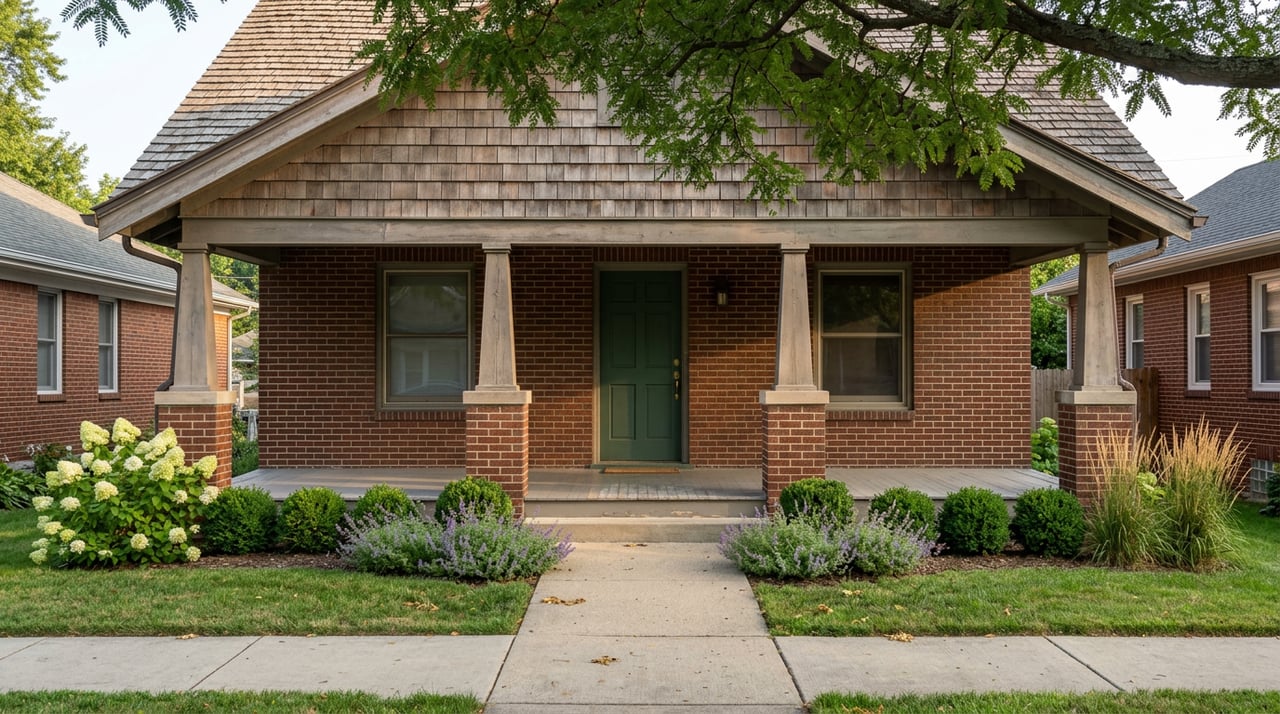
Three years ago, a Sunday on South Pearl Street meant showing up whenever you rolled out of bed, grabbing a coffee, and wandering the market until you got hungry. Today it means checking your phone before you leave the house, because the bakery line moves fast, the market closes at one, and the best brunch seat in the neighborhood might already be gone for the month.
That shift didn't happen because South Pearl Street tried to become a destination. It happened because three things that already belonged to the neighborhood got sharper at the same time: a market that's been building its vendor list for two decades, a nationally recognized baker who chose this block over a hotter one, and a chef with a Michelin star who picked South Pearl for the only Sunday brunch of its kind in the city. None of it required the street to add nightlife or chase foot traffic from outside the neighborhood. It just got better at being what it already was.
The baker who left RiNo
In early May 2026, James Beard-nominated baker Ismael de Sousa opened a permanent home for Reunion Bakery at 1240 S. Pearl St, after years spent running the concept out of a stall inside The Source market hall in RiNo, where it first launched in 2018. The new space has an open kitchen so customers can watch the bread get made, a light-filled café with room for a handful of tables, and a menu built around the Portuguese traditions his family carried from Caracas, Venezuela.
What makes the move worth noticing isn't the address. It's the reason de Sousa gave for it. He told the Denver Gazette that South Pearl Street "feels more like a community" than RiNo, a neighborhood that has spent the last decade becoming Denver's most talked-about food district. A baker with the kind of credibility that could support an expansion into any hot corridor in the city instead planted a flag on a residential retail strip that most of Denver still associates with a farmers market and a handful of longtime restaurants. That's not a story about a new bakery. It's a signal about what this street offers that a trendier one doesn't.
The market that made the street worth choosing
De Sousa's bakery didn't arrive in a vacuum. The South Pearl Street Farmers Market has been running every Sunday from 9 a.m. to 1 p.m., May through early November, since 2001, and this year's run spans May 3 through November 8. Managed by Jarman and Co Events, the market now draws more than 170 vendors across the 1400 and 1500 blocks of South Pearl, between Iowa and Arkansas, with a rule that keeps it distinct from markets that lean on out-of-state distributors: everything sold has to be grown, raised, produced, or gathered in Colorado, or in a bordering state if the market decides the product is worth an exception.
Reunion Bakery is a regular vendor there too, so on Sundays when the café line gets long, the same pastries show up at the market tent. The vendor roster reads like a cross-section of the local food economy that's built up around this corridor over years, not months: Legacy Pie, Queen City Collective Coffee, Pappardelle's Pasta, Mile High Fungi, and dozens of others who've earned repeat spots through what the market describes as a selection process weighing product quality, sourcing, and seniority. That kind of continuity is why the market functions less like a seasonal event and more like the neighborhood's actual grocery store one day a week.
One seat, once a month
A few doors down, in the same building as the sushi restaurant Kizaki, sits Margot, the restaurant chef Justin Fulton opened after three years of pop-ups around the city. Fulton grew up in Keystone, worked a Subway counter as a teenager, and now holds the distinction of running what local dining coverage has called Denver's only Michelin-starred restaurant that serves Sunday brunch. His Chef's Counter tasting menu runs twelve courses and seats just eight guests at a time, and reservations for it are released at noon on the 11th of every month, not on a rolling basis, not first-come-first-served the week of.
That release schedule is the kind of detail that separates a resident from a visitor. Someone driving in for a nice meal might not know to set a reminder. Someone who lives four blocks away and has already missed the window twice will have it memorized by now.
The new math of a Sunday
Put the three together and you get a corridor where a single Sunday morning now has real logistics attached to it, something that wasn't true when the market was the only draw.
| Stop | Timing | What happens if you're late |
|---|---|---|
| South Pearl Street Farmers Market | Sundays, 9 a.m. to 1 p.m., May 3 to Nov 8 | Vendors sell out of peak items and pastries before close |
| Reunion Bakery | Daily, café hours | Bread and Portuguese pastries move fast on weekend mornings |
| Margot Chef's Counter | Reservations release at noon on the 11th of each month | The eight seats for that month are gone |
Each has its own timing to keep track of. But together they mean a resident who wants the full version of a South Pearl Street Sunday, market produce, a bakery stop, and eventually a seat at Margot, has to think about it more like a small itinerary than a stroll. That's a real change from a street that used to reward spontaneity.
What this means if you live here
The interesting part isn't that South Pearl Street got better restaurants. Plenty of Denver corridors have added bigger patios, later hours, more turnover, and more crowds from outside the neighborhood. South Pearl Street has followed a different path, with its appeal rooted in neighborhood character and intimate scale rather than a push for more volume.
The result is a stretch of South Pearl, running through the retail spine that Wash Park and Platt Park residents share, that has gotten harder to access casually and, at the same time, more worth planning around. If you've lived near this corridor for years, that's probably the most useful thing to know this season: the version of South Pearl Street you remember from five years ago is still recognizable, but treating it the old way now means missing the parts that made national food writers start paying attention in the first place.
If you're weighing whether your current place still fits how you actually use the neighborhood, that's a different conversation, and one Stephen LaPorta has with Wash Park residents regularly. Whether you're thinking about more space, less upkeep, or just want to know what your home is worth in a market where blocks like this one keep adding value, reach out for a Free Home Valuation and get a read on where things actually stand.